Tag: Boat Work

  • Shore Life: Cleaning the Hull, Removing Sails, and Preparing for Winter

    Shore Life: Cleaning the Hull, Removing Sails, and Preparing for Winter

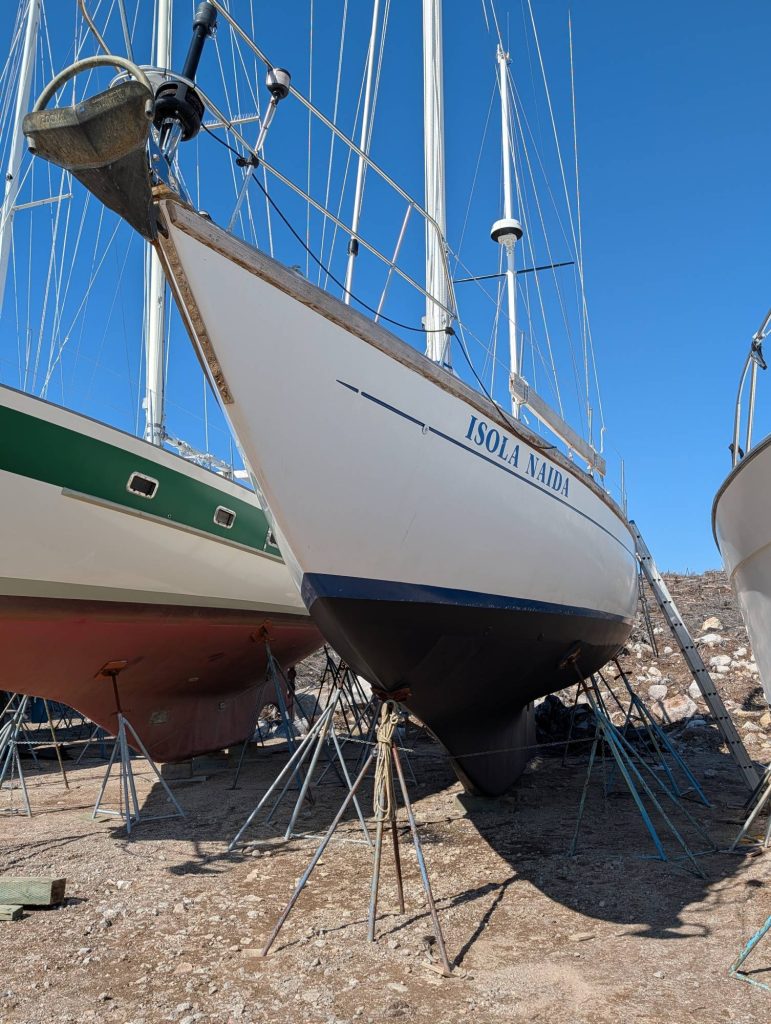
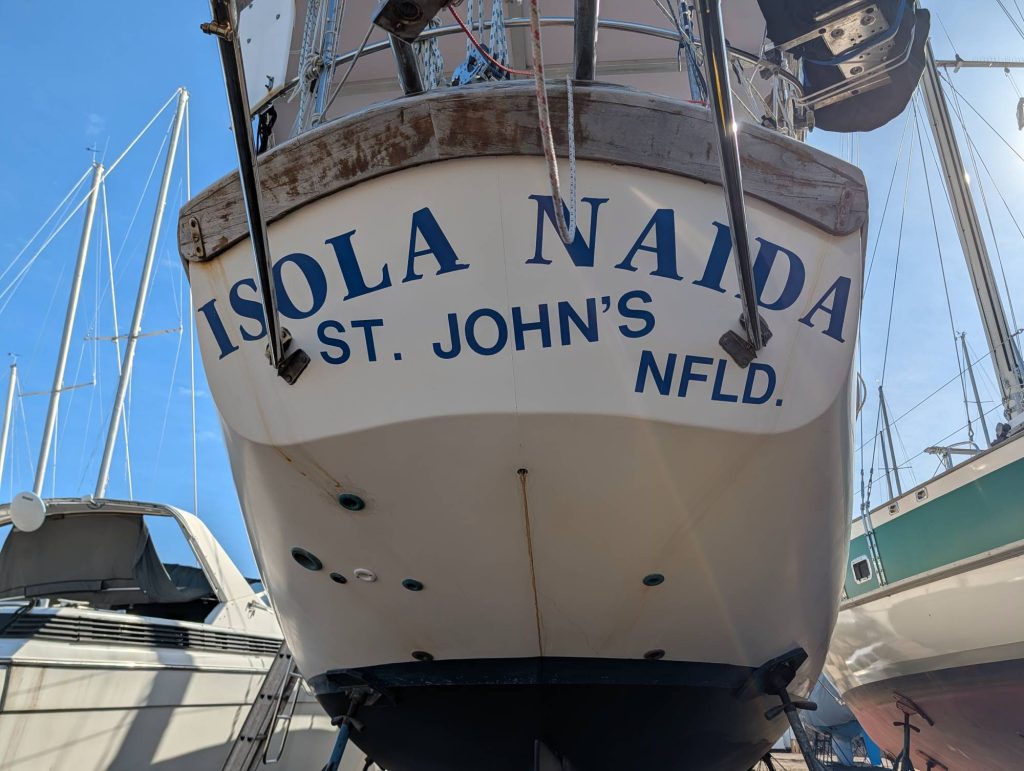
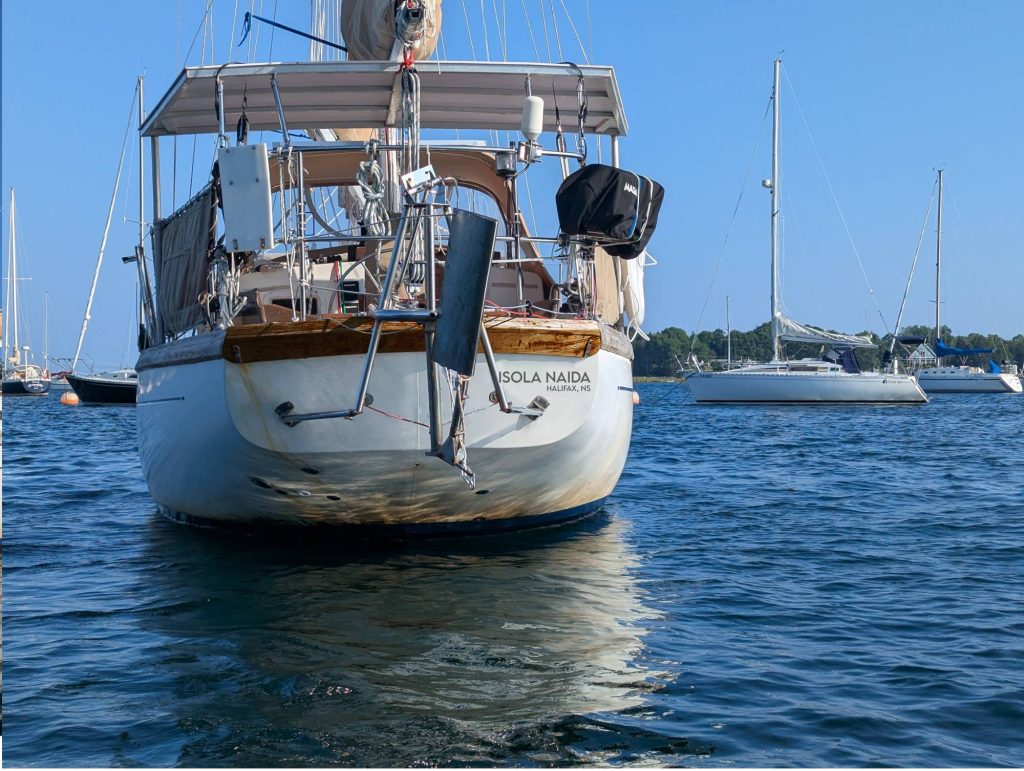
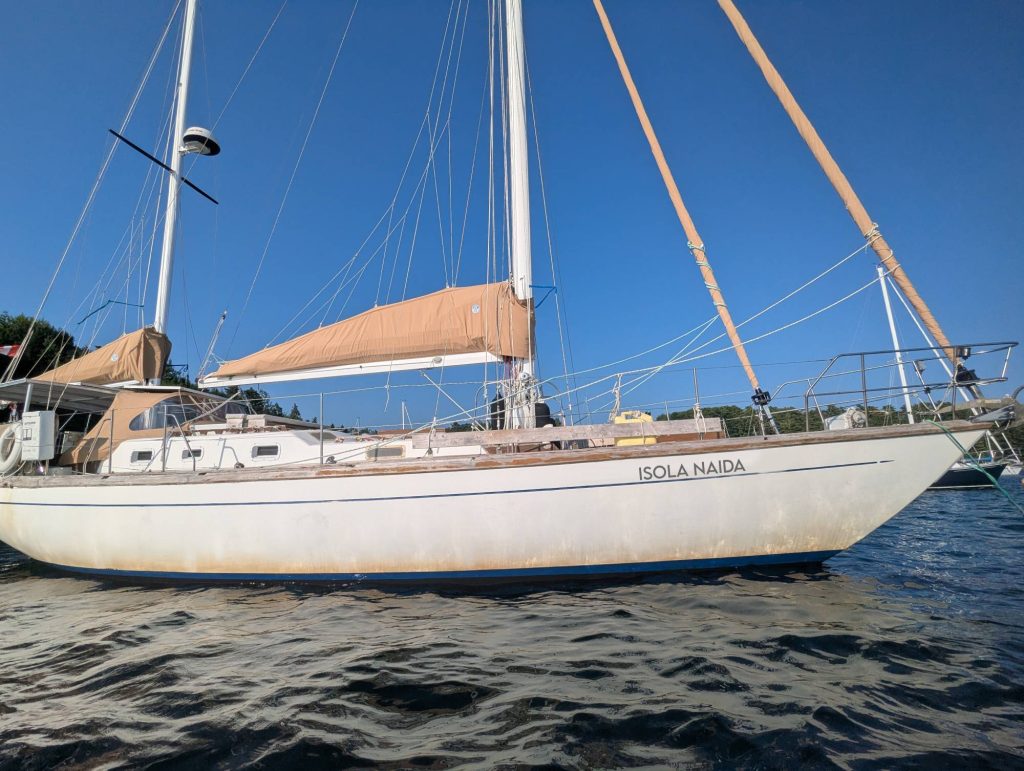
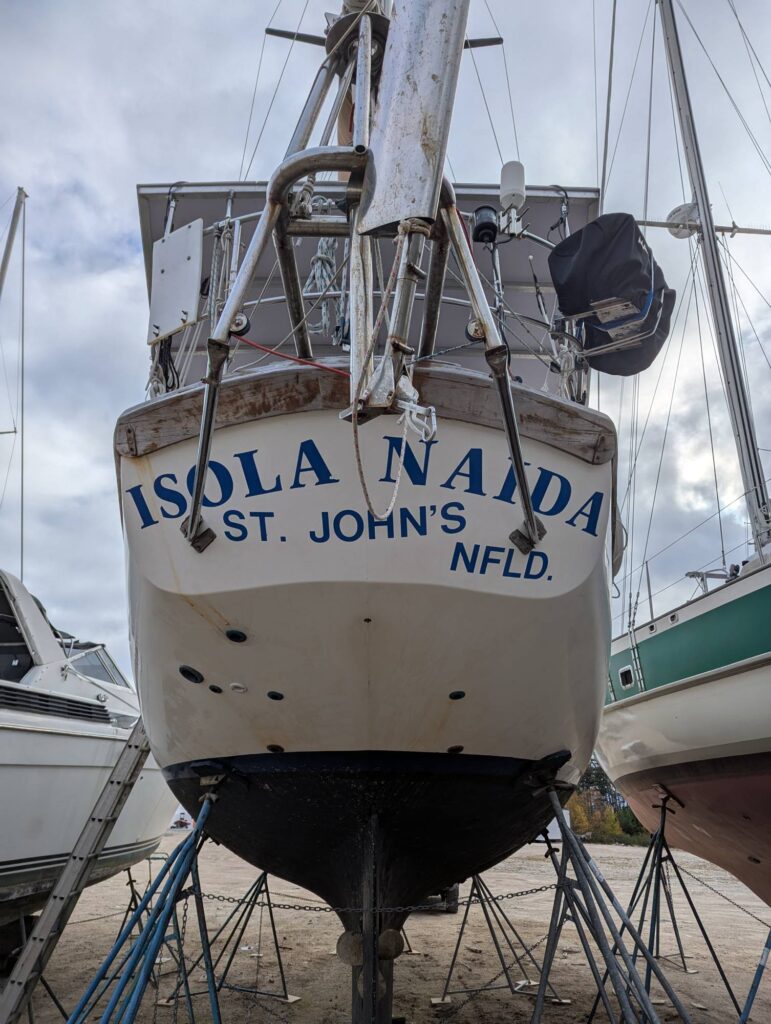
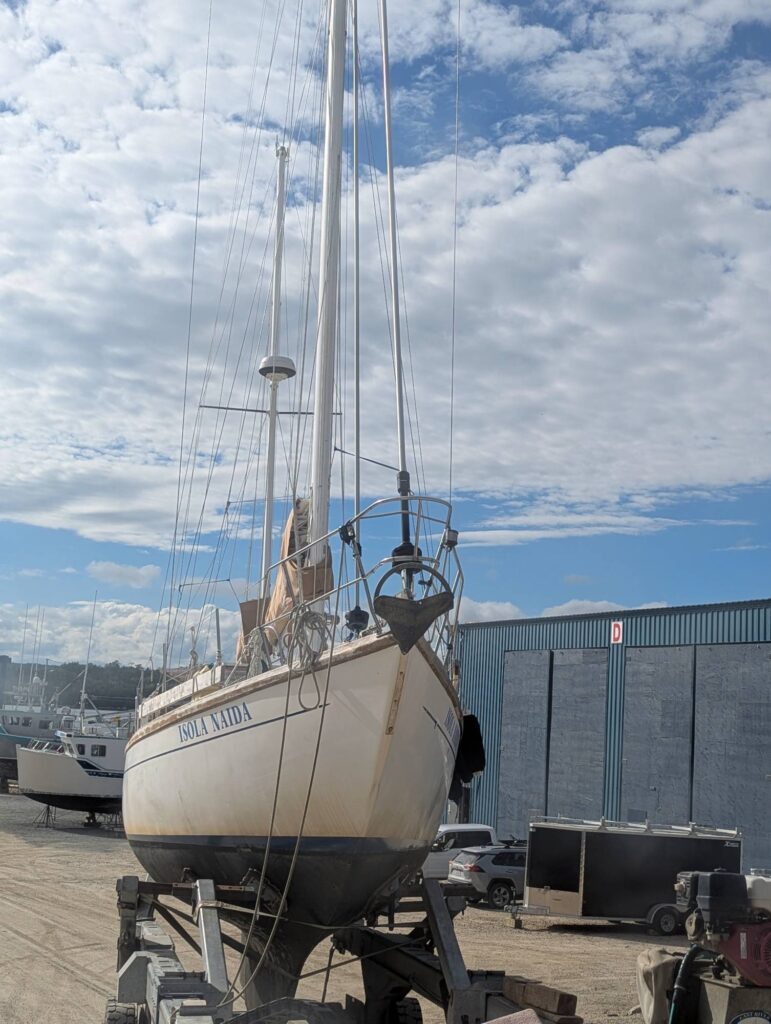
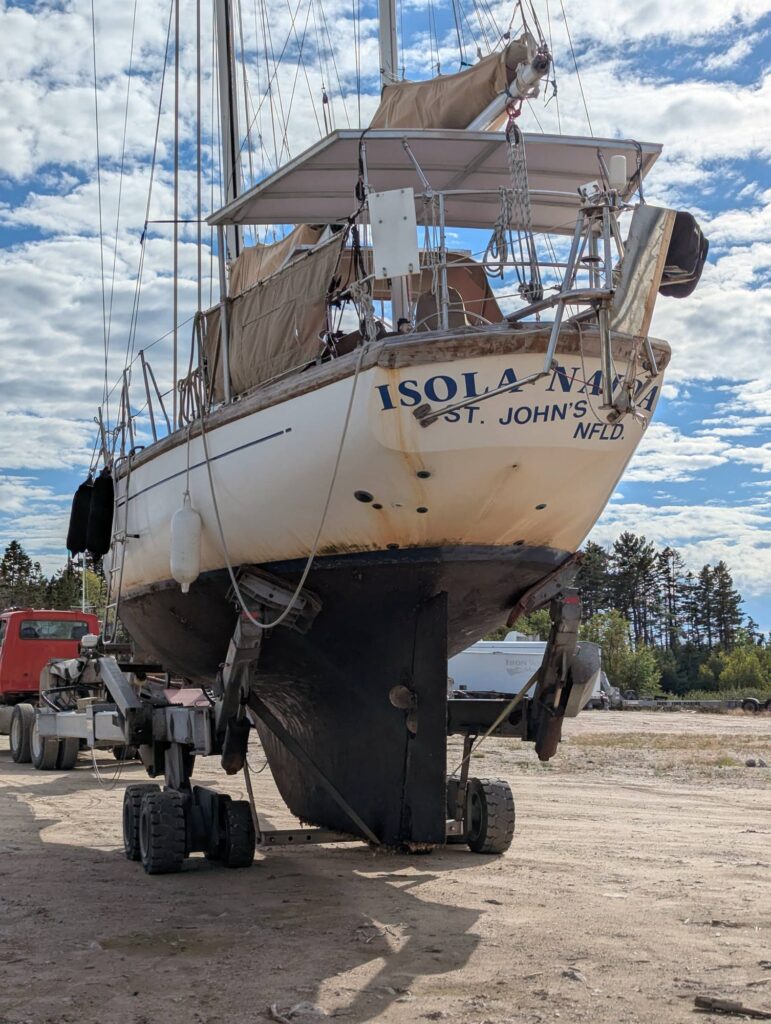
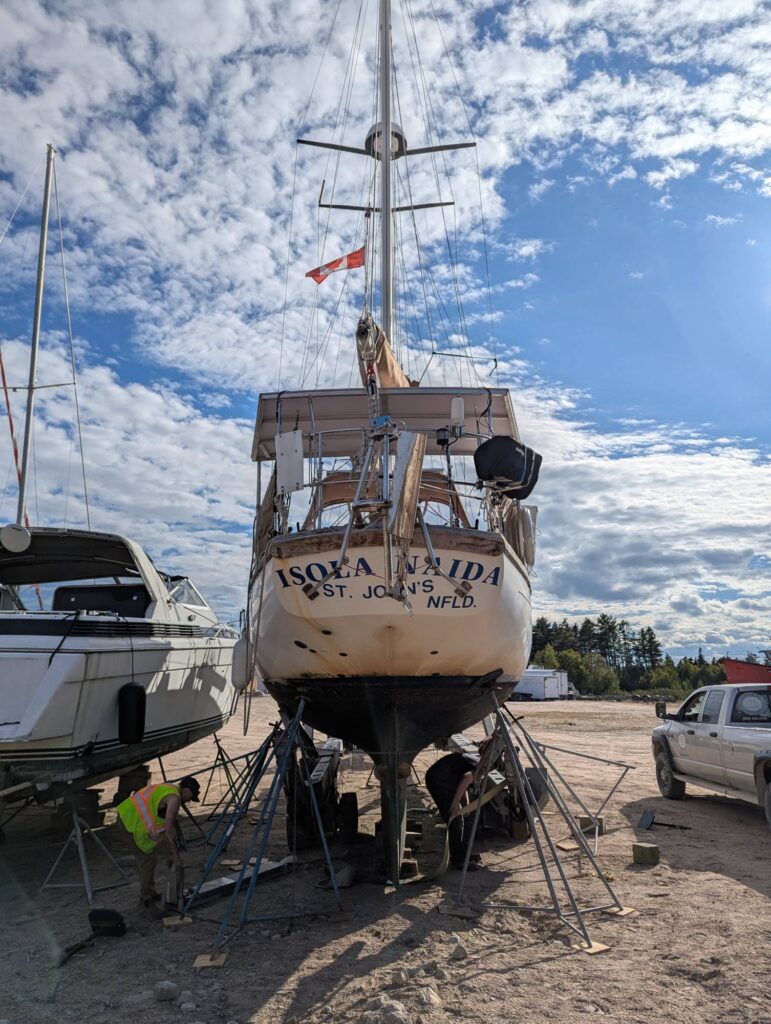
    The last two weeks have been busy here ashore, but work continues aboard Isola Naida as we prepare for the arrival of winter. We took advantage of the weather over the last two weekends to get more work done on the exterior of the boat. The calm conditions this past weekend provided the perfect opportunity to remove her sails and pack them away for the season. We also took some measurements and developed a plan to fabricate a reusable winter cover for Isola Naida which, we hope, we will serve us well for years to come.

    De-Staining the Hull

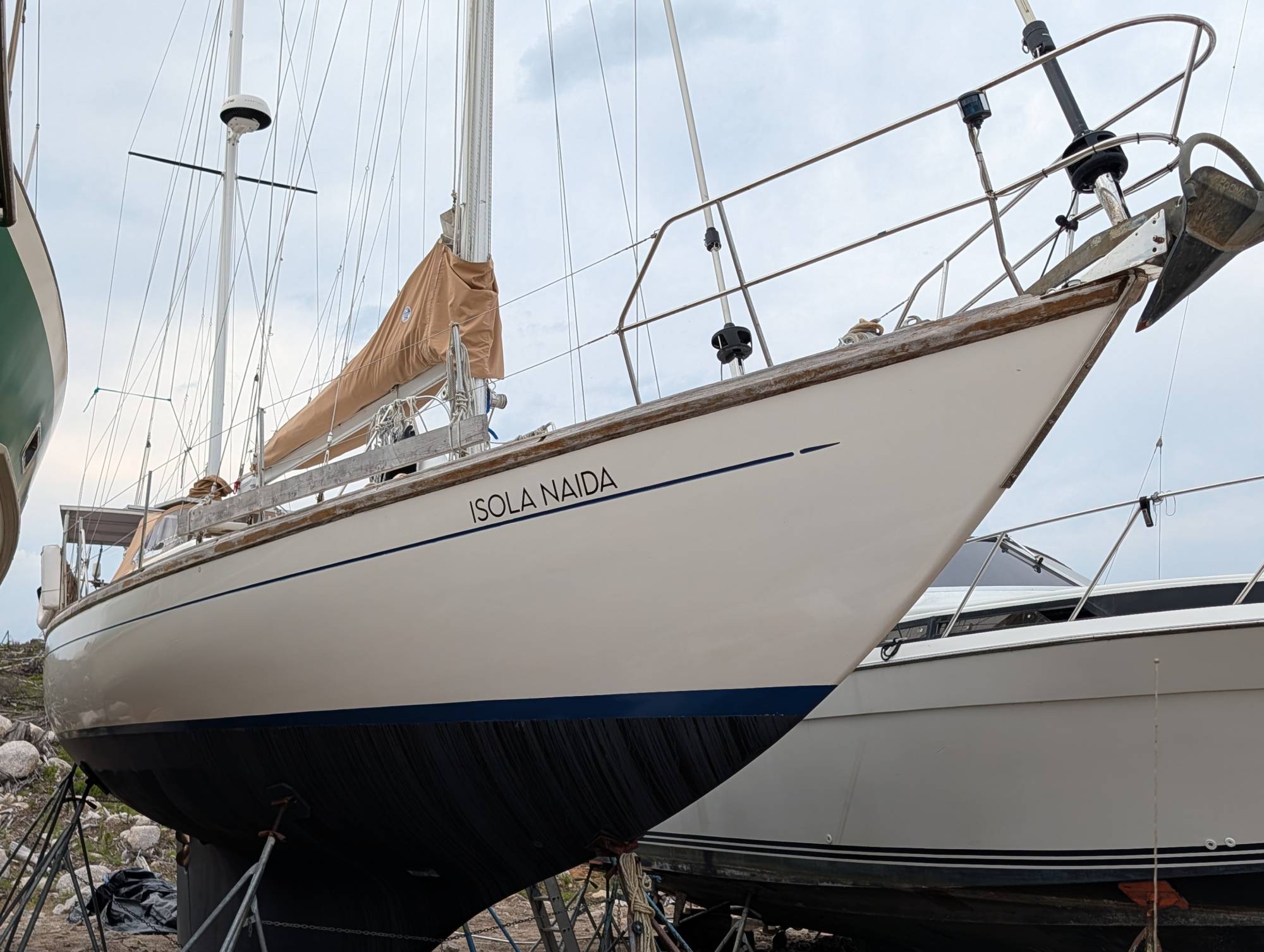
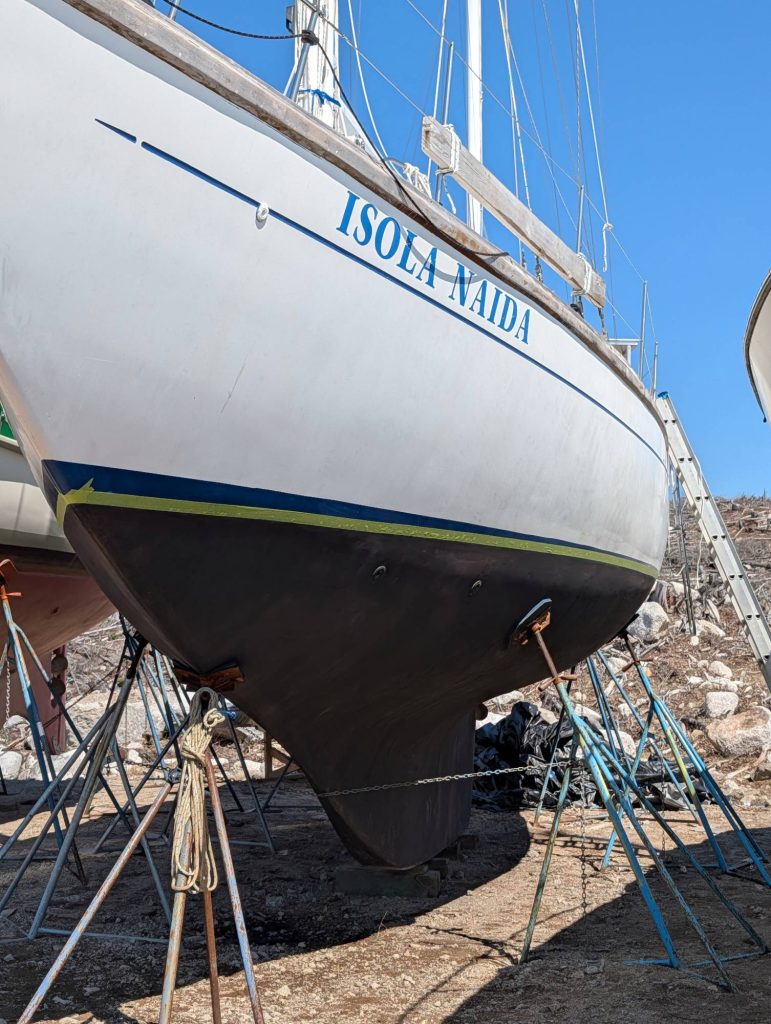
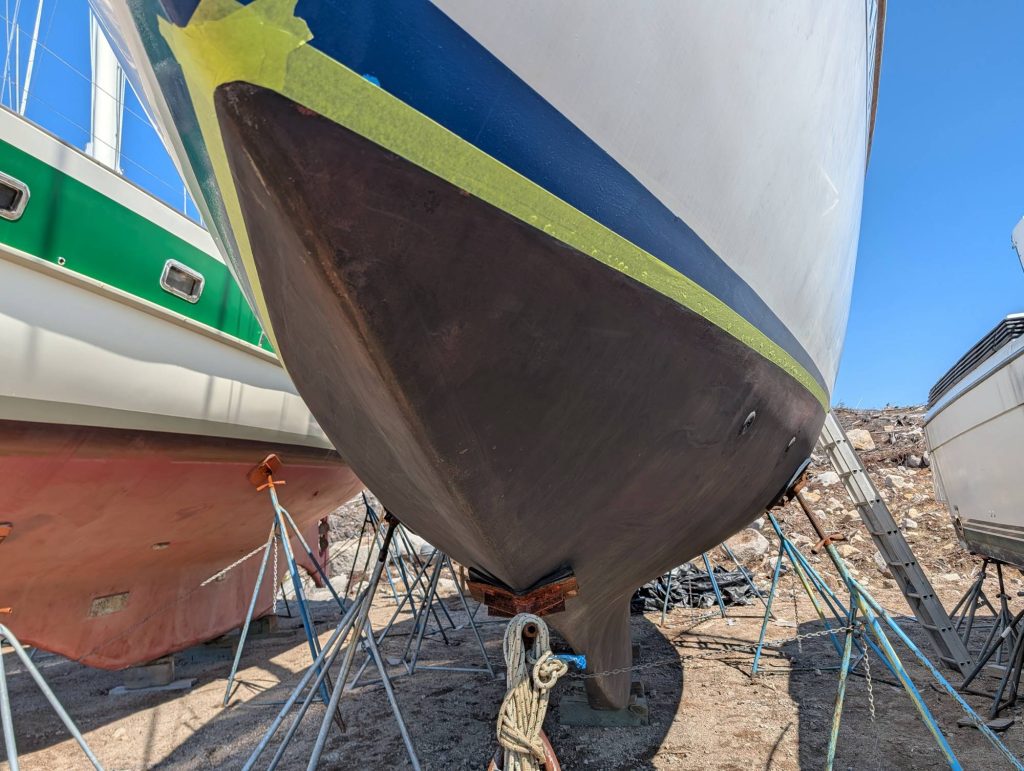
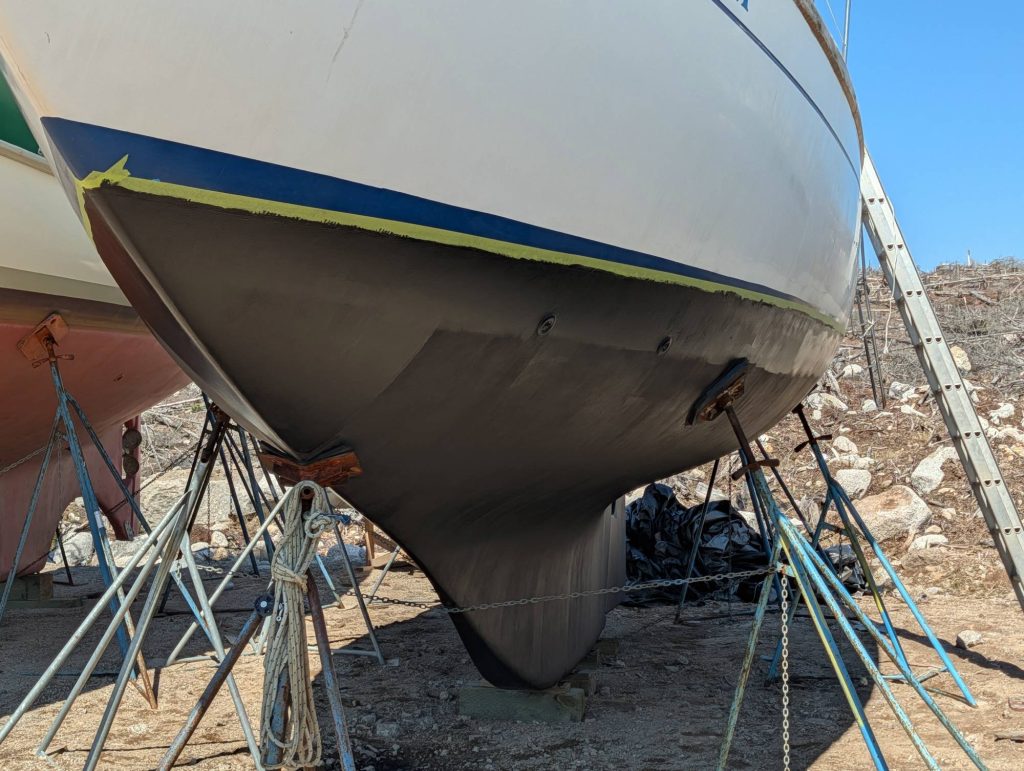
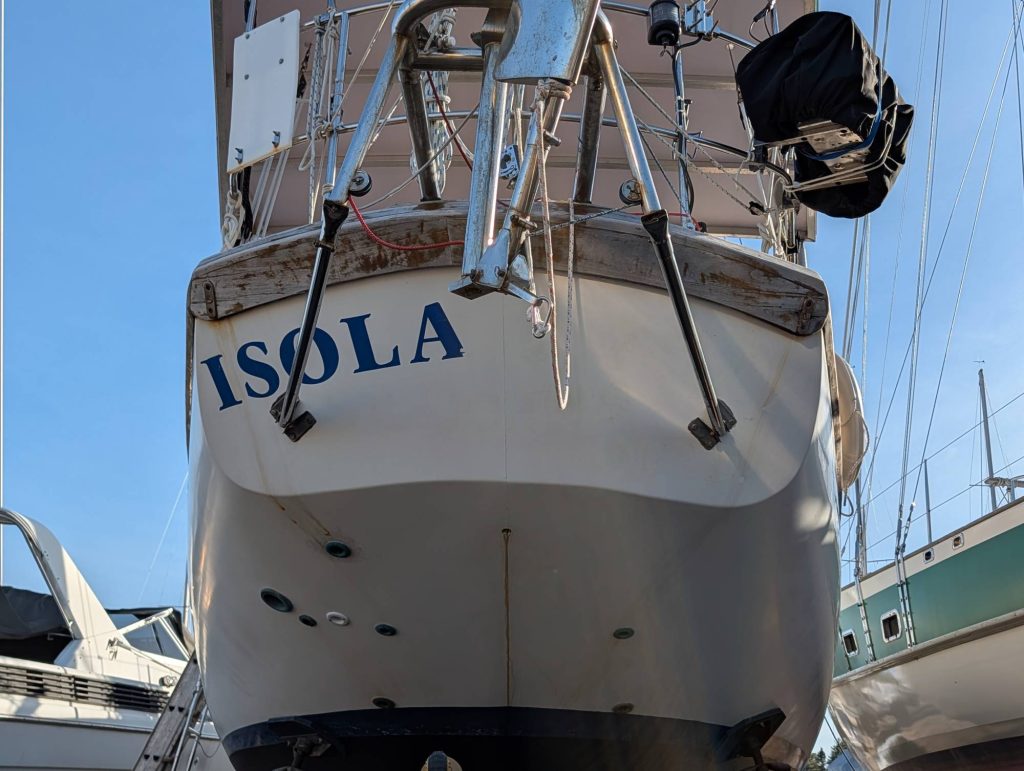
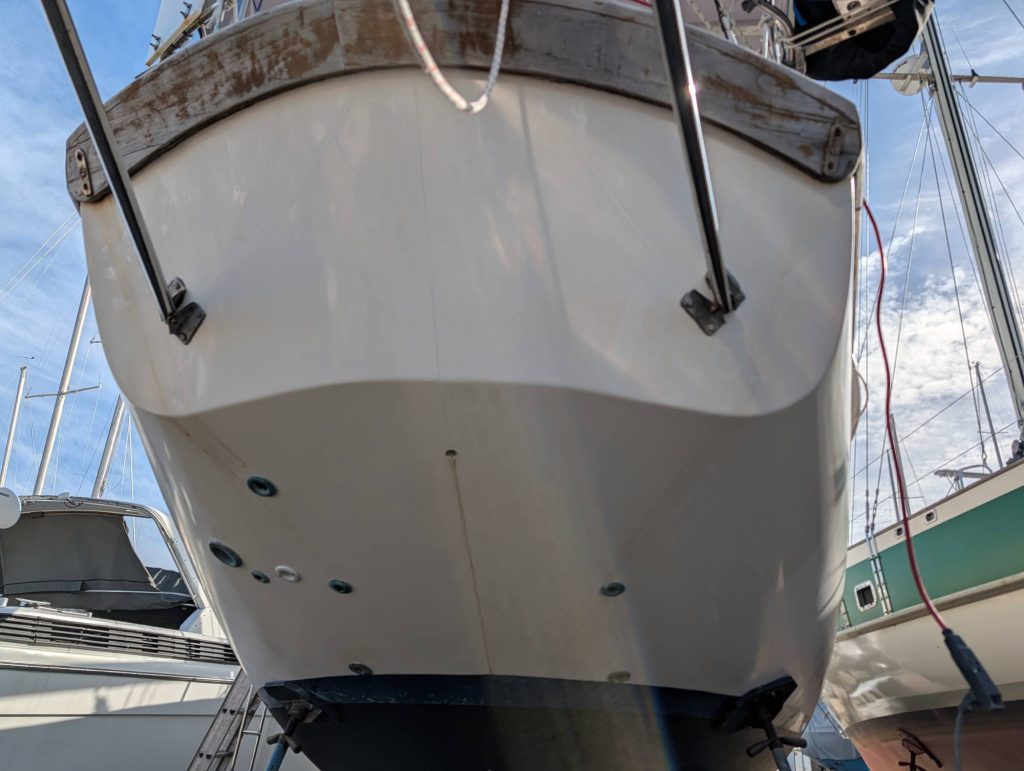
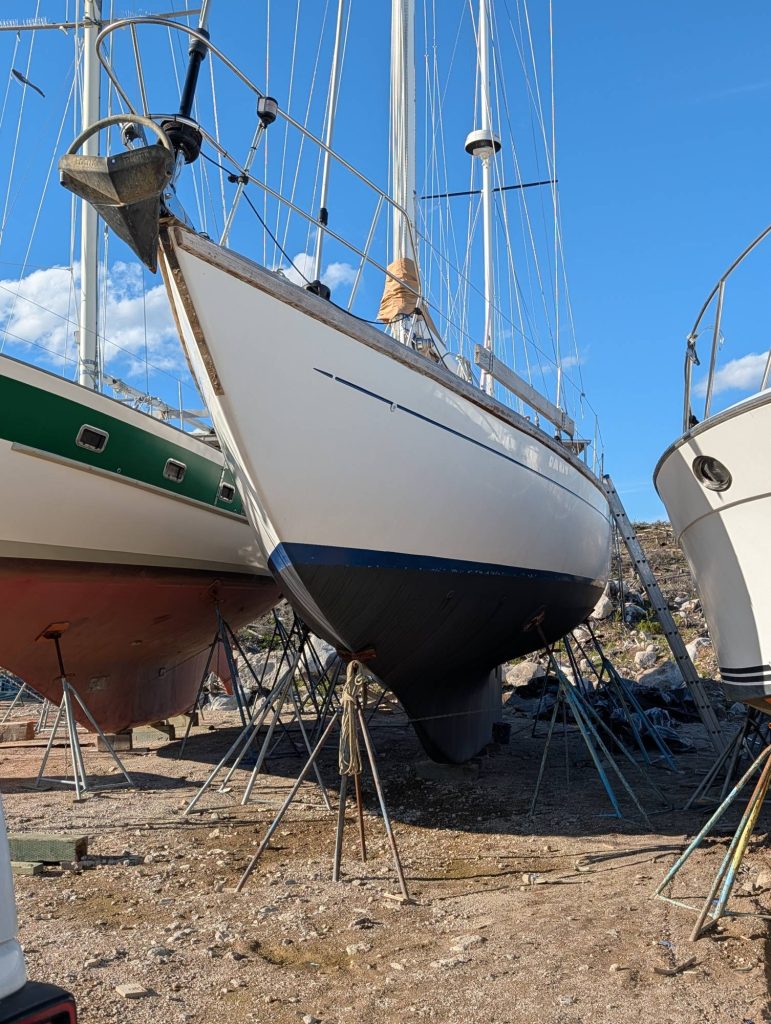
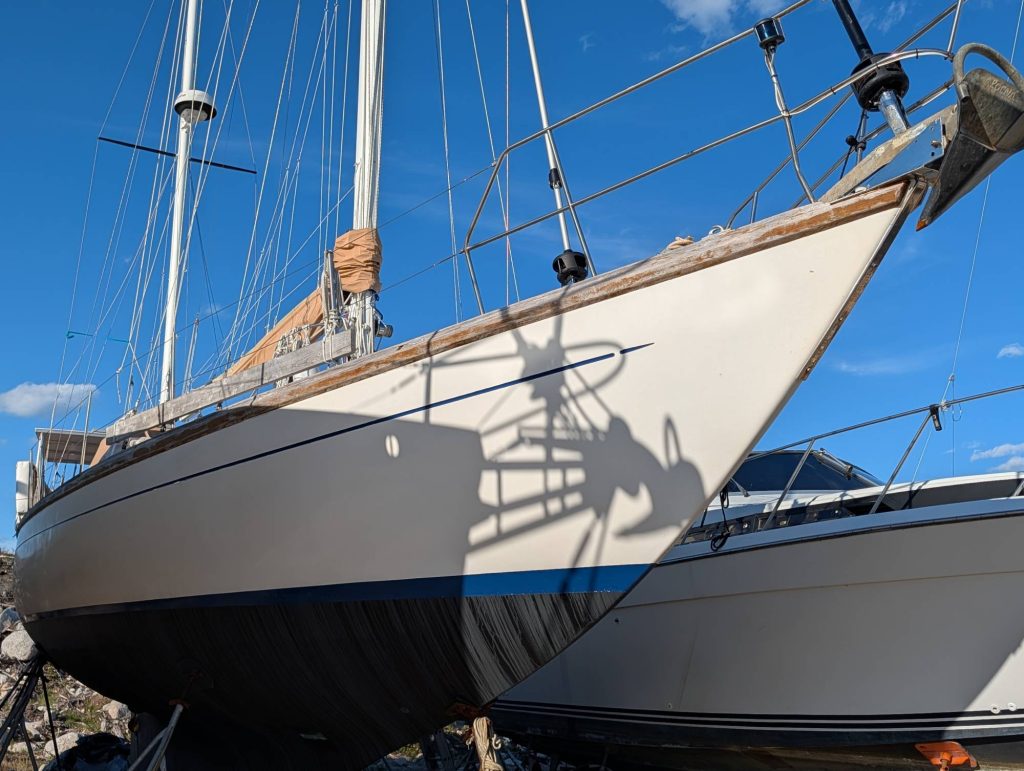
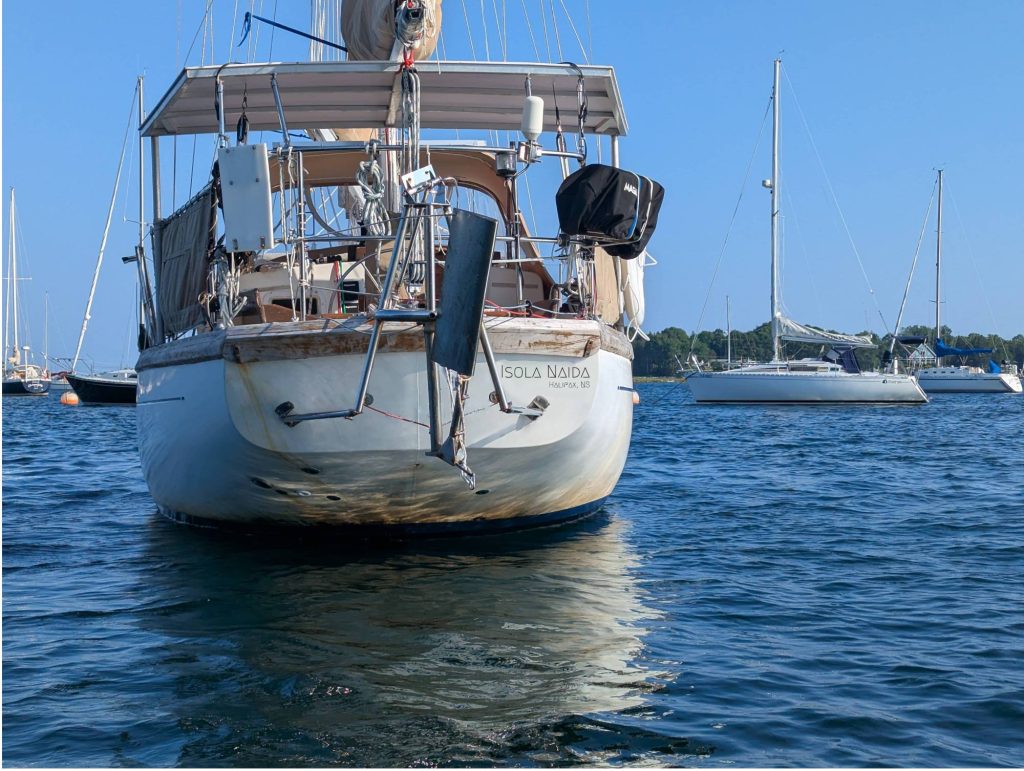
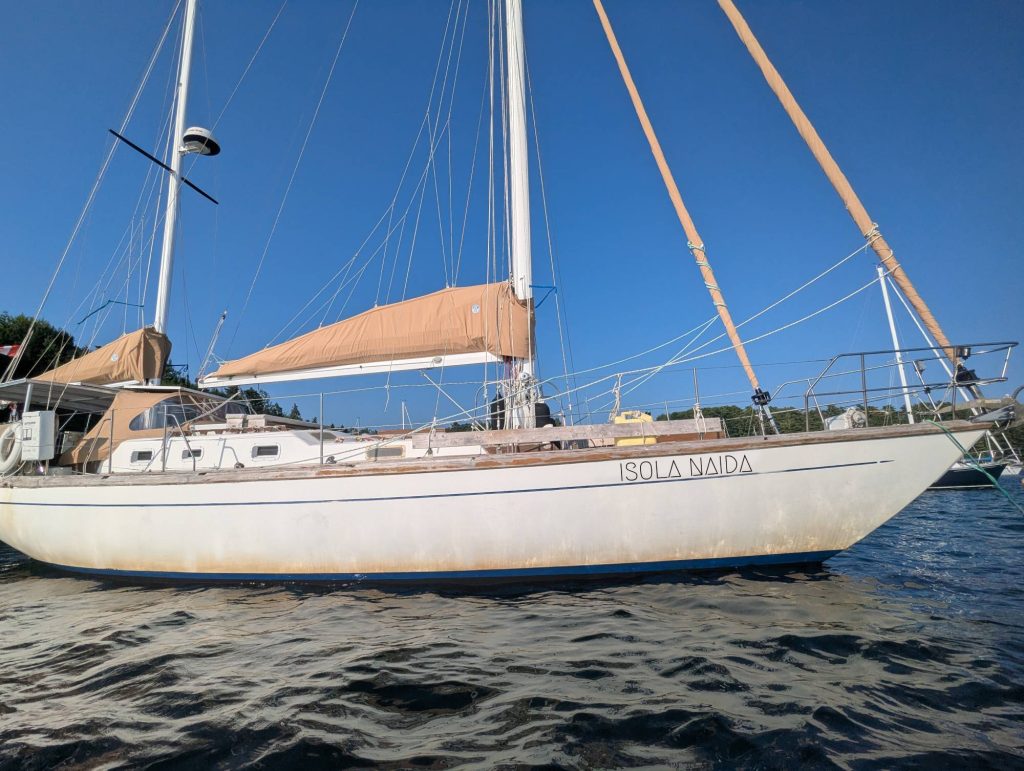
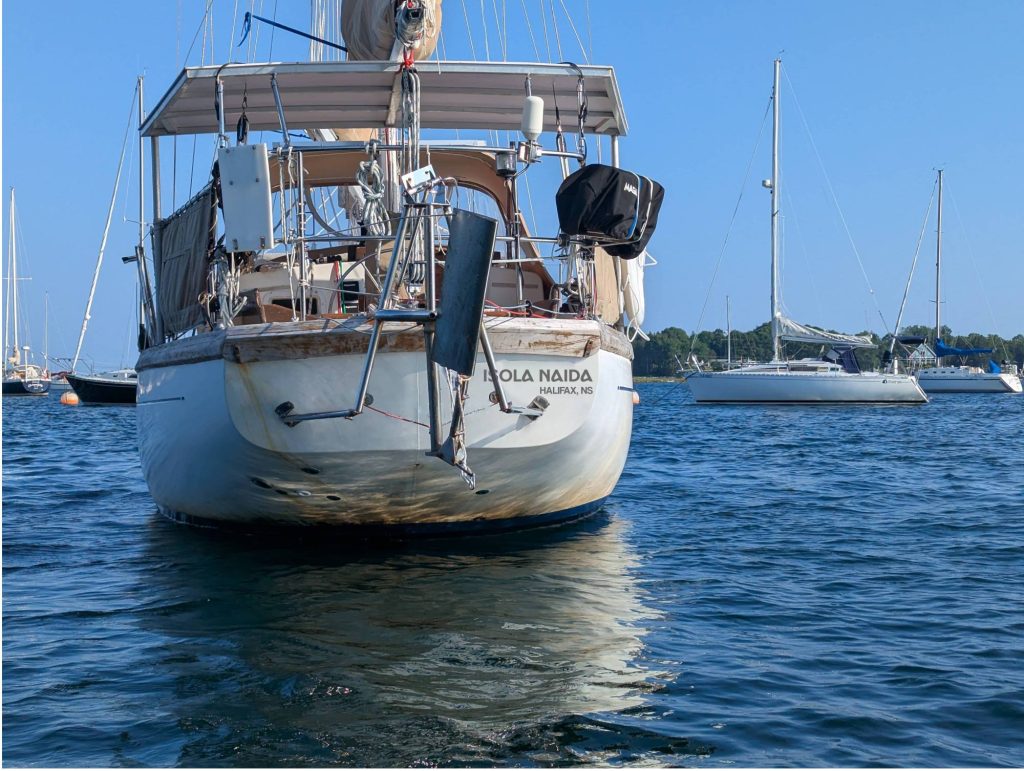
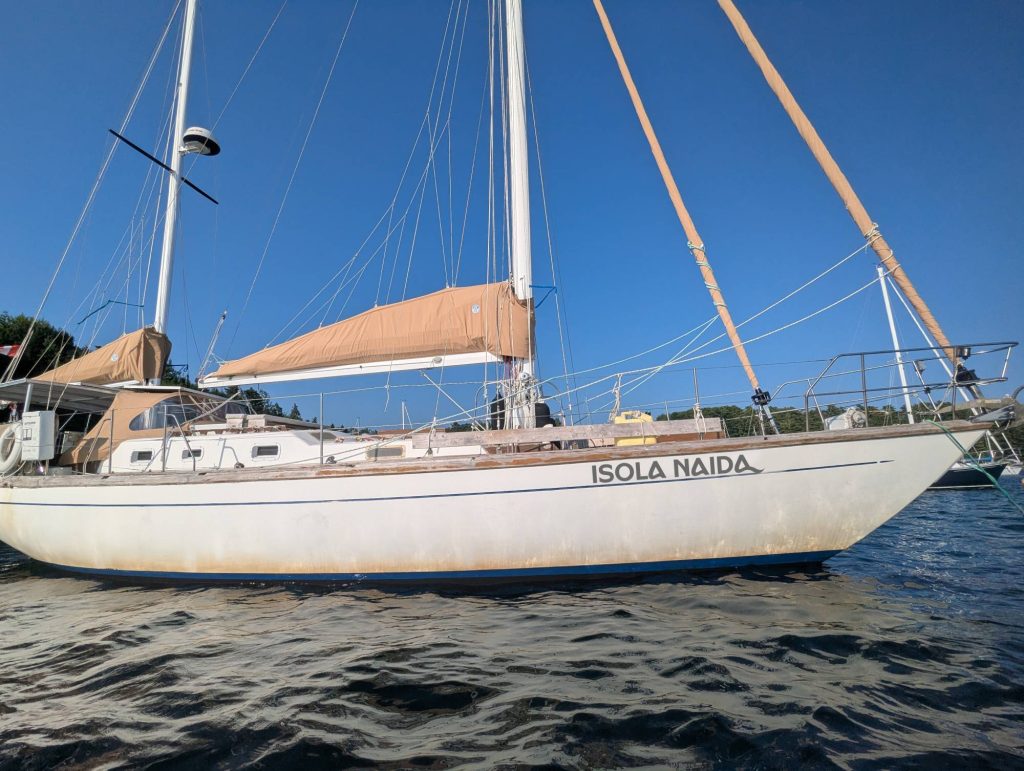
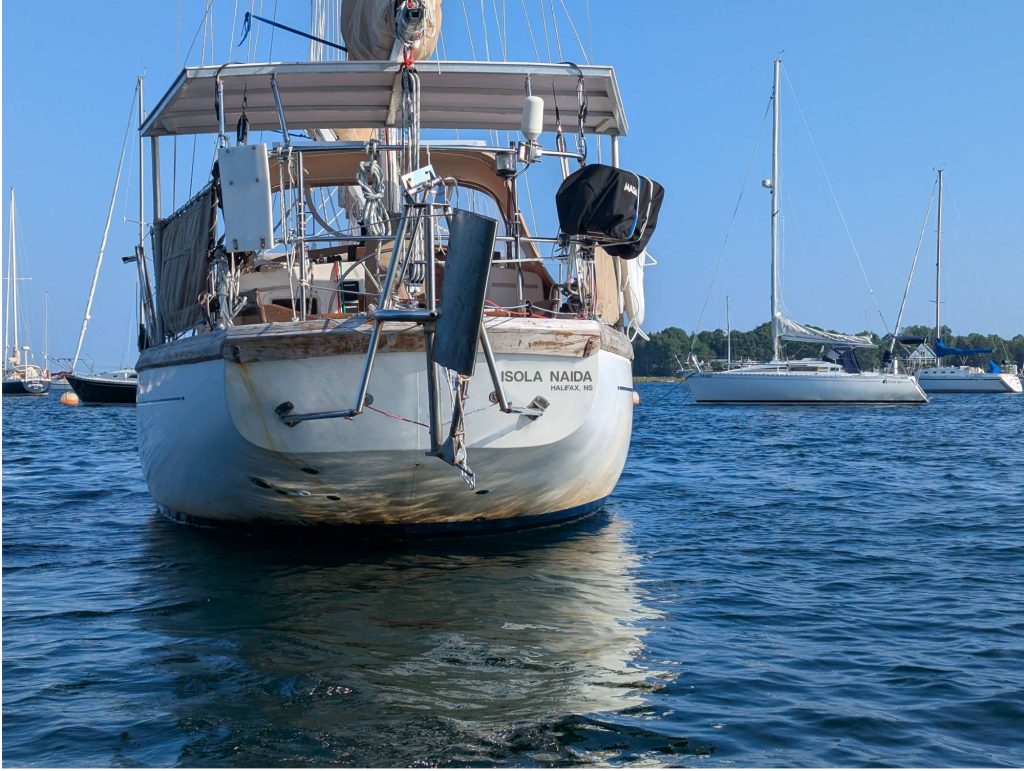
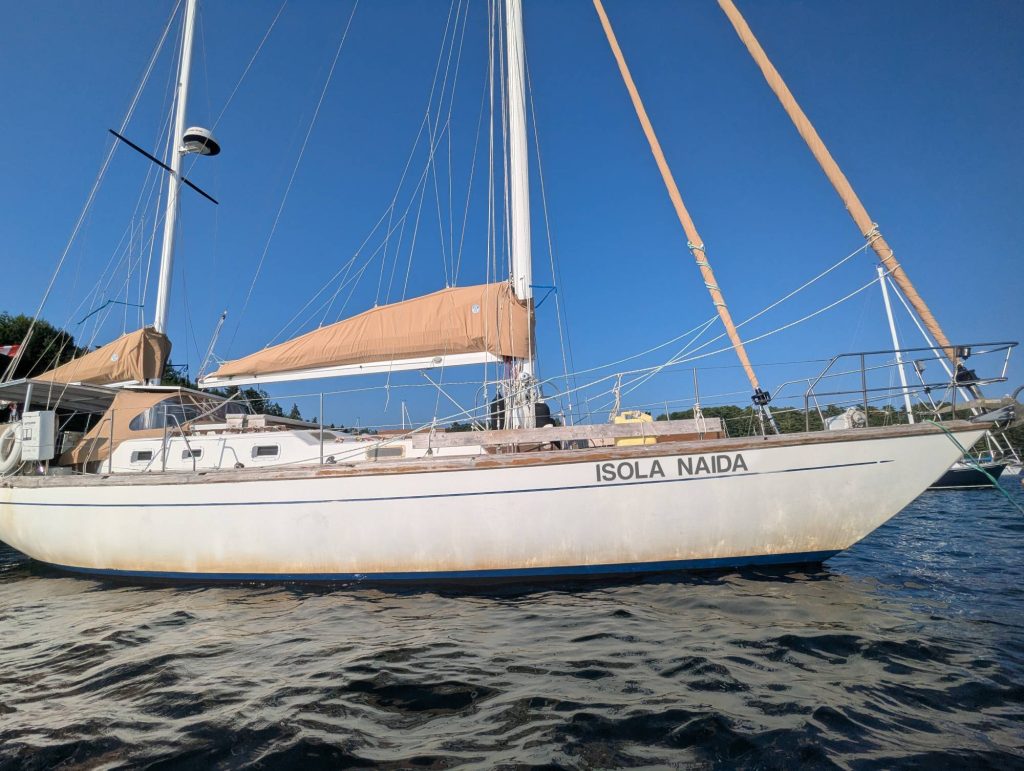
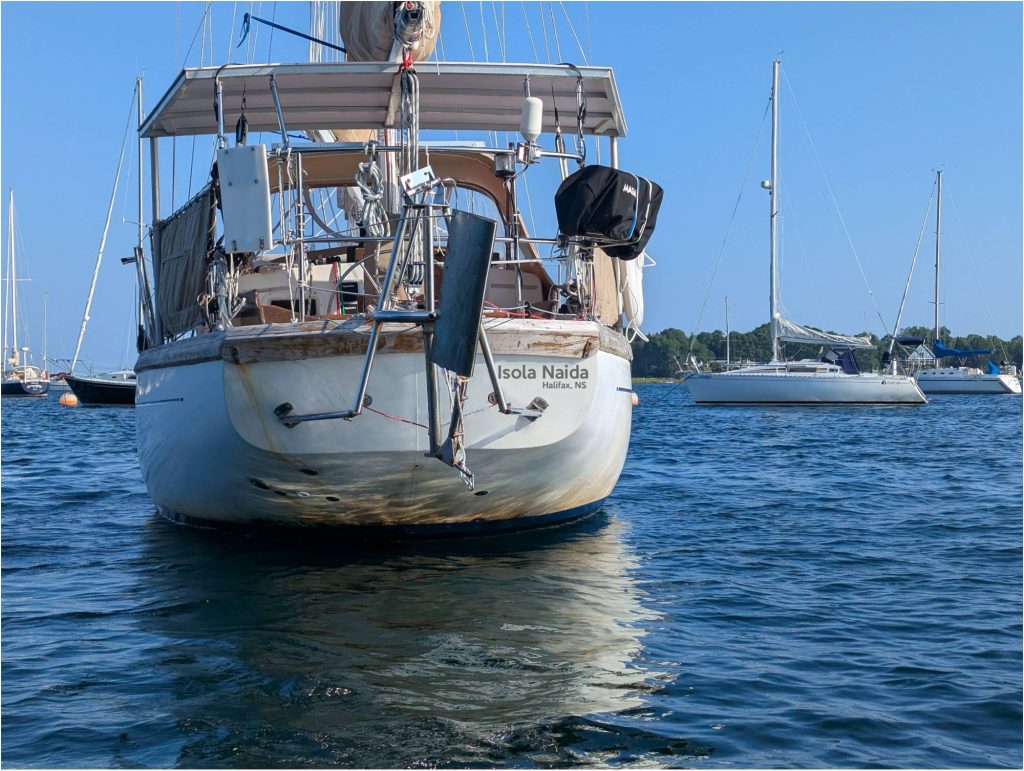
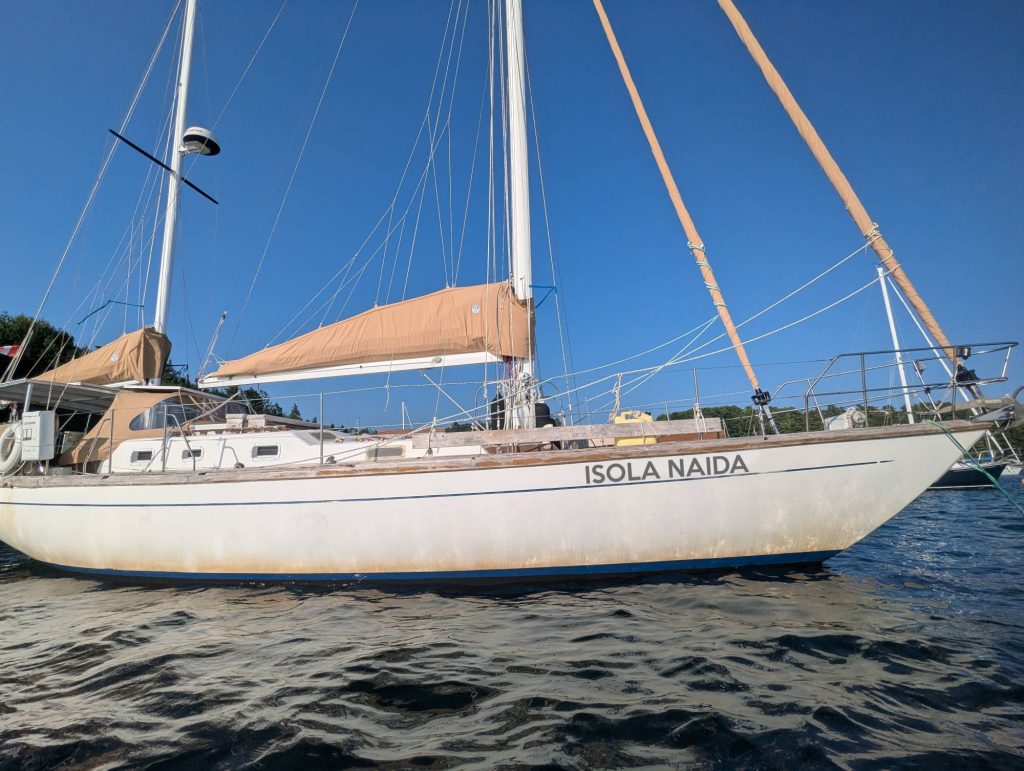
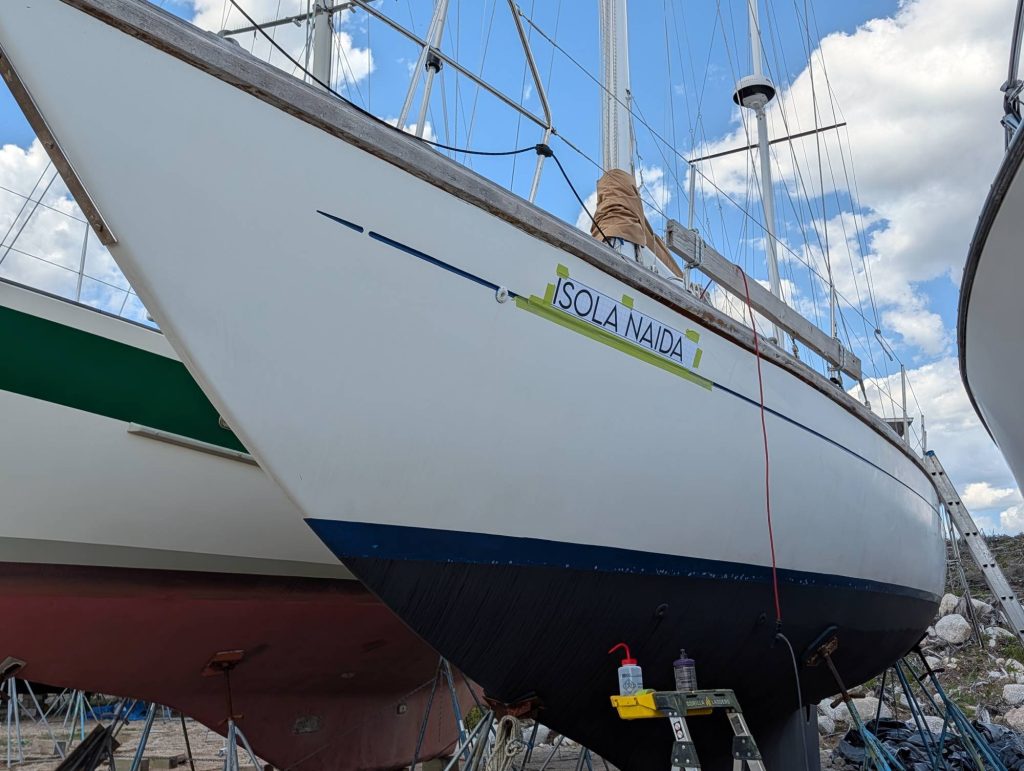
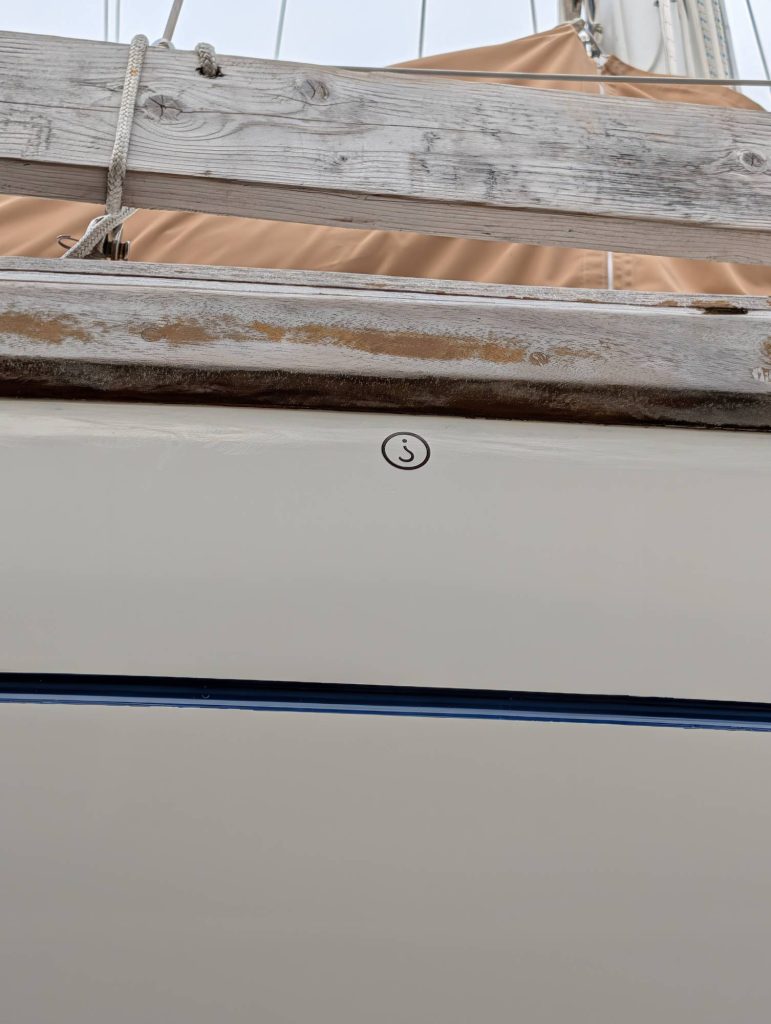
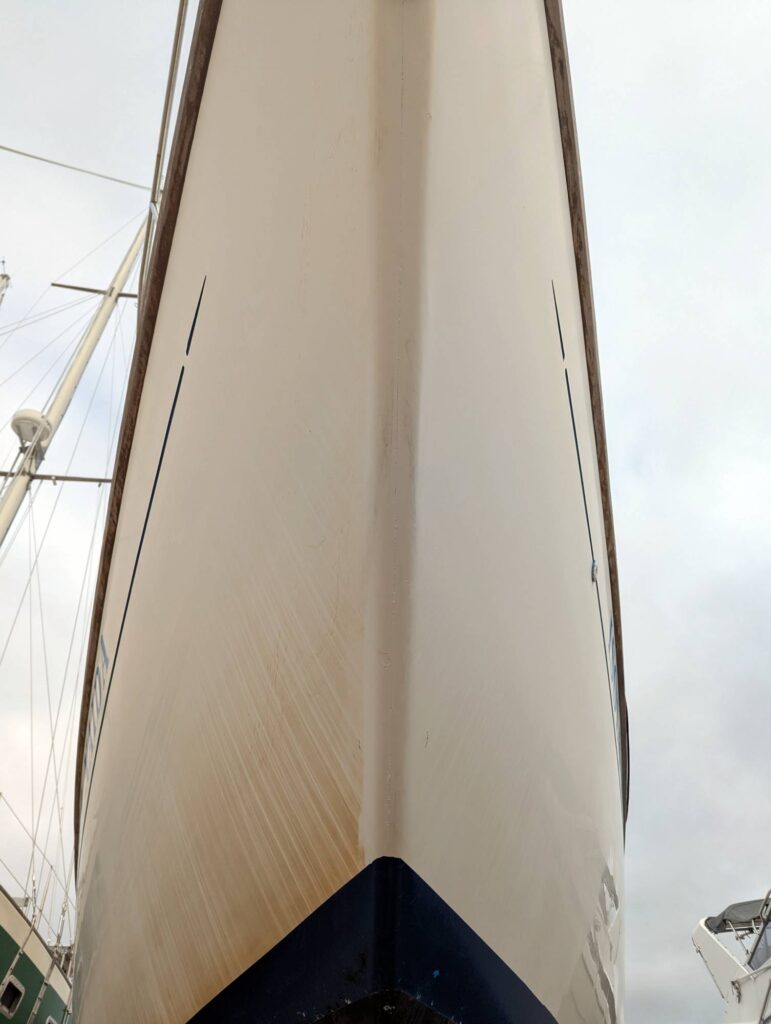
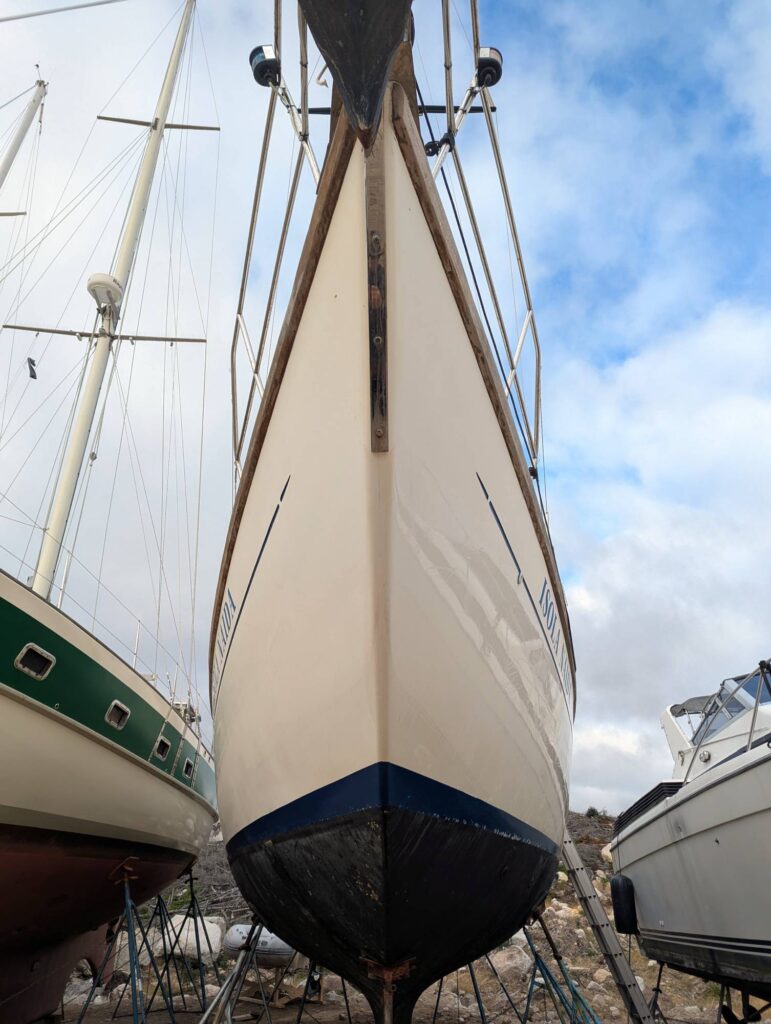
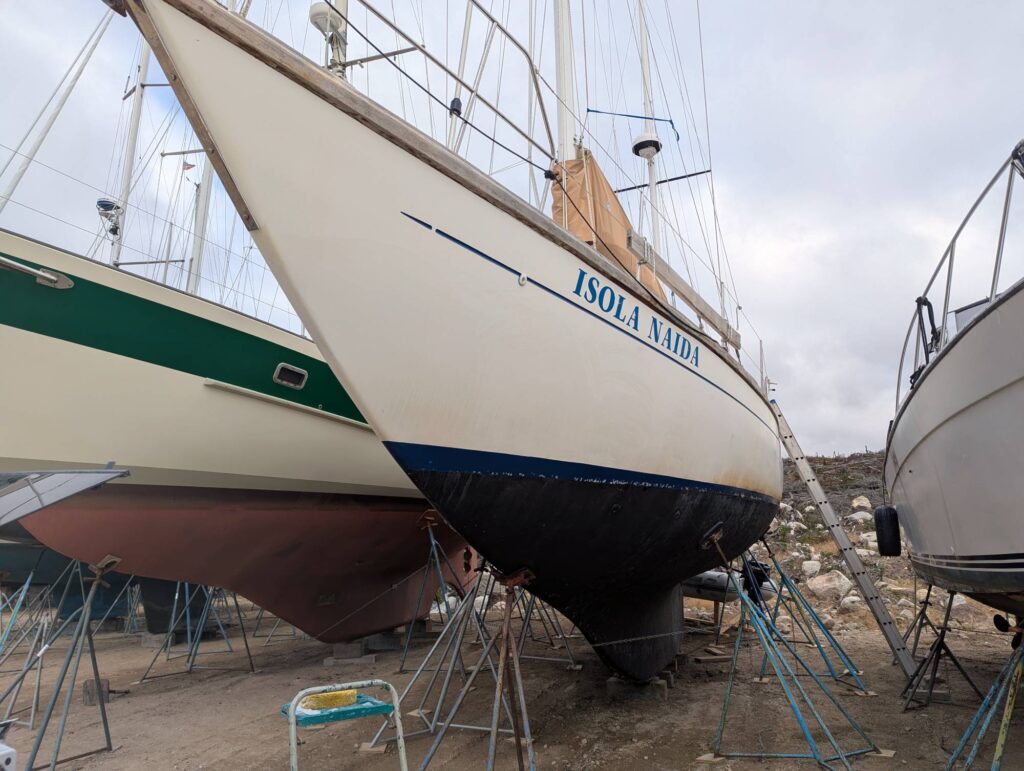
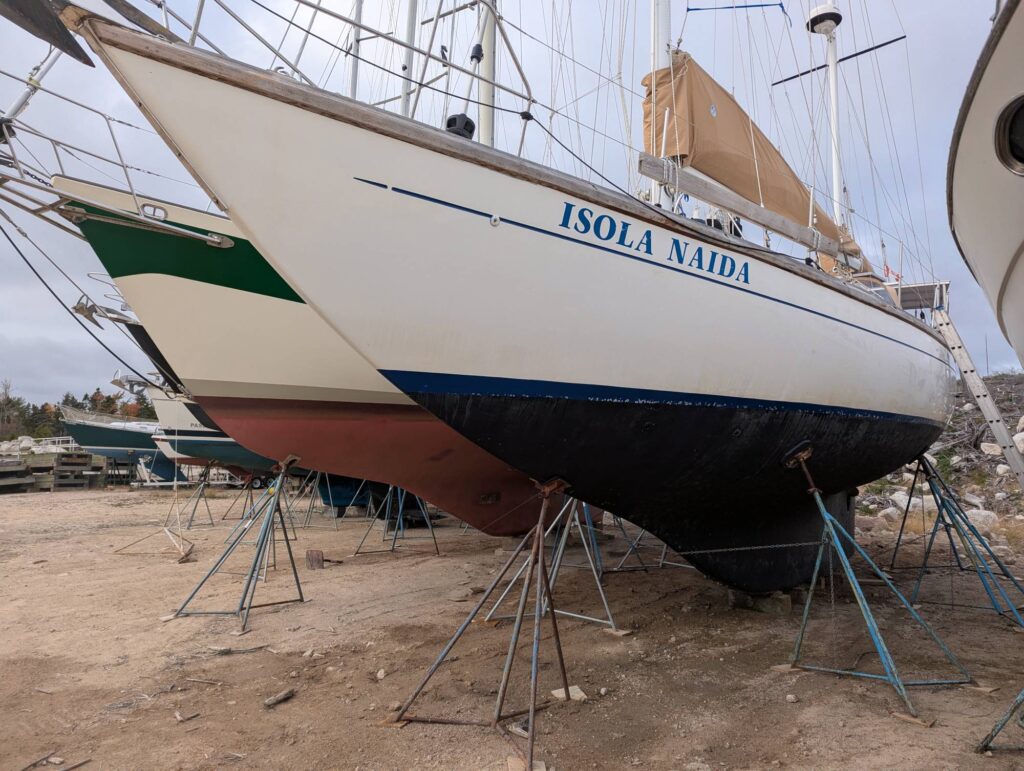
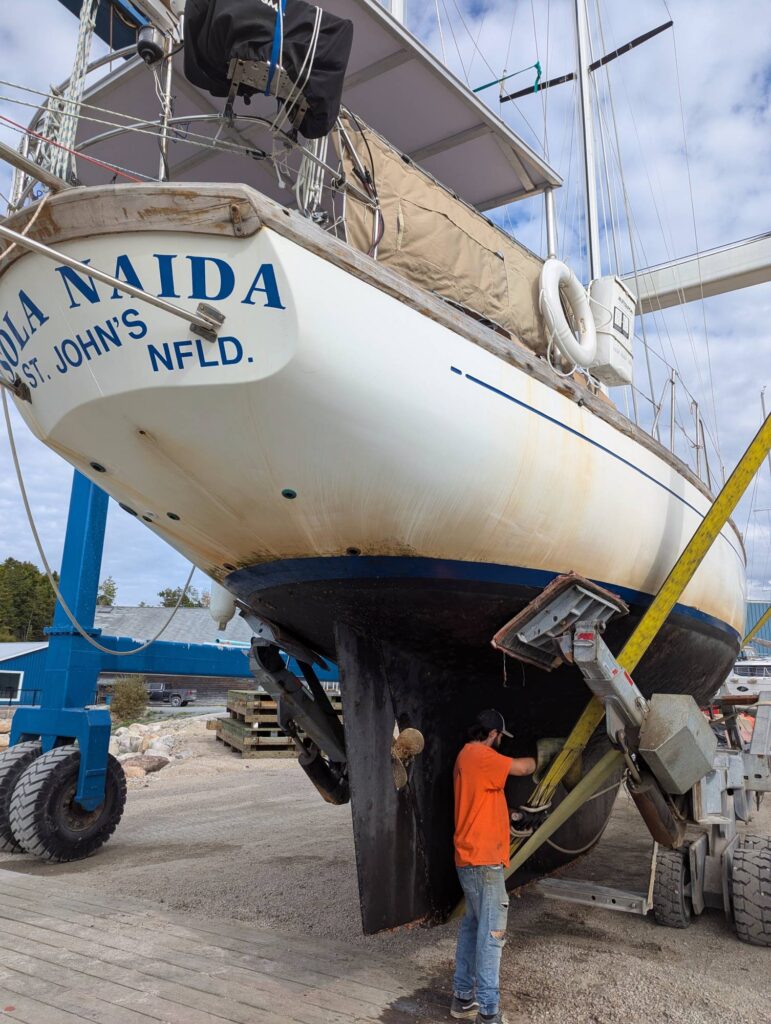
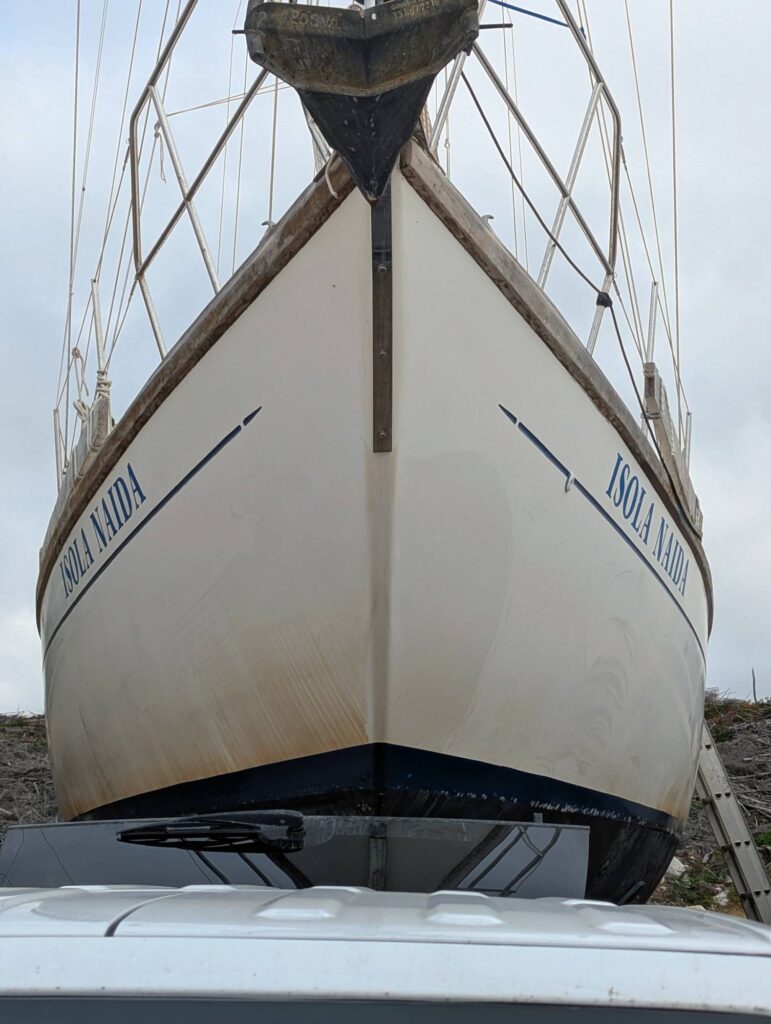
    On 18 October, D’Arcy took the day to get some work down aboard. As is often the case, the list of planned jobs proved to be more ambitious than time would allow. The weather was cool but dry, making it a good opportunity to tackle the staining around Isola Naida’s hull and give her a good cleaning.

    There are many hull-cleaning products on the market, all promising to remove stains without damaging the gelcoat. Having worked in the shipyard for some time, D’Arcy is familiar with CRC Marine’s On & Off, a muriatic acid–based cleaner that’s excellent for removing heavy staining and barnacles. Since Isola Naida’s hull wasn’t in terrible condition, and for reasons of cost and availability, we decided to try Marine Spray Nine Marine’s Boat Bottom, a phosphoric acid–based cleaner that’s gentler but still effective on general staining.

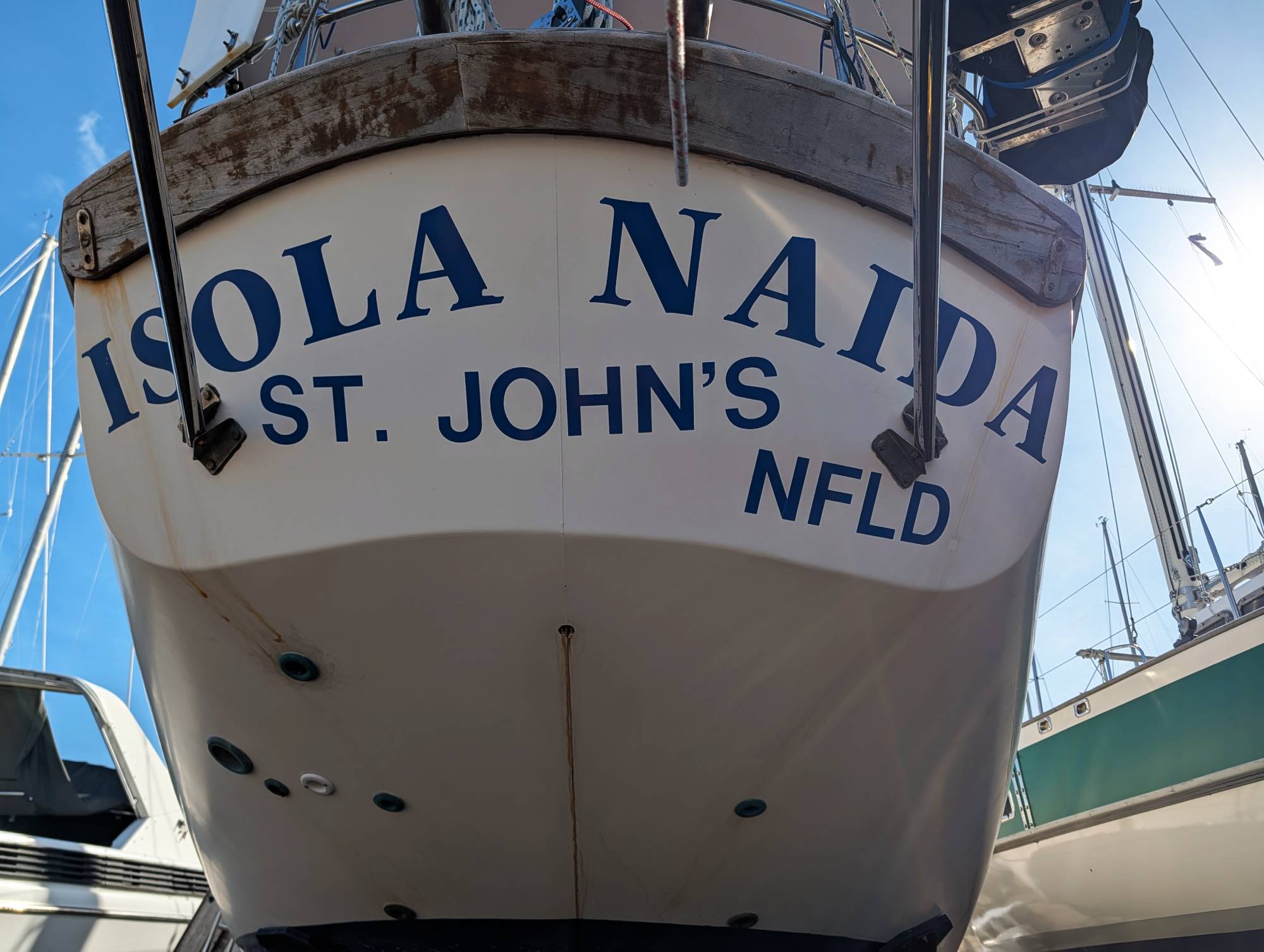
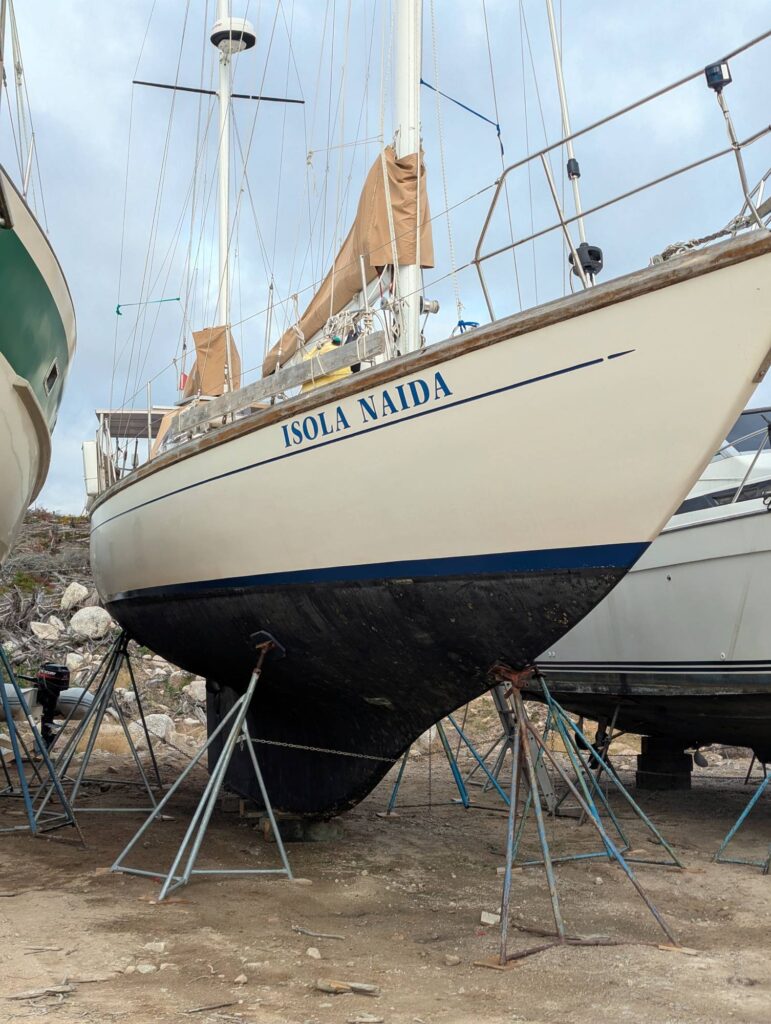
    Overall, Boat Bottom did a respectable job of lightening the stains on Isola Naida’s hull, and the results look quite good in photos. In person, some shadowing remains, and a few barnacles along the boot stripe will still need attention. Perhaps reason enough to invest in a bottle of On & Off next time.

    Removing the Sails

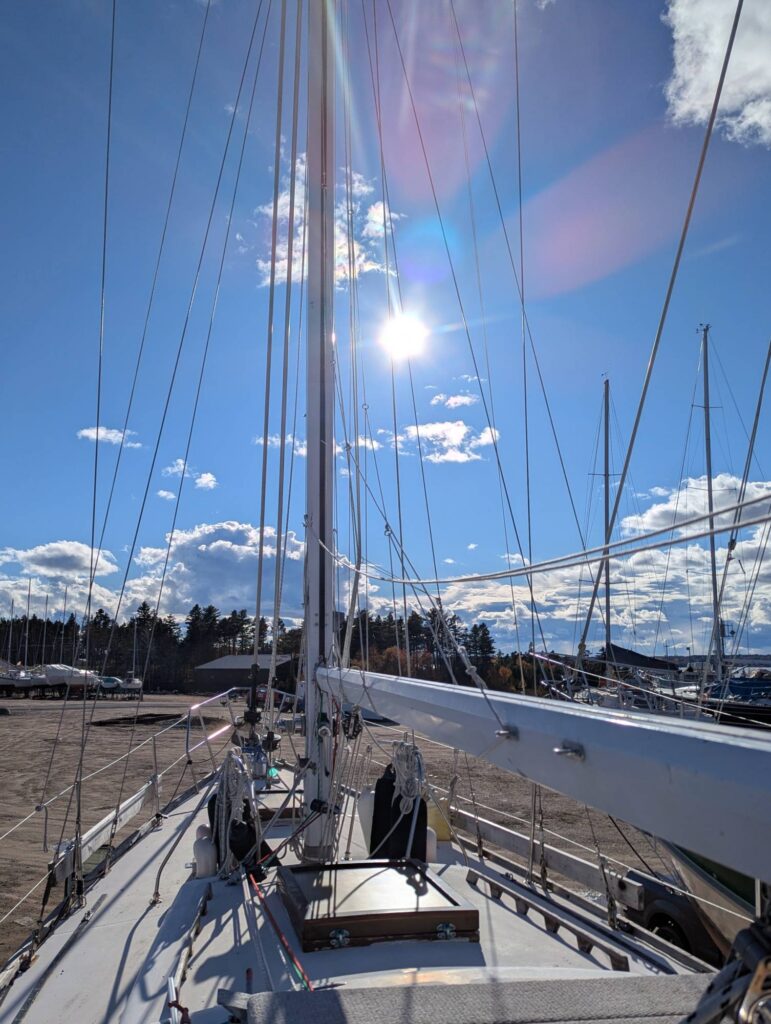
    On 26 October, we made our way to Isola Naida to cross a few more items off the to-do list. The main task for the day was to take advantage of the calm forecast to remove and fold the main and mizzen sails for storage. Both came down smoothly. We laid the main sail across the boom to dry out in the sun after the previous week’s rain.

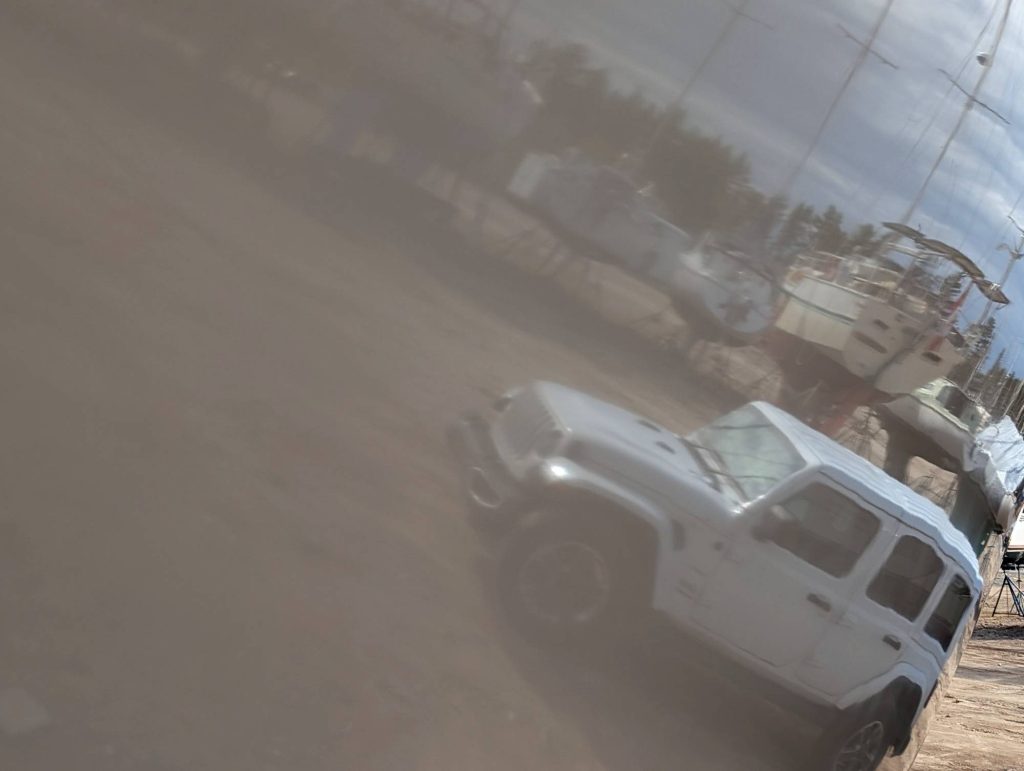
    Before long, a large dark cloud rolled in from the north, and the wind began to pick up. Not wanting to risk losing or damaging the sail, we quickly rolled and tied it, then passed it over the side to stow in the Jeep, safe from the weather. Later in the day, we brought the sail to one of the storage buildings in the yard to lay out and refold properly before leaving for the day.

    Preparing for Winter

    With colder weather on the way, we’ve been developing a plan to cover Isola Naida and protect her from snow and ice. Around the yard, we’ve seen a wide variety of winter cover solutions. Many owners opt to shrink-wrap their boats – effective, but costly, with prices hovering around $1,000 for a vessel of Isola Naida’s size. That’s had us exploring alternatives.
    A custom-fabric cover would be ideal, but the cost would still be high. It’s something we might pattern and sew ourselves in the future. Some owners insist that only the cockpit needs to be covered to protect electronics, since the decks should already be weather-tight. While that makes sense, we’d still prefer to shield as much of the deck as possible, particularly the wooden hatches, which could suffer from freeze–thaw cycles over the winter months.

    After some research, we’ve narrowed our framing options down to three main solutions:


    Solution 1 – Aluminum Conduit

    Pros

    • Can be bent to any desired arch or headroom
    • Strong, durable, and long-lasting
    • Connects easily along a centre-line spine

    Solution 2 – PVC Pipe

    Pros

    • Can be flexed or heated to form arched shapes
    • Connects with standard tee and cross fittings
    • Lightweight and affordable

    Solution 3 – Timber A-Frame

    Pros

    • Low-cost and simple to construct
    • Fully customizable with basic tools

    Cons

    • More expensive than other materials
    • Requires specialized bending tools or pre-bent sections
    • Heavier than PVC, though lighter than wood

    Cons

    • Can become brittle in extreme cold
    • May crack under heavy snow loads

    Cons

    • Heaviest option, especially when vaulted
    • Susceptible to moisture and rot
    • Difficult to transport and store long lengths

    At the moment, we’re leaning toward the PVC pipe framing solution. It offers the best balance of flexibility, cost, and strength — allowing us to create arched ribs connected to a centre spine that maximizes headroom under the tarp while supporting winter snow loads.

    For the tarp itself, we’ve sourced a 30′ x 60′ (9.14 m x 18.28 m) sheet, large enough to cover the full length of the boat and its framing. We’ll need to cut openings along the centreline to accommodate the masts and furlers. These cuts will be reinforced with tuck tape and lined with grommets so the edges can be re-stitched once the tarp is in place. Finally, the tarp’s lower edges will be lashed beneath the hull to keep it secure against the wind.

    Until Next Week!

    As we move closer to winter, we’re eager to get Isola Naida tucked safely beneath her cover and ready for the months ahead. If you’ve built your own winter frame or have tips for keeping a boat protected through harsh weather, we’d love to hear from you! Your experience could help shape our next steps. You can share your thoughts in the comments below or connect with us on Instagram and Facebook, where we post regular updates and photos from life aboard and ashore.

  • Boat Work: Caribe RHIB Repair Project

    Boat Work: Caribe RHIB Repair Project

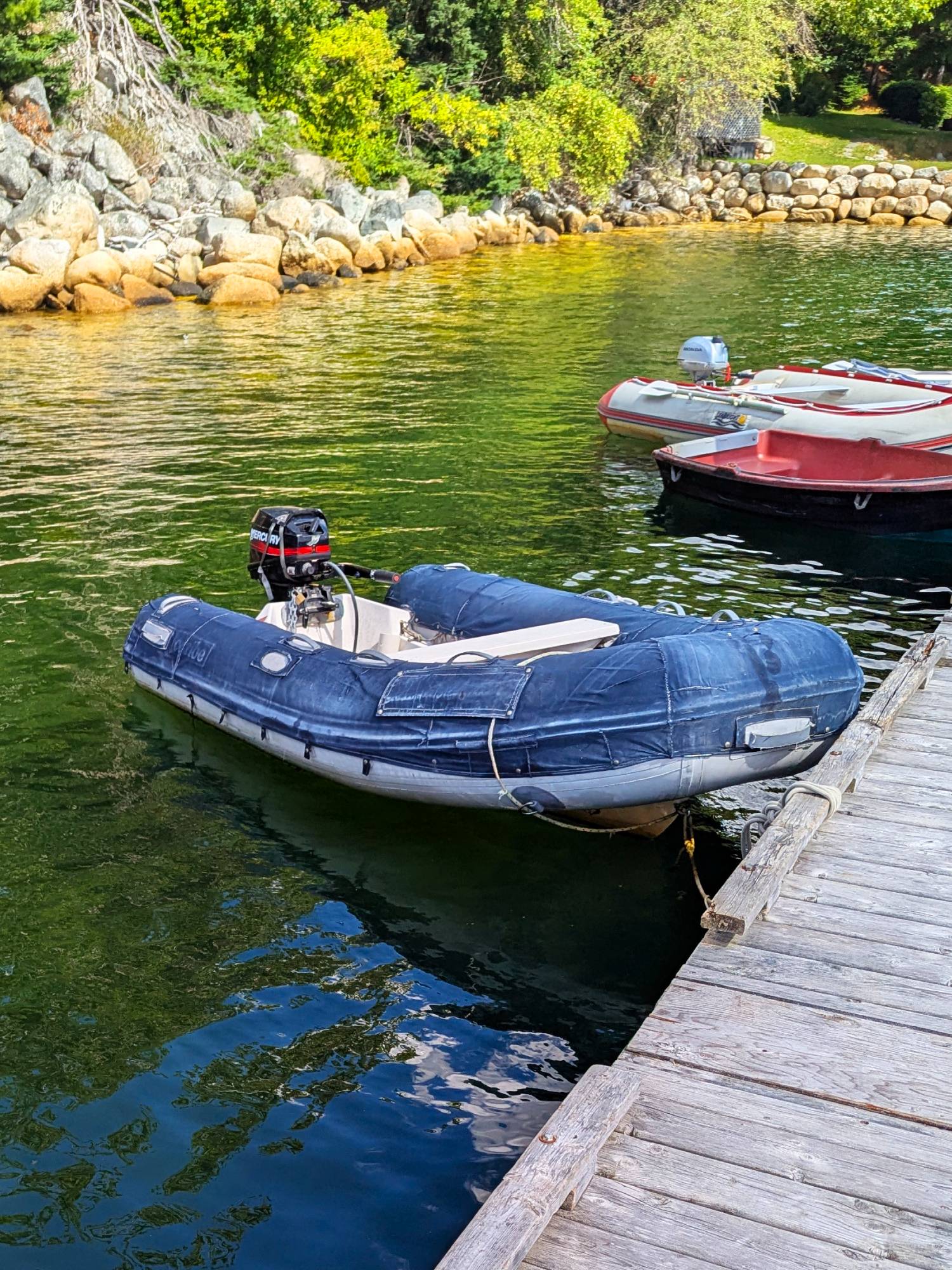
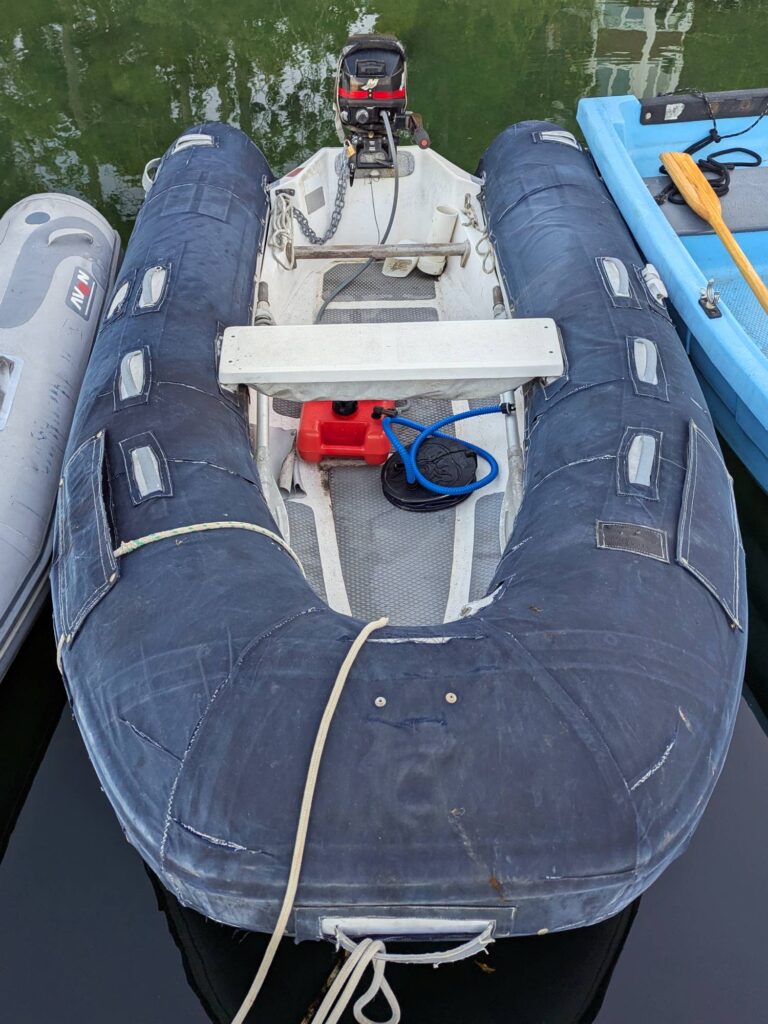
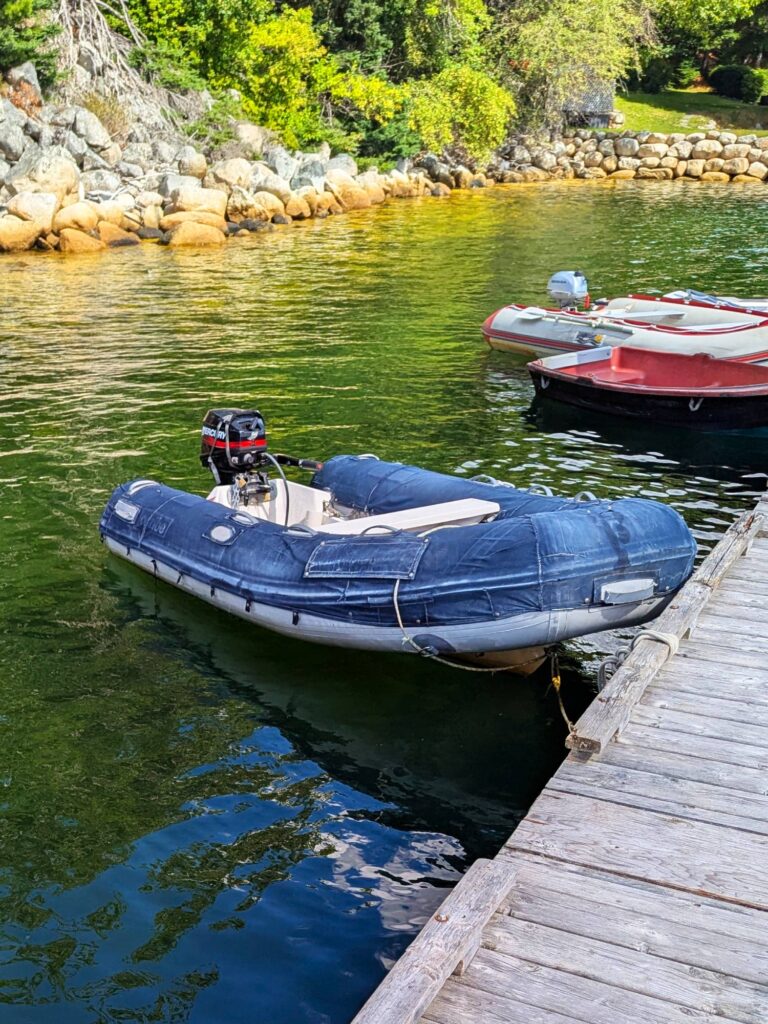
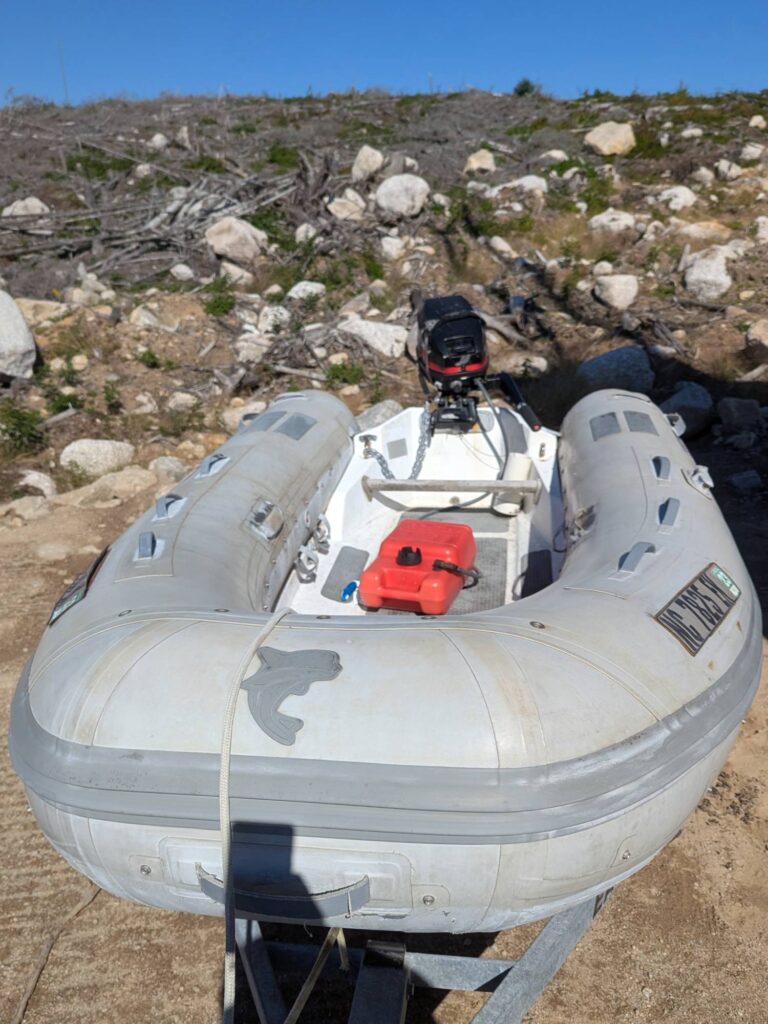
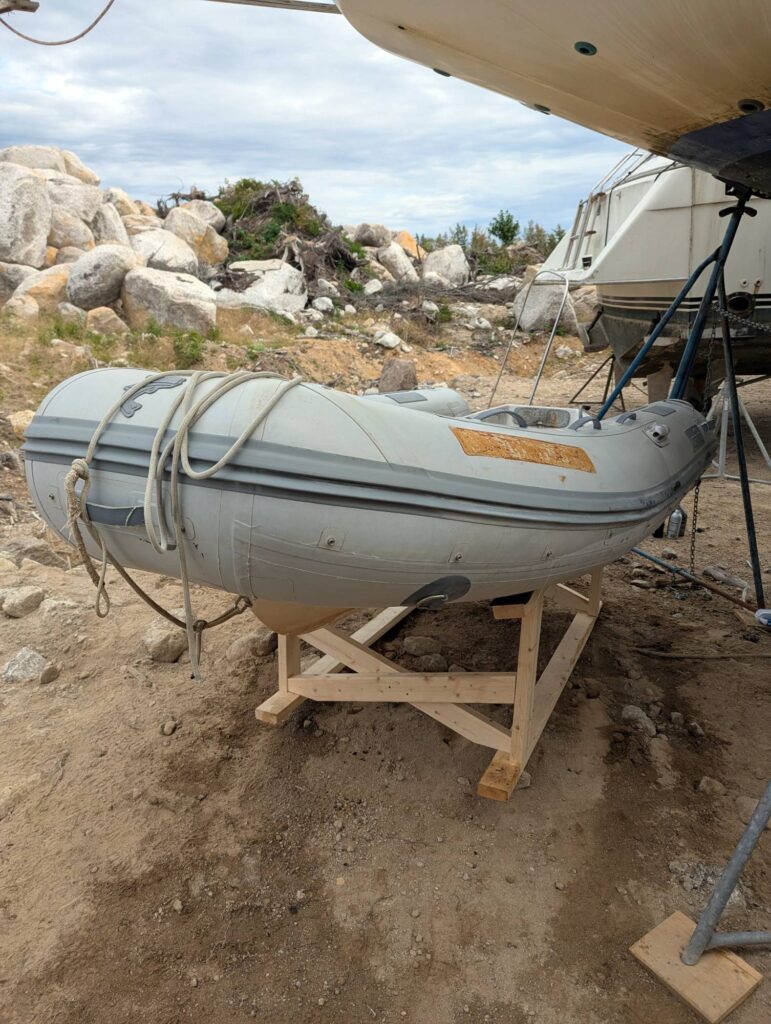
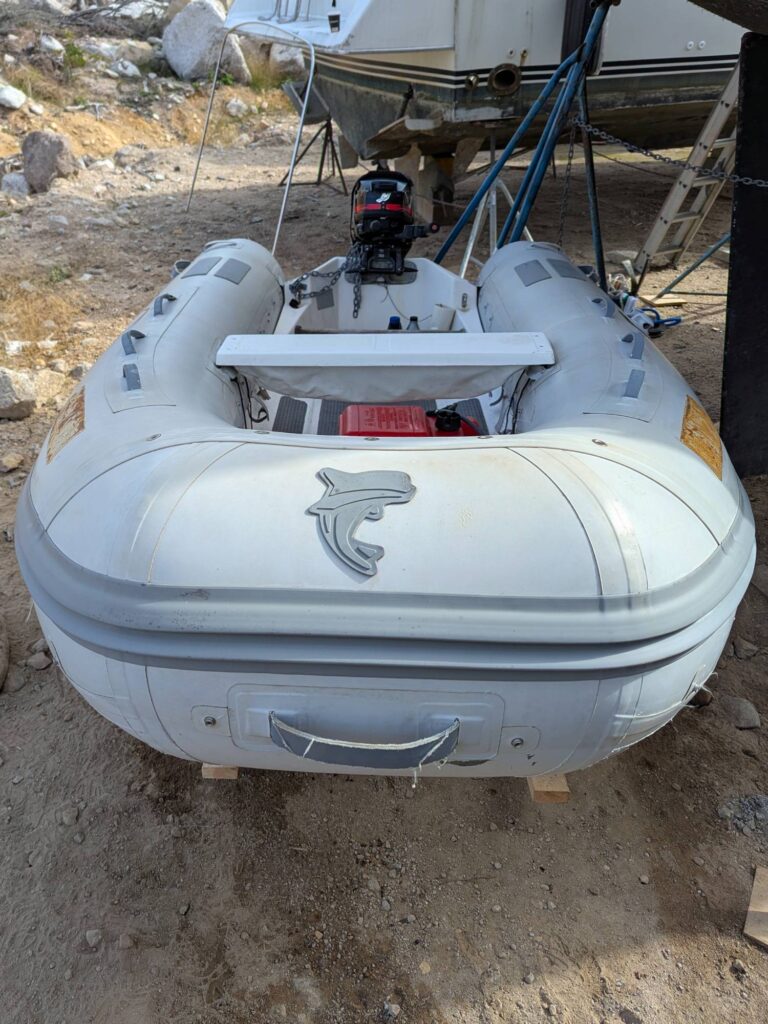
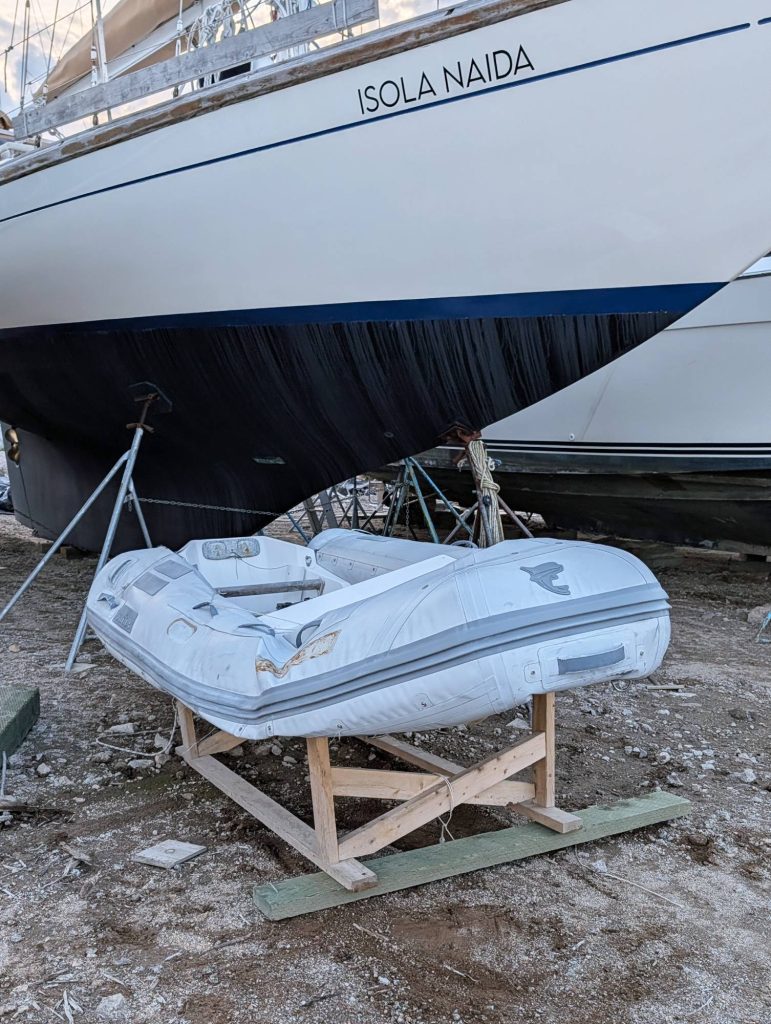
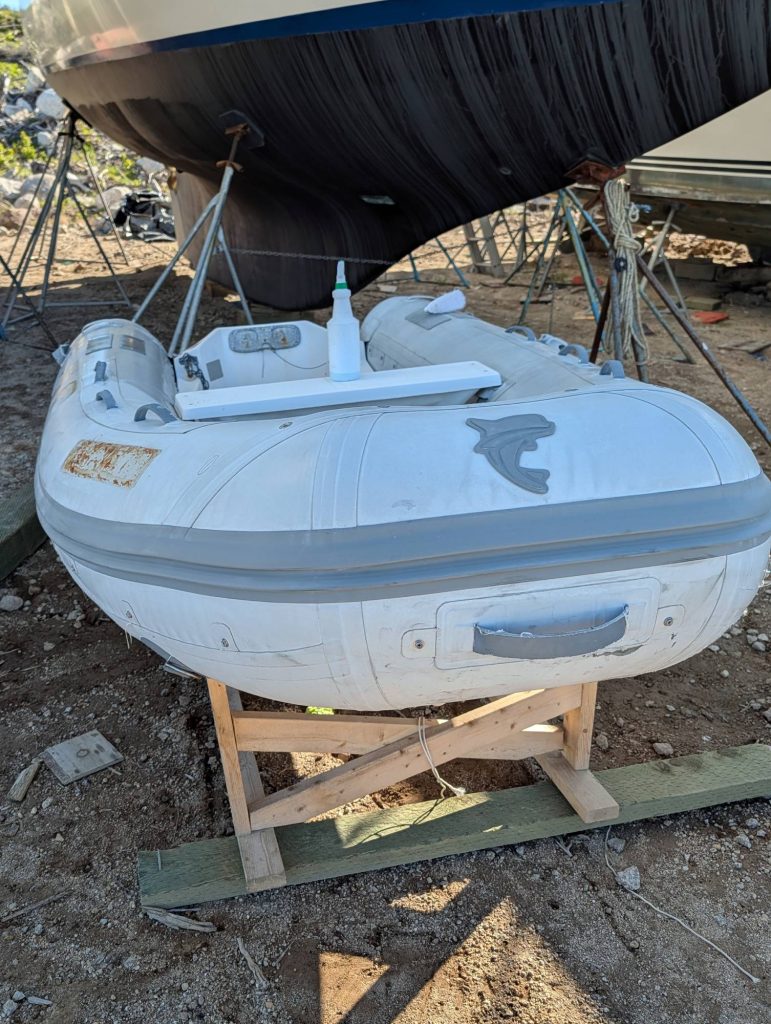
    When we took stewardship of Isola Naida, we also adopted her tender, a Caribe Nautica MVPL-10 Rigid Hull Inflatable Boat (RHIB). Caribe has long been known for their quality inflatable boats and we were excited to have a RHIB as a tender – their stability and carrying capacity is unmatched. Now that we have the boat out of the water for the season we’re able to address the leaks and prepare the tender for next season.

    Before

    We knew at the time we bought Isola Naida that the starboard and bow sponsons of our RHIB each suffered a slow leak. This meant that we’ve had to reinflate two of the three sponsons daily. The previous owners hadn’t had the opportunity to haul her our and go on a leak-finding mission.

    Step 1: Soap Wash

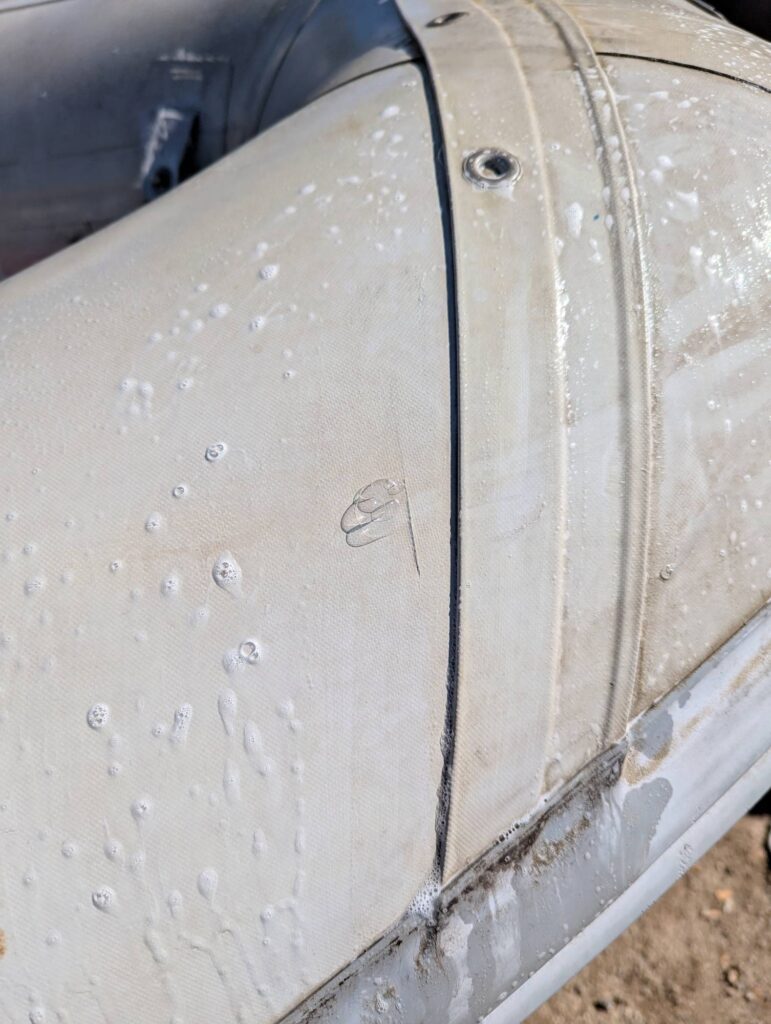
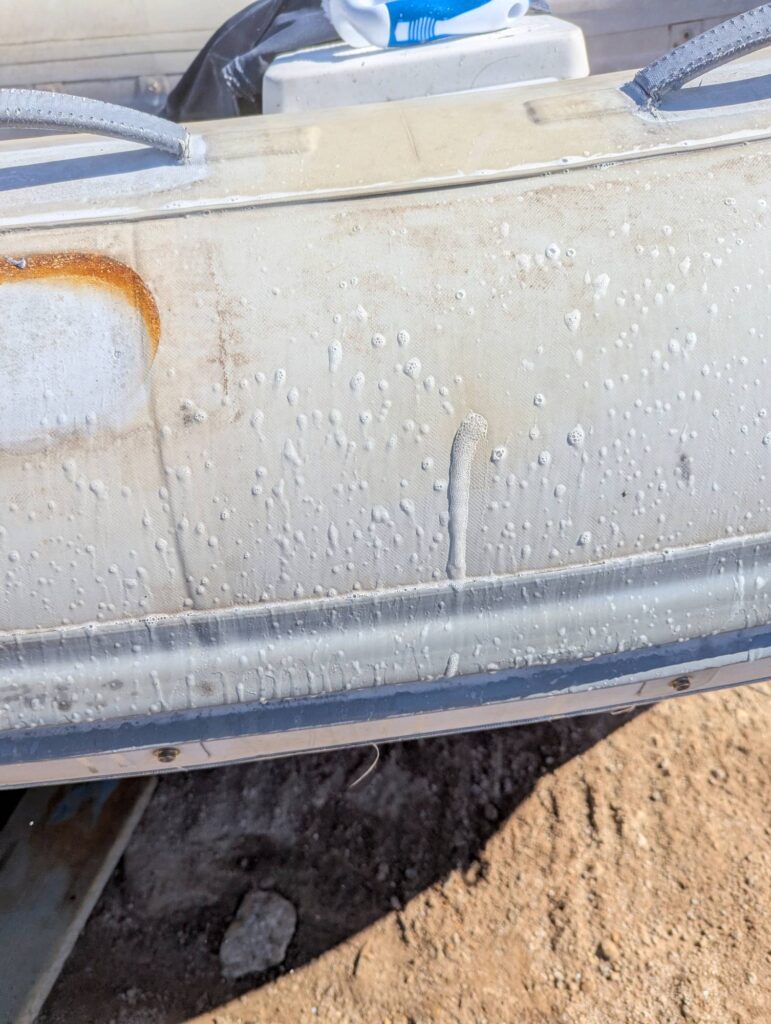
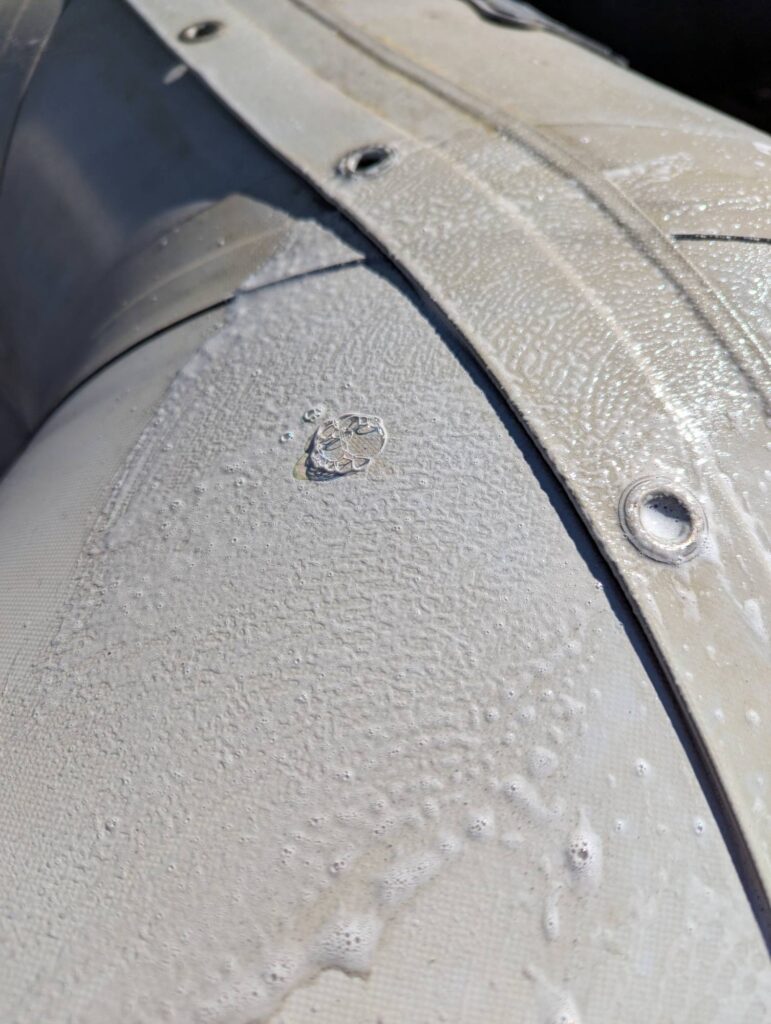
    On 27 September, D’Arcy took advantage of the tender being our of the water to begin cleaning the boat and finding leaks. Using a spray bottle with a 1:4 mixture of Dawn dish soap to water, he began spraying sections of the sponsons and used a stiff bristle brush to help remove dirt and lather the soap. Lathering the soap helps to create an even distribution of bubbles which further helps the larger bubbles formed by air leaks to stand out.

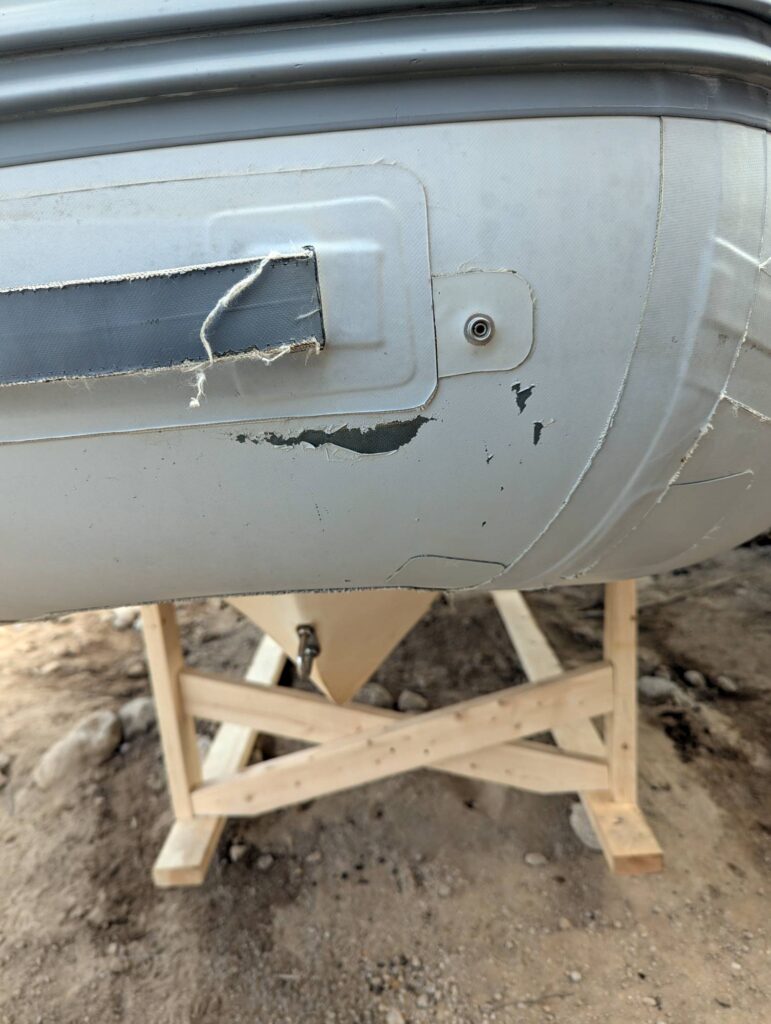
    We quickly discovered five leaks – four were pinhole leaks and one was a very fine slice. All of the leaks were located on the starboard bow of the boat. This bit of information immediately exposed the culprit: Isola Naida’s boarding ladder!

    Isola Naida’s ladder swings over the port side toe-rail and hinges at the midpoint. When the lower half of the ladder is in the upright position instead of lowered into the water, the ends of the stainless steel tubing that makes up the ladder is exposed. This happens to be the perfect height for making contact with the RHIB’s sponsons. This was a known issue which we had discussed with Isola Nadia’s previous owners.

    Step 2: Degreasing

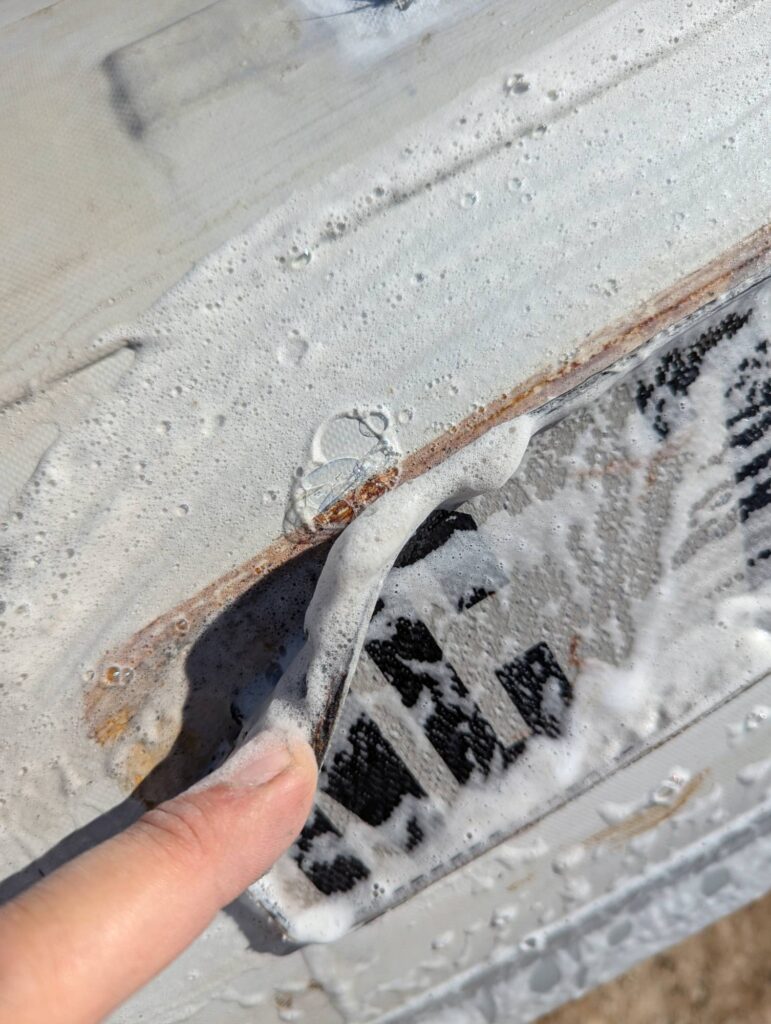
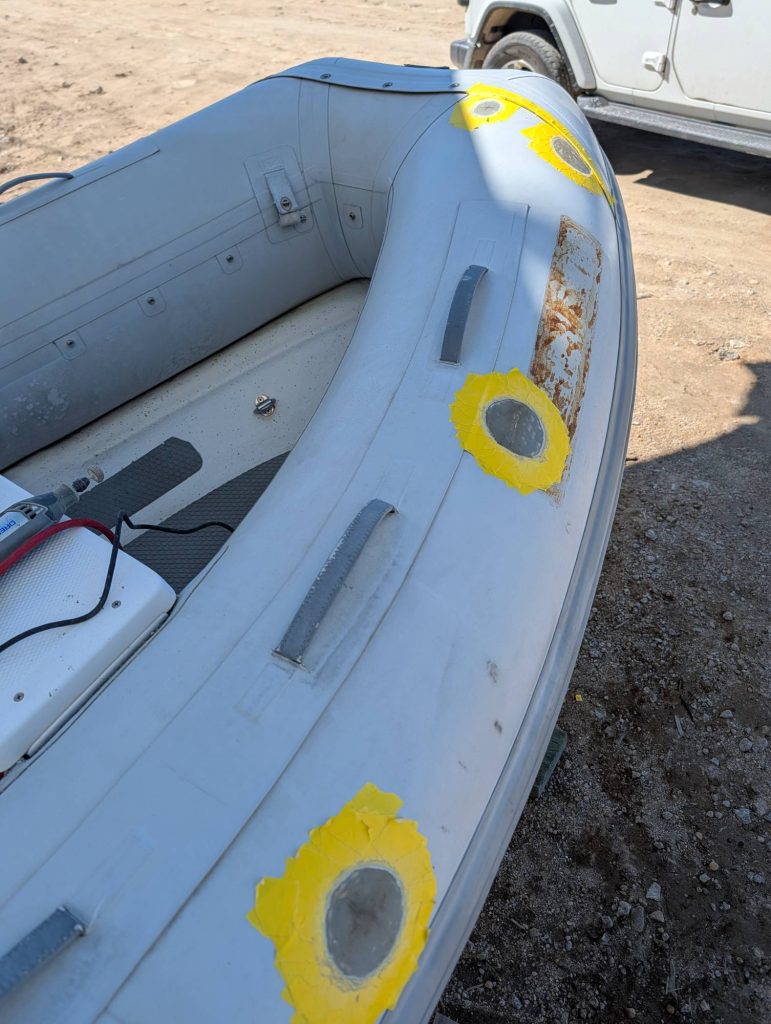
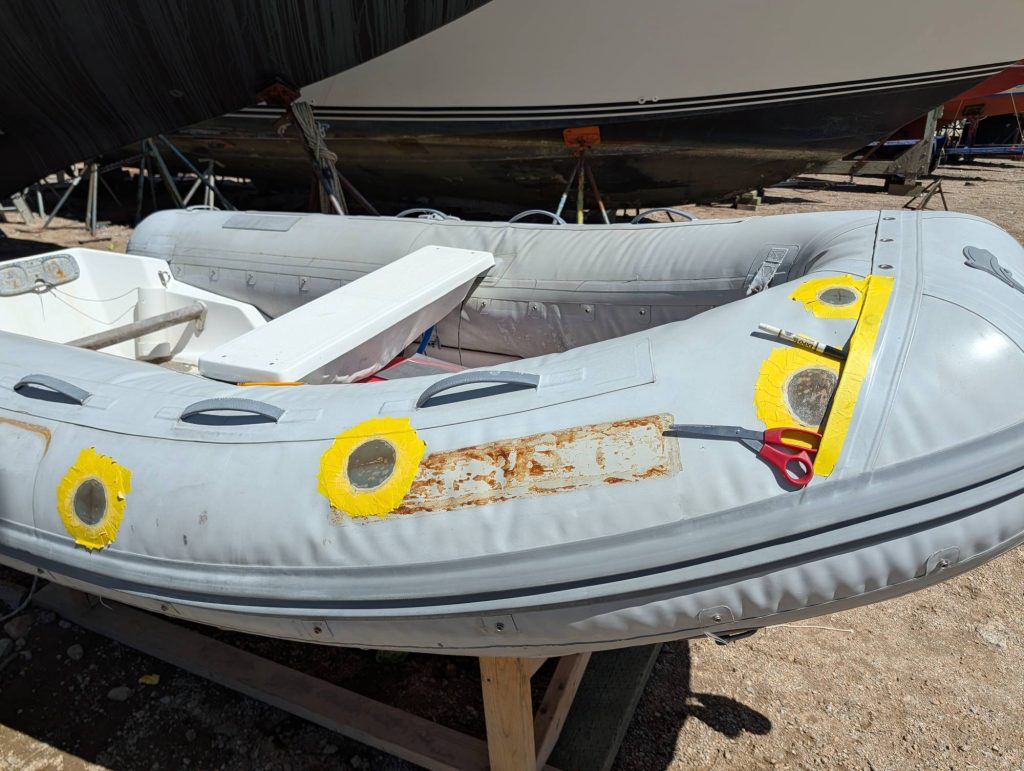
    On 5 October, D’Arcy returned to degrease the tender and perform a deeper cleaning. This also ensured that we hadn’t missed any leaks in our original search. We used Marine Spray Nine Heavy Duty cleaner to degrease the Hypalon sponsons and the interior hull.

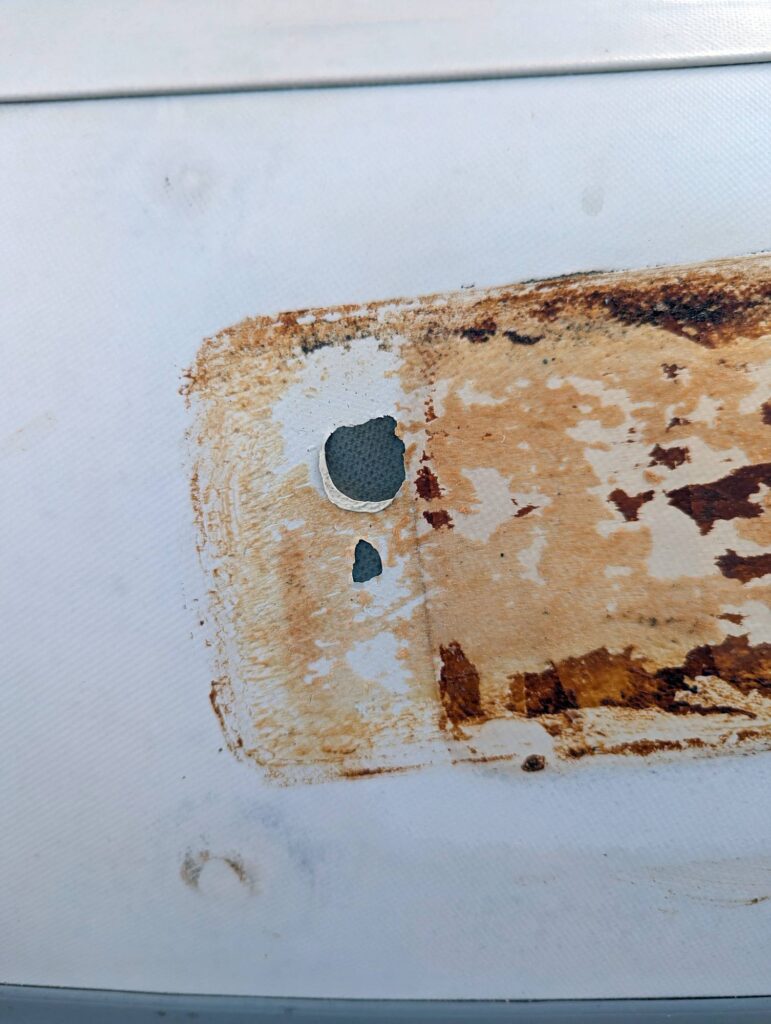
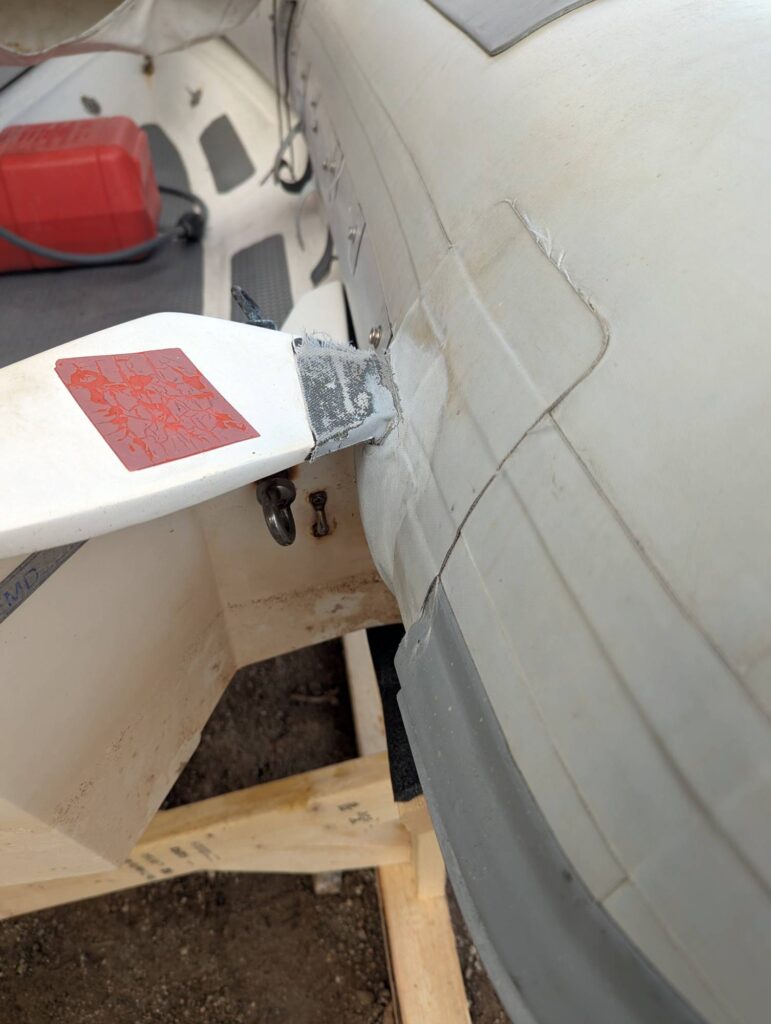
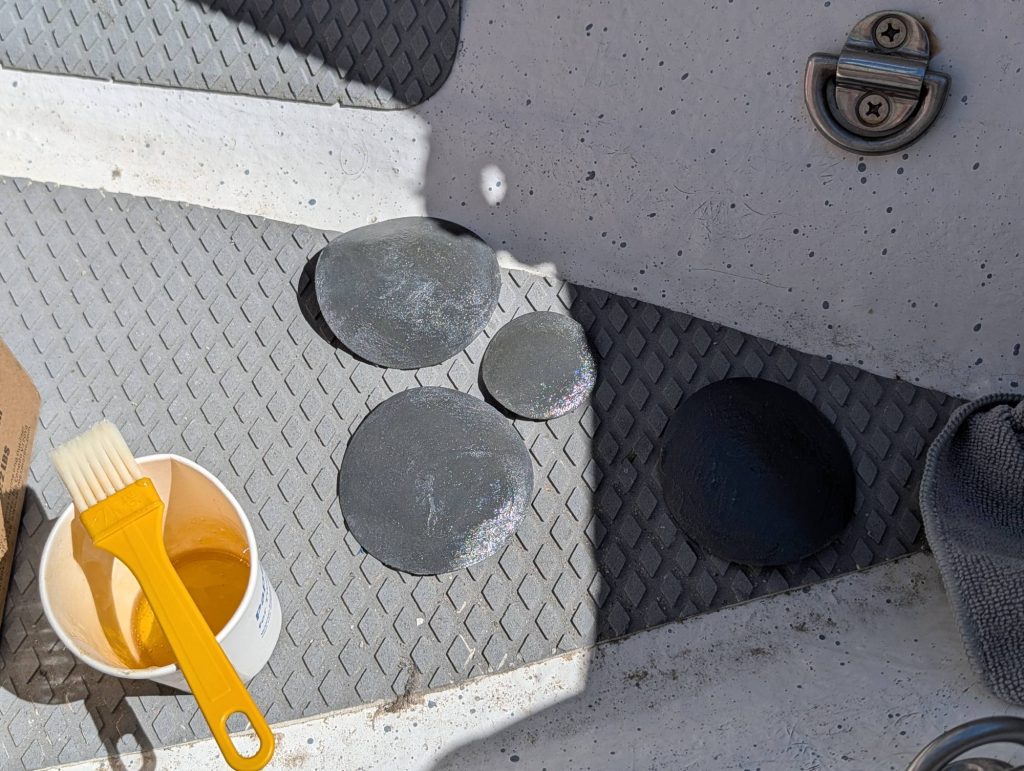
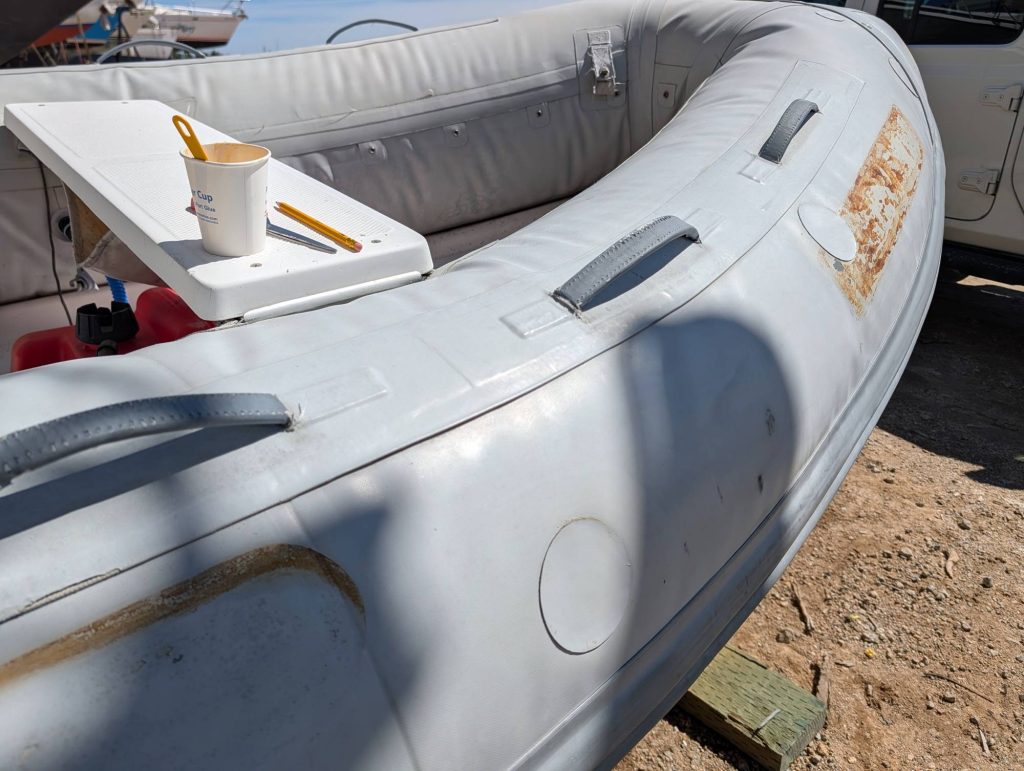
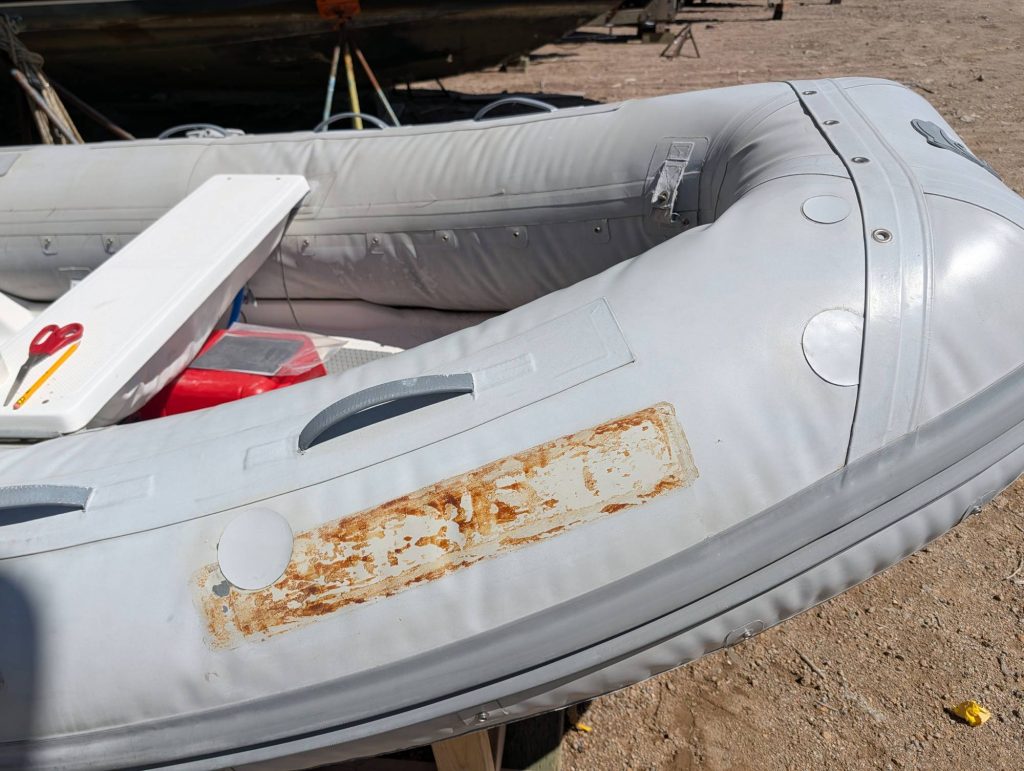
    In the process, we removed the old North Carolina registration plates that had been affixed to the port and starboard side sponsons. This exposed some more spots where the neoprene outer layer of material had been separated from the Hypalon backing. We’ll reinforce these areas when we patch the leaks to help protect the sponsons as much as possible.

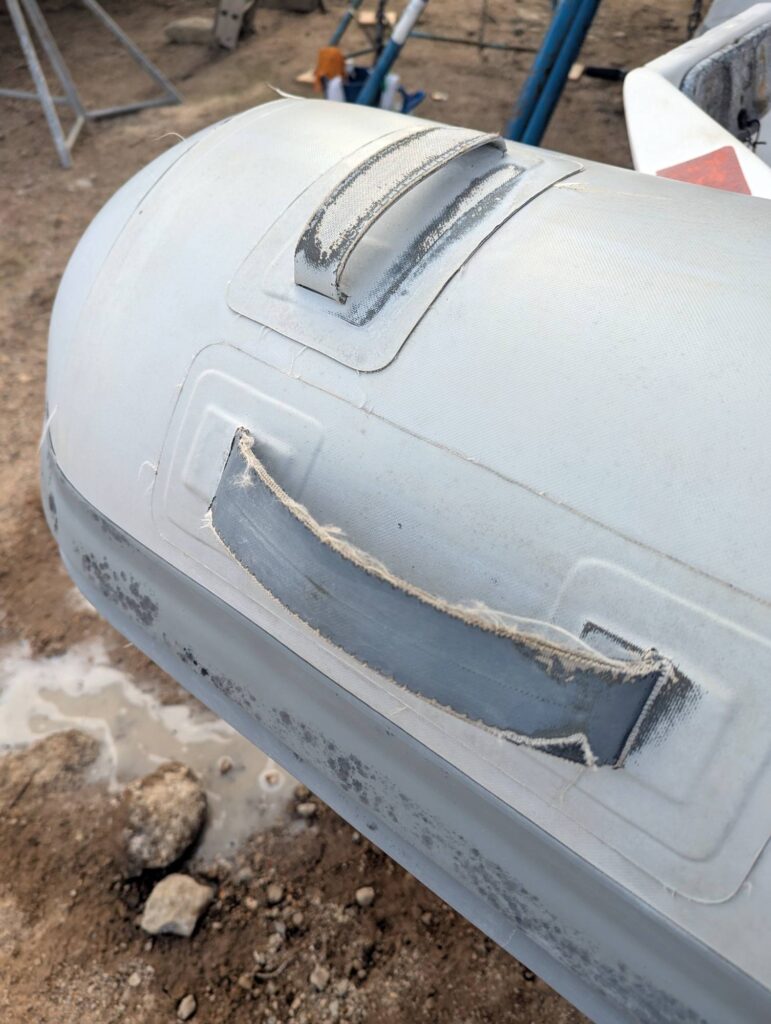
    We won’t be able to reinforce the handles at this point. Structurally they are fine, repairs to the handles are purely cosmetic. We’ve made a note to address the handles in the future.


    This post will be updated with the remaining steps as the work is completed. Come back soon to see the progress and results!

  • Hauling-Out, Beginning Boatwork and a Surprising Message

    Hauling-Out, Beginning Boatwork and a Surprising Message

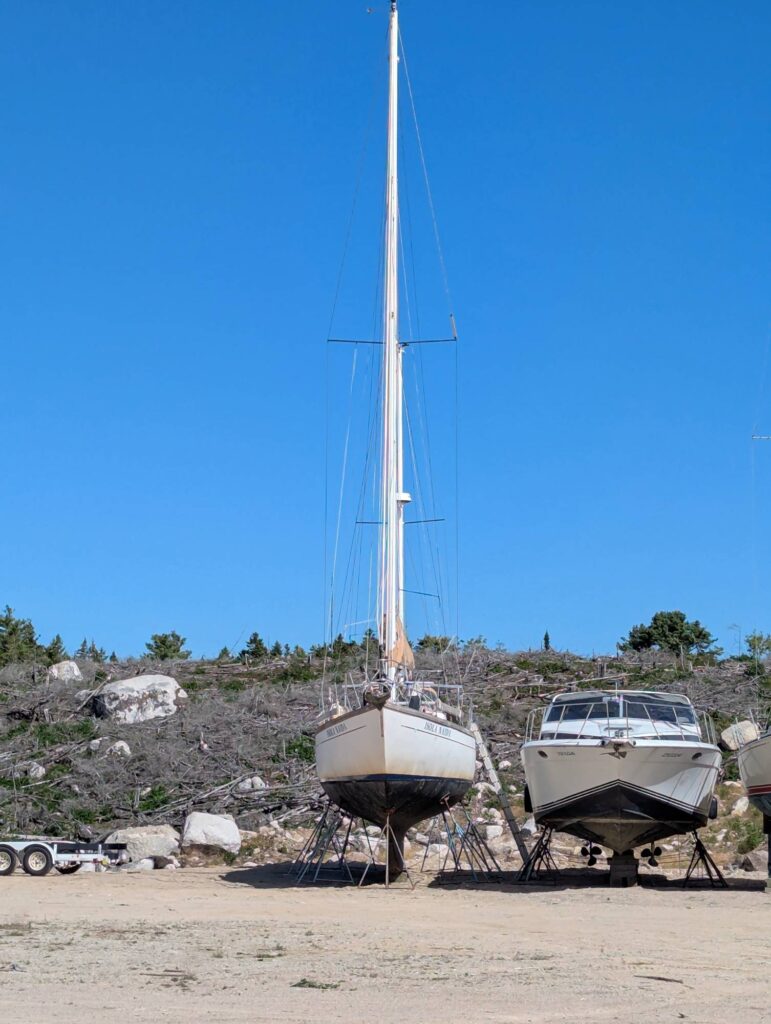
    Every haul-out marks a turning point in the sailing season, and this year was no exception for Isola Naida. After a busy summer on the water, we brought her to East River Shipyard to be hauled out, onto the hard for winter. What followed was a week of planning boat projects, uncovering the source of our tender’s persistent leaks, and receiving a message that connected us to Isola Naida’s very first owner—an unexpected reminder of the stories carried within her hull.

    Hauling Out

    With Isola Naida tied up at East River Shipyard, it took a few days of planning before she was ready to haul out. The first job was dropping her furler headsails. D’Arcy managed to remove both on his own. The staysail came down easily in a light breeze, but the genoa required a completely calm day. By Friday afternoon, 19 September, we were finally on the schedule for haul-out.
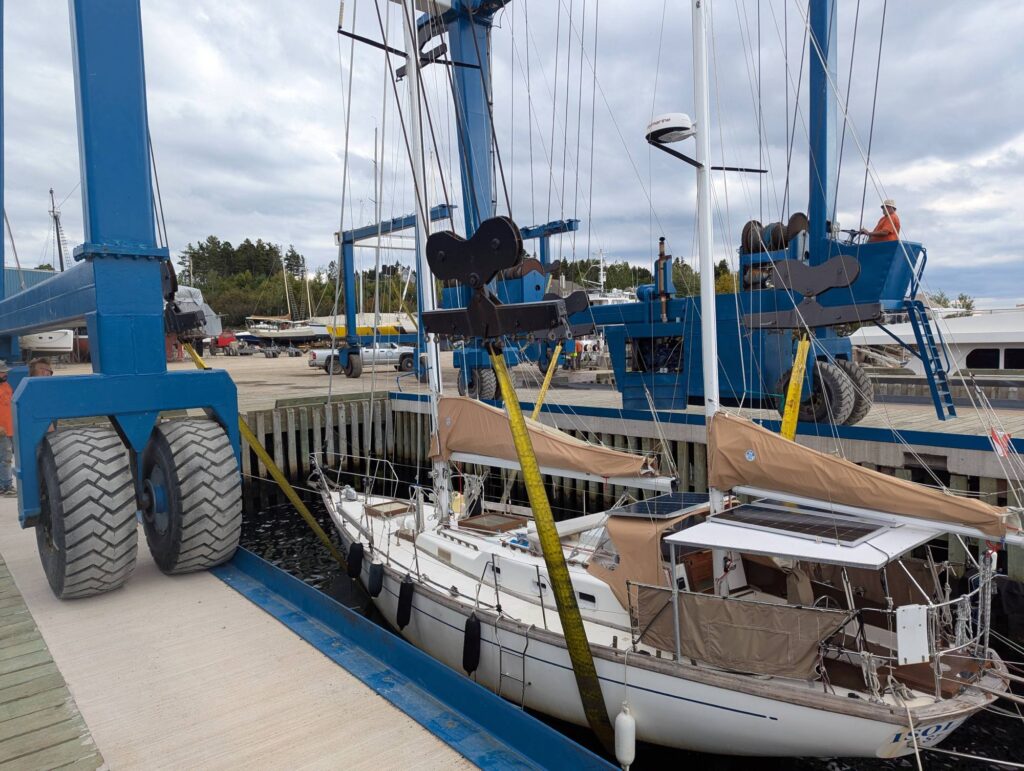
    D’Arcy, Matt, and another shipyard crew member, Chris, worked together to get Isola Naida off the dock and into the travel lift well. The winds had picked up out of the north-northwest, pushing us back against the dock. The cockpit curtains acted like sails, making it even harder to maneuver under power. With some careful fending-off, we managed to push her back, reverse into the wind, then power forward into the larger of the two wells. Because of our forestay furler, the yard opted to use the bigger lift to avoid clearance issues.
    We decided to secure on the windward side of the well. It was trickier, since the wind was blowing directly across the entrance, but this way we could tie her securely to the wharf and center her under the lift without staying aboard, otherwise we’d be pulling all 29,000 pounds of her off the leeward wall.

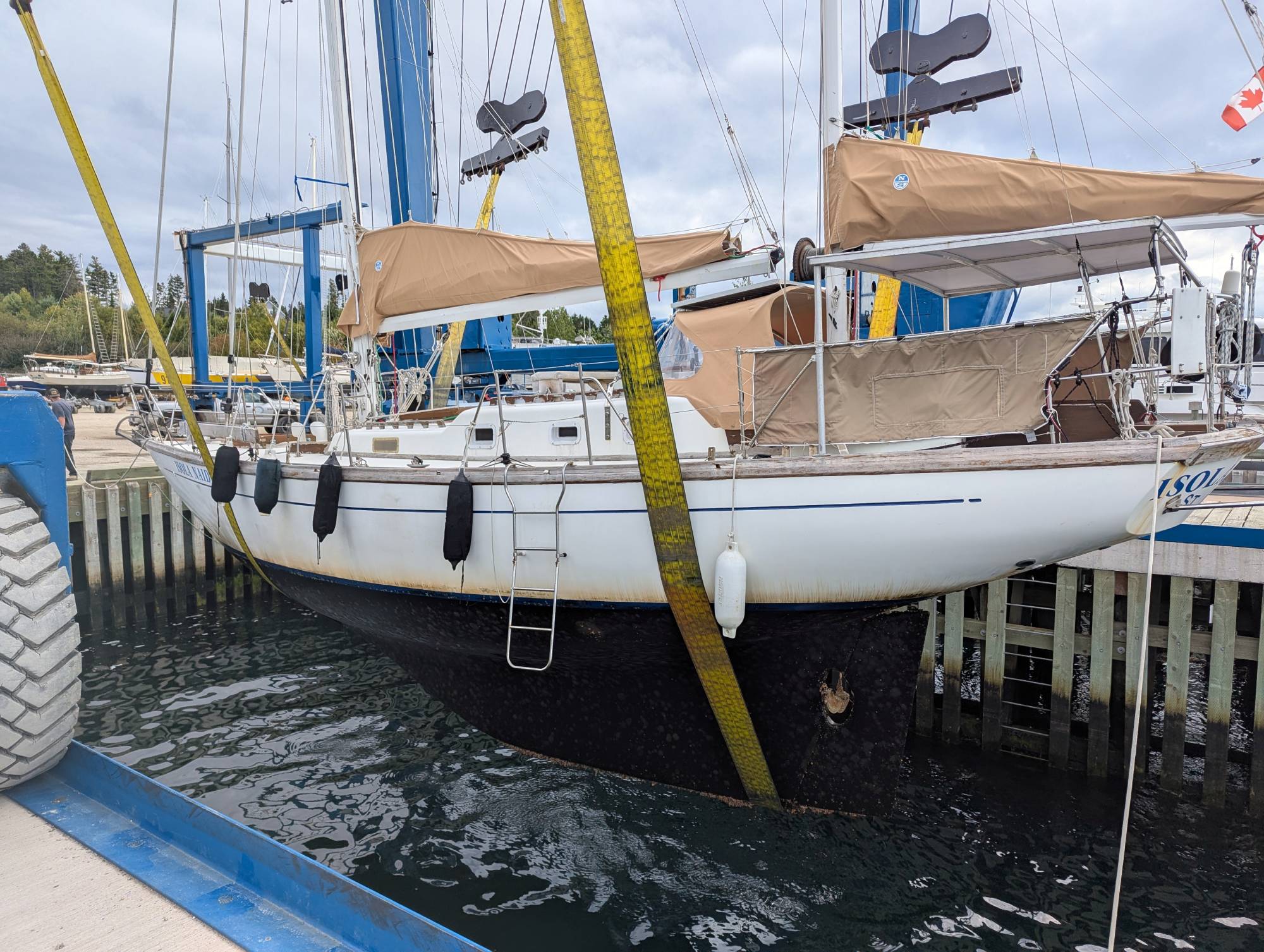
    With the straps carefully positioned and secured around her full keel, Isola Naida was slowly raised out of the ocean. Her bottom was in good shape, with growth mostly clustered around the rudder and keel. We didn’t have time to pressure wash her right away, so that will be a job for later while she rests in her stands.

    From there, the travel lift rolled her ashore, where she was transferred onto a large trailer for the slow, steady climb up the hill to the storage yard. Once in position, we worked with the yard crew to set her keel blocks, place her stands, and secure her for the winter.

    With Isola Naida finally on the hard, we can turn our focus to winter refit plans and the long list of boat projects waiting to be tackled.

    Tender Care

    One of the first projects is our RHIB tender. Two of her three sponsons have slow leaks, meaning we’ve had to reinflate her every single time we head out. Step one was removing the custom navy-blue cover made by the previous owners. While it offered good sun protection, it was showing its age and won’t be salvageable.

    With the cover off, D’Arcy inspected all of the seams and joints along the PVC tubes. The material is weathered, but in decent shape – no major tears, just a few abrasions to reinforce, plus an oarlock that needs to be reattached. To hunt for leaks, we mixed dish soap and water in a spray bottle and coated the tender. Surprisingly, none of the seams or abrasions were leaking. Instead, we discovered a fine slice in the starboard bow tube, plus several pinhole punctures along the bow and starboard side. The culprit? Almost certainly Isola Naida’s boarding ladder.

    Now that we’ve located the leaks, we’ll be ordering PVC fabric to patch the problem areas. We also plan to reinforce a few stress points to prevent future punctures. More on that process will be coming in a future post.

    A Surprising Message

    This past week, we received a message through Instagram that stopped us in our tracks. The sender’s last name was immediately familiar: Hochwald. It turned out to be Mike Hochwald, son of Ulrich Hochwald. Ulrich was the very first owner of Isola Naida, and the man who built her from a bare hull.

    Mike shared pieces of her early history with us. Ulrich ordered the hull from Reliance Sailing Craft Co., Ltd. in Montreal in 1975 while the family was living in Thunder Bay, Ontario. In 1976, once completed, the hull was shipped to their home in Manuels, Conception Bay South, Newfoundland. Her diesel engine, purchased from one of the local Indigenous bands near Thunder Bay, was loaded into the back of their Chevy van for the move east.

    For the next eight and a half years, Ulrich worked on Isola Naida in the backyard of the family home. Mike even recalled the winter of 1983, when an ice storm knocked out power. That night, dinner was cooked on Isola Naida’s diesel stove, lit by the glow of kerosene lamps.

    Mike has kindly offered to share more of her history with us, which we’re eager to learn. Since we’ve been planning a passage to Newfoundland as part of our steps to crossing the Atlantic, the thought of meeting Ulrich in person someday makes this story even more special.

    An Invigorating Week

    From hauling out and tackling boat projects, to uncovering a piece of our Isola Naida’s past, this week has been full of reminders of how much story Isola Naida carries with her.
    Have you ever dsicovered a surprising piece of history of something you owned? A boat, a house, or something else? Tell us about it in the comments below!

    If you’re curious to follow along with our winter refit and Isola Naida’s unfolding story, make sure you’re subscribed so you don’t miss what’s next. Follow us on Instagram, Facebook, and Youtube for more!

  • Boat Work: Starboard Settee Storage Project

    Boat Work: Starboard Settee Storage Project

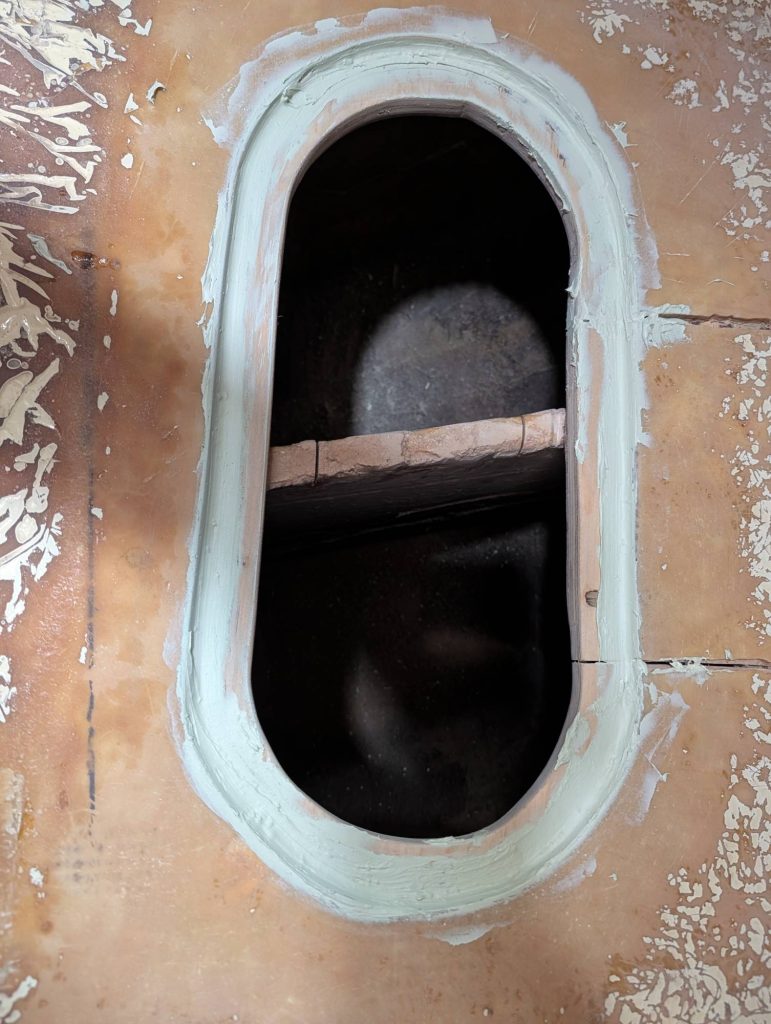
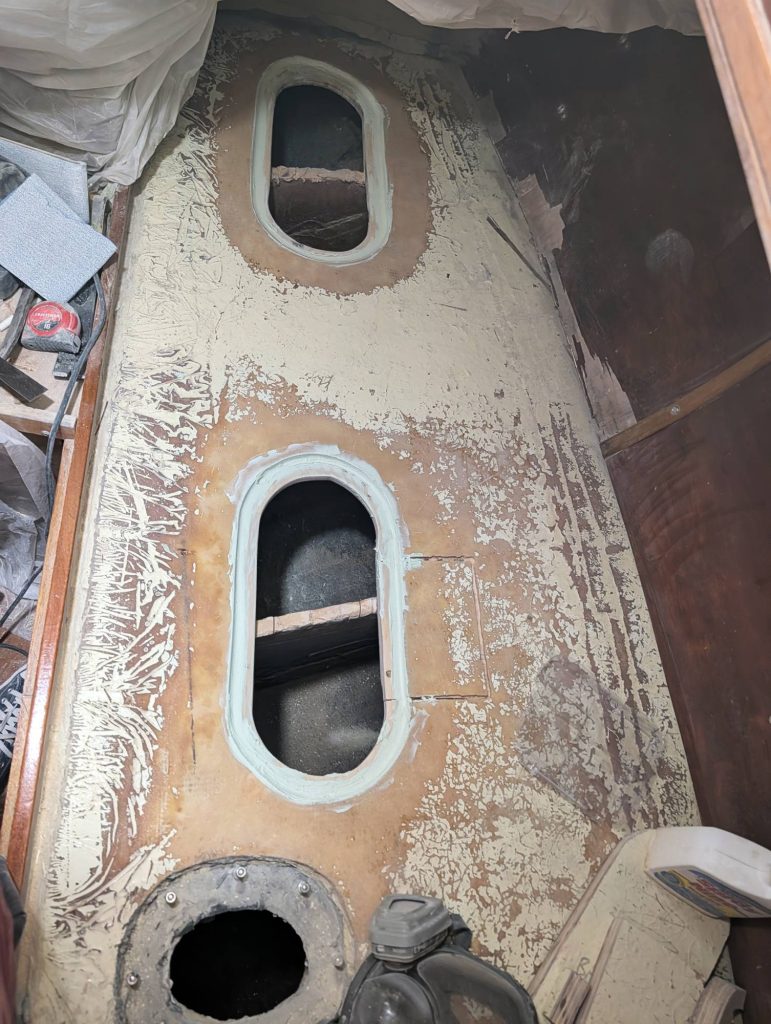
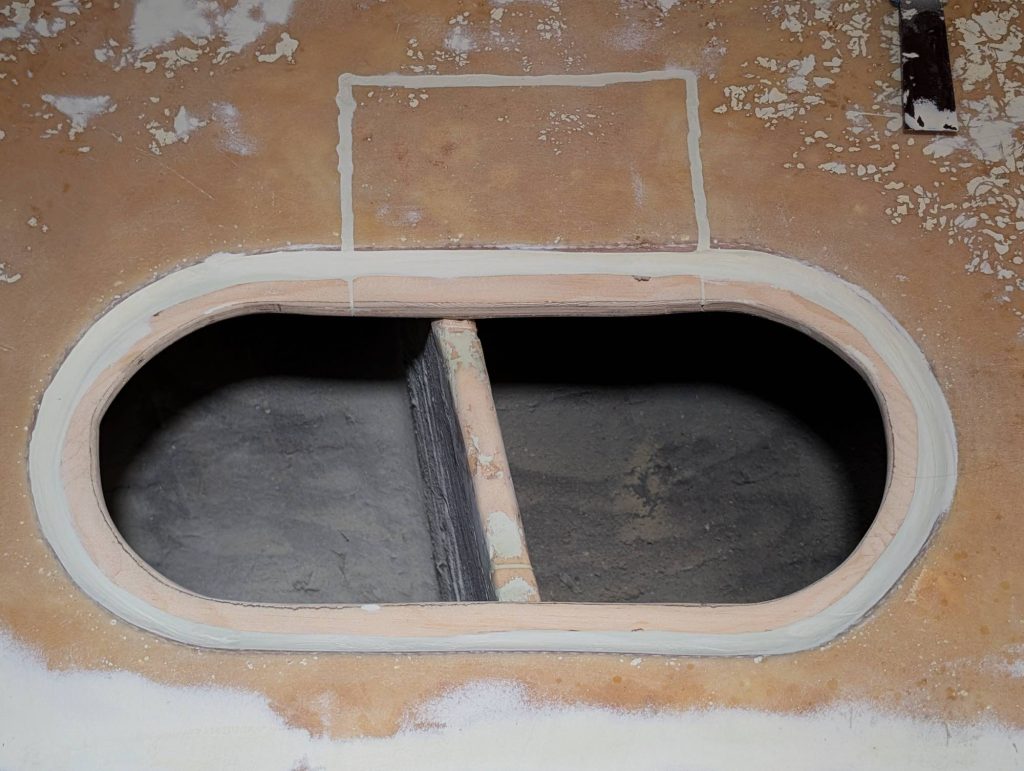
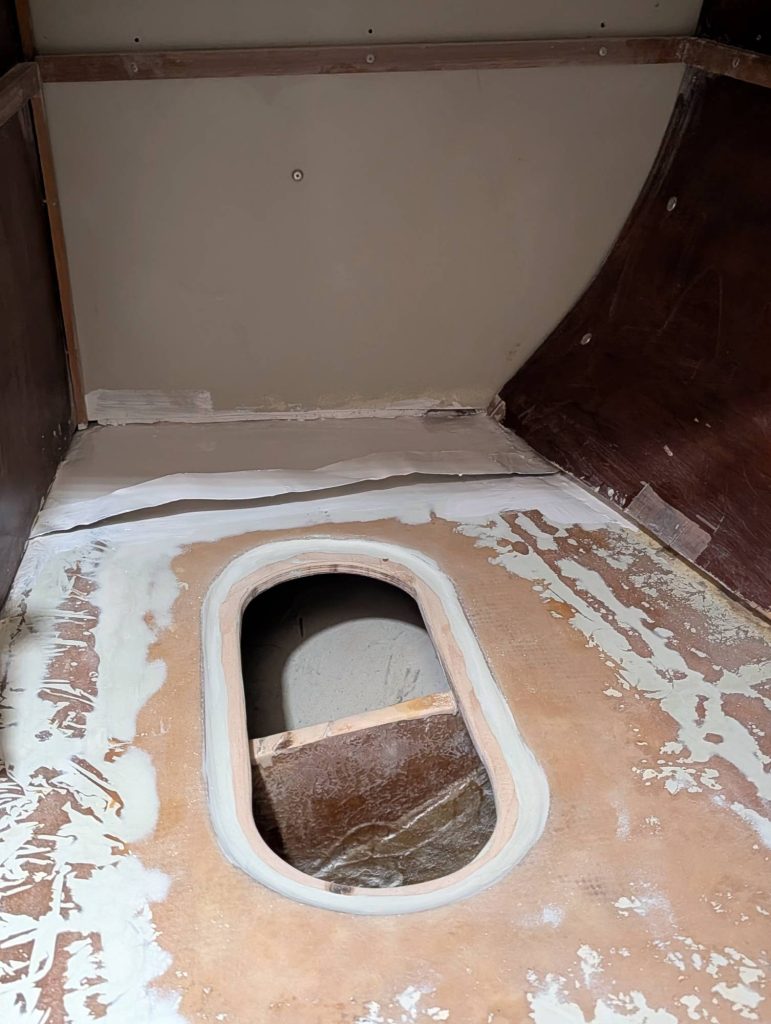
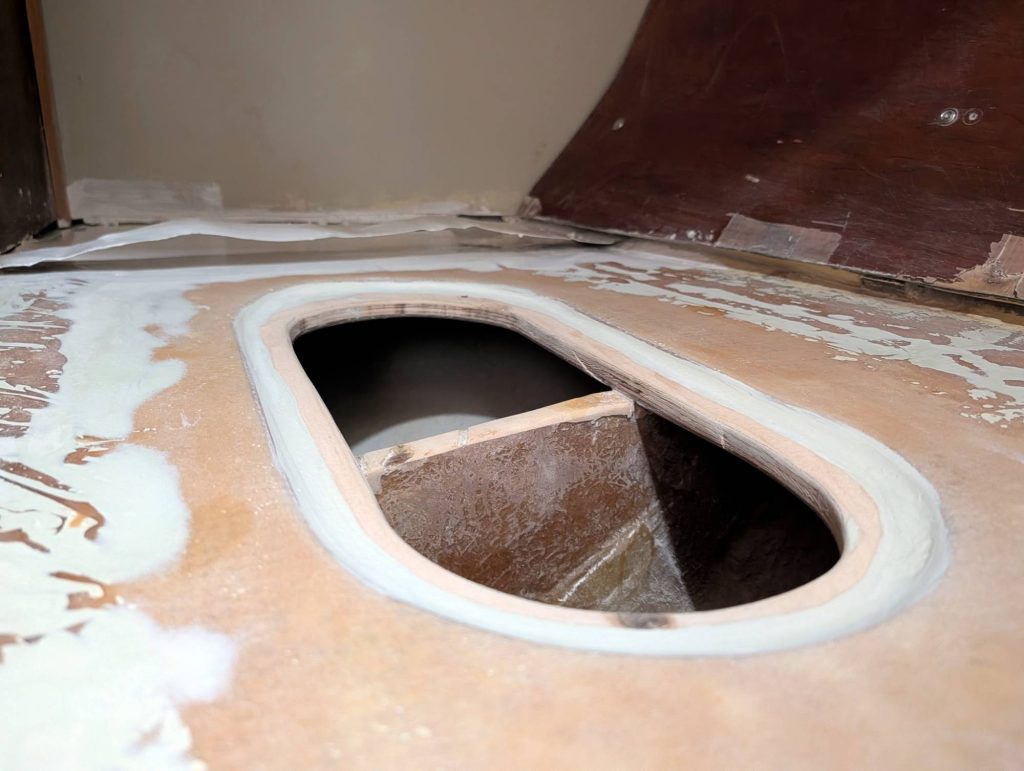
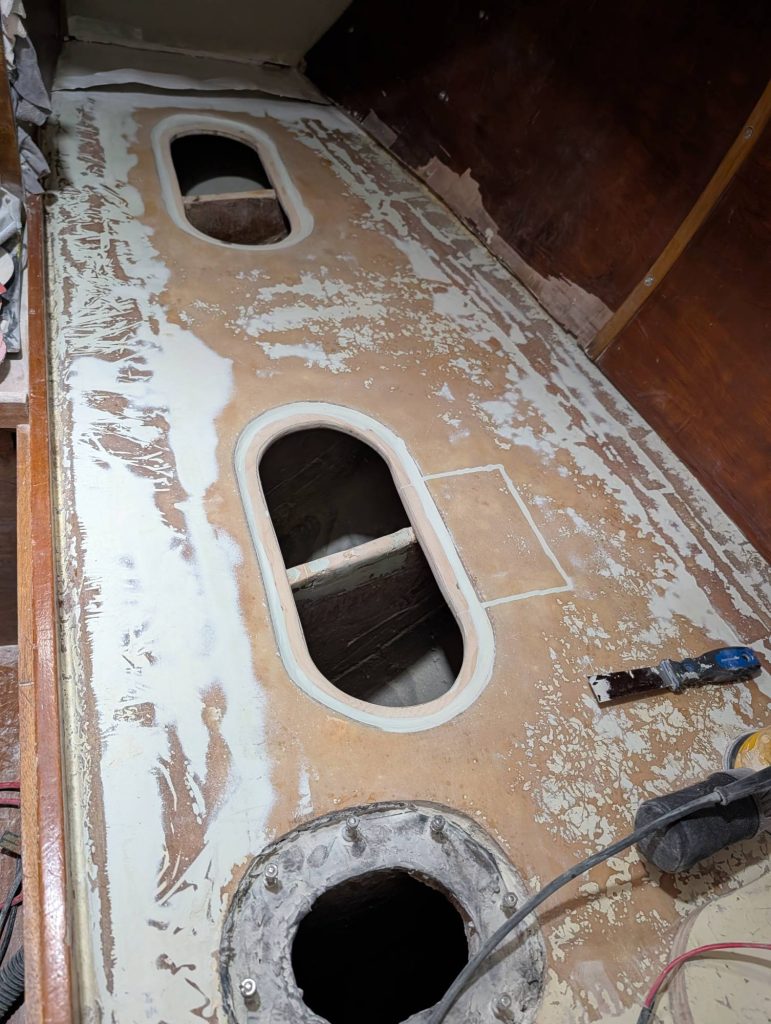
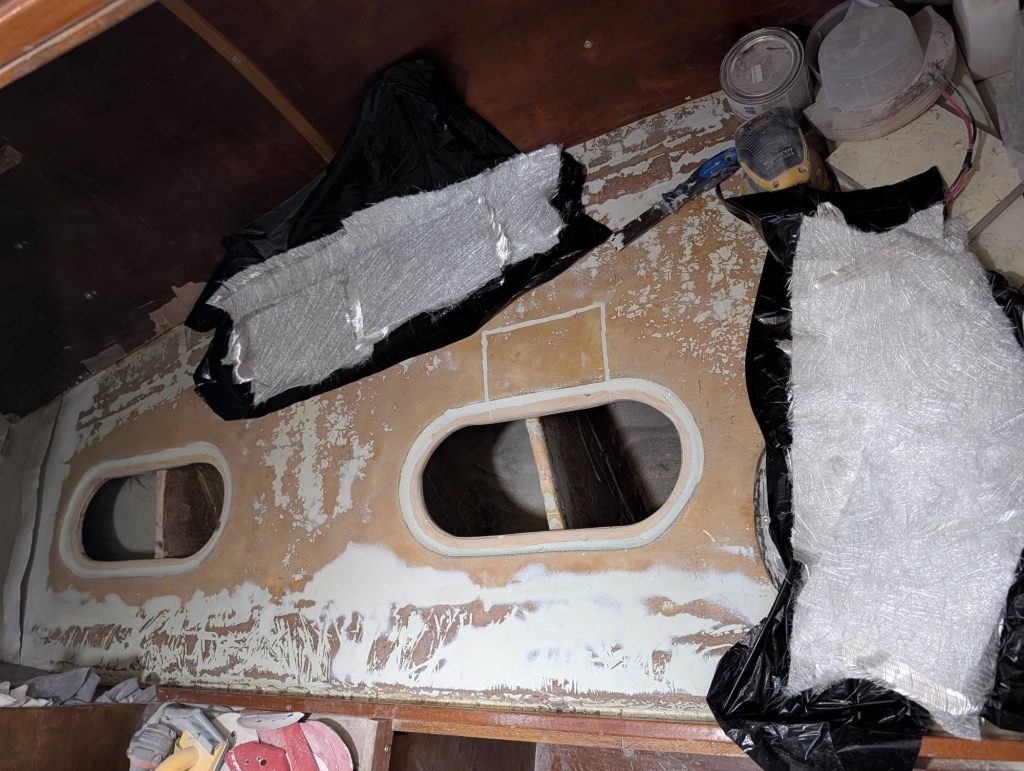
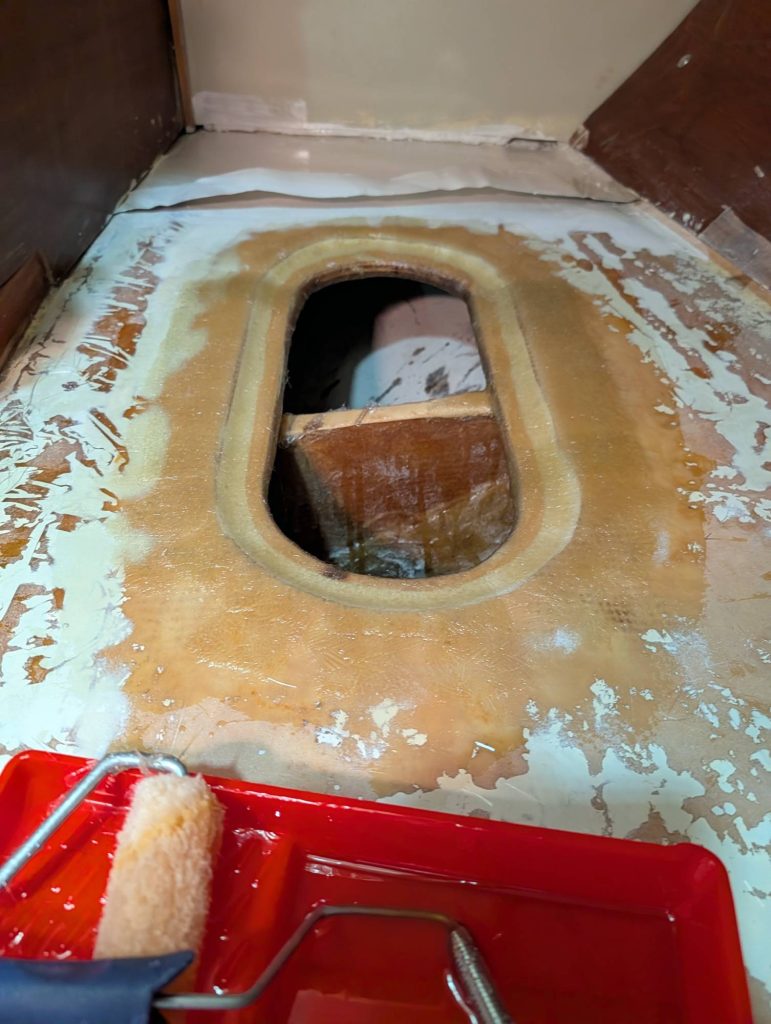
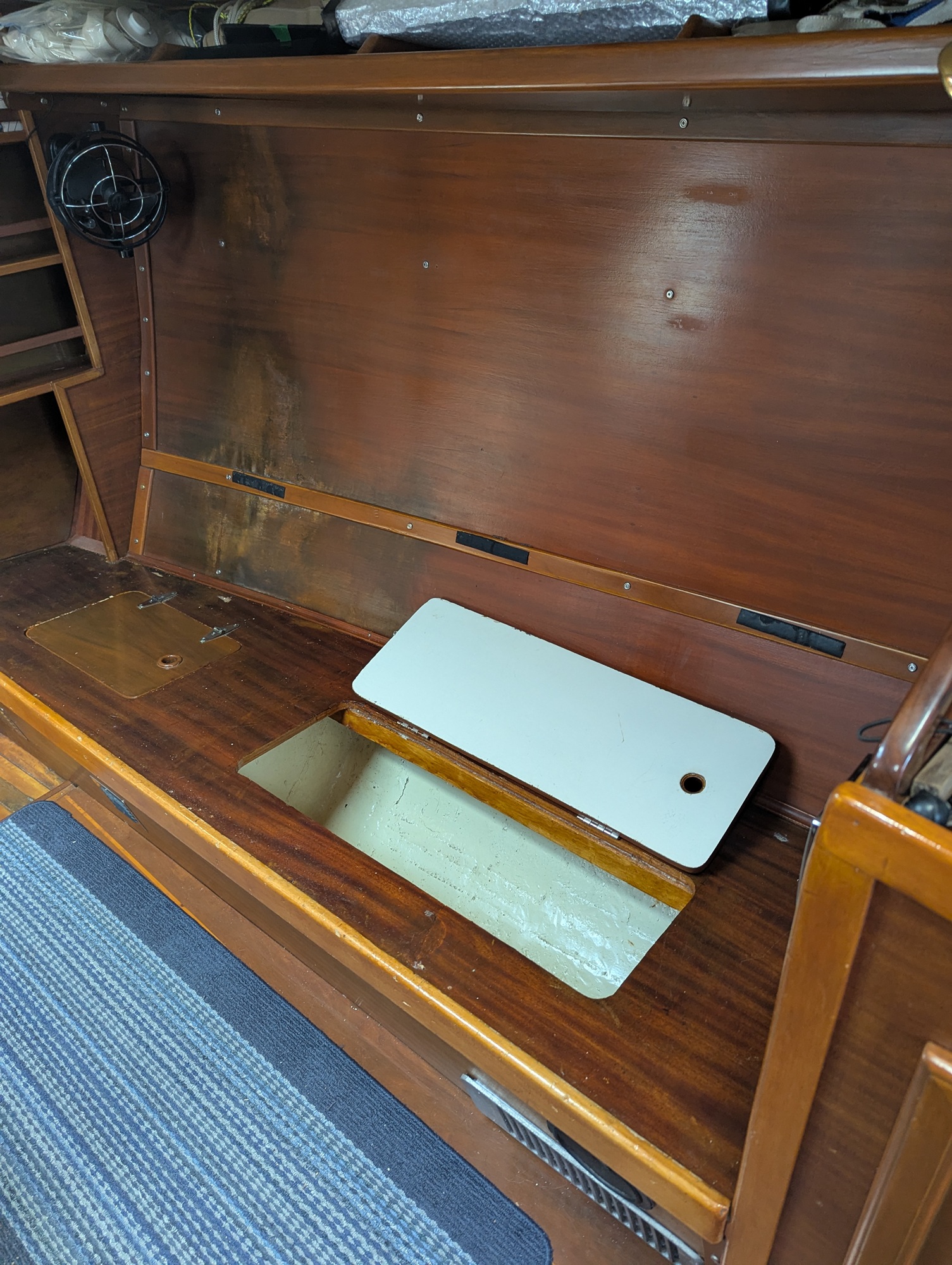
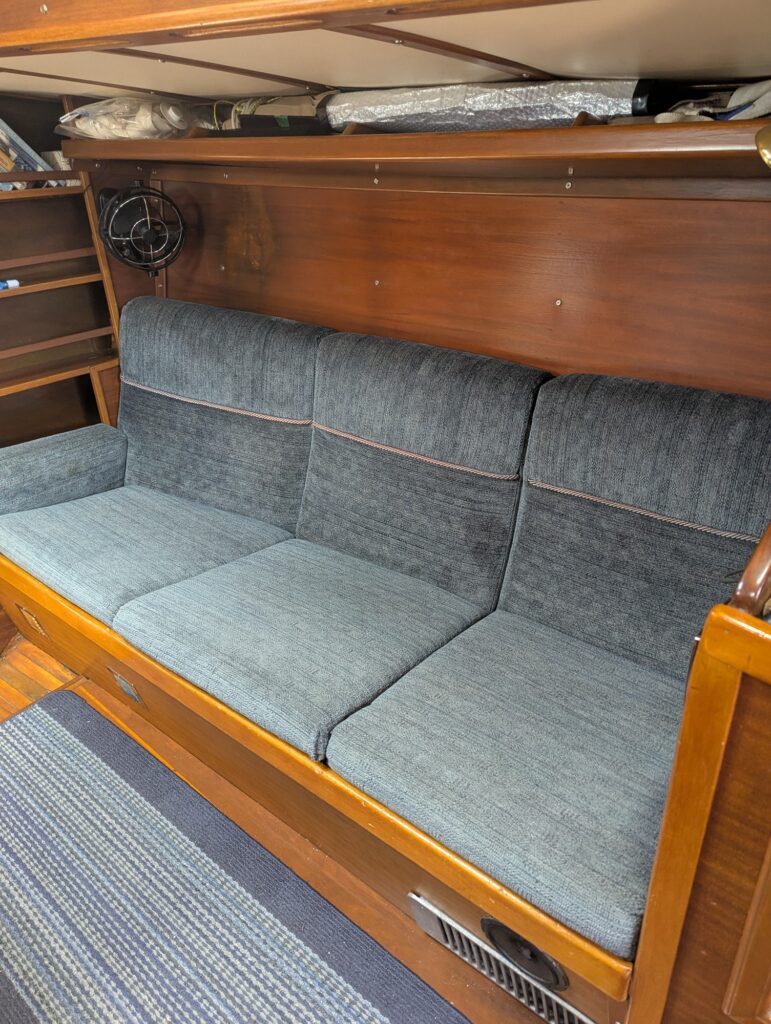
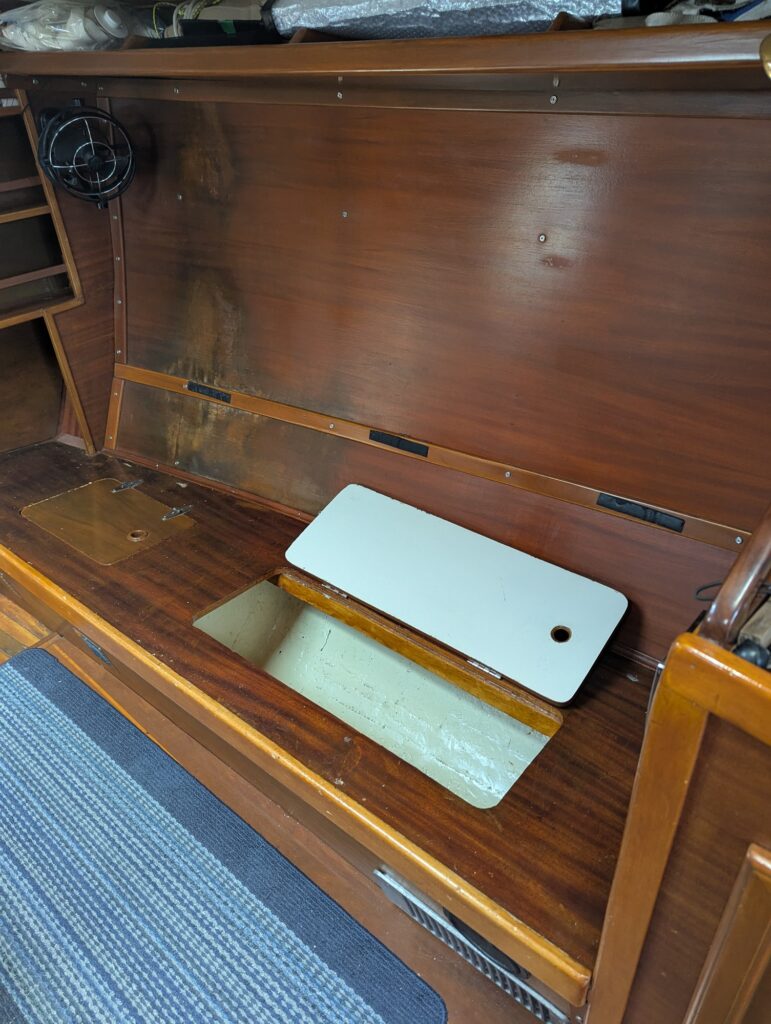
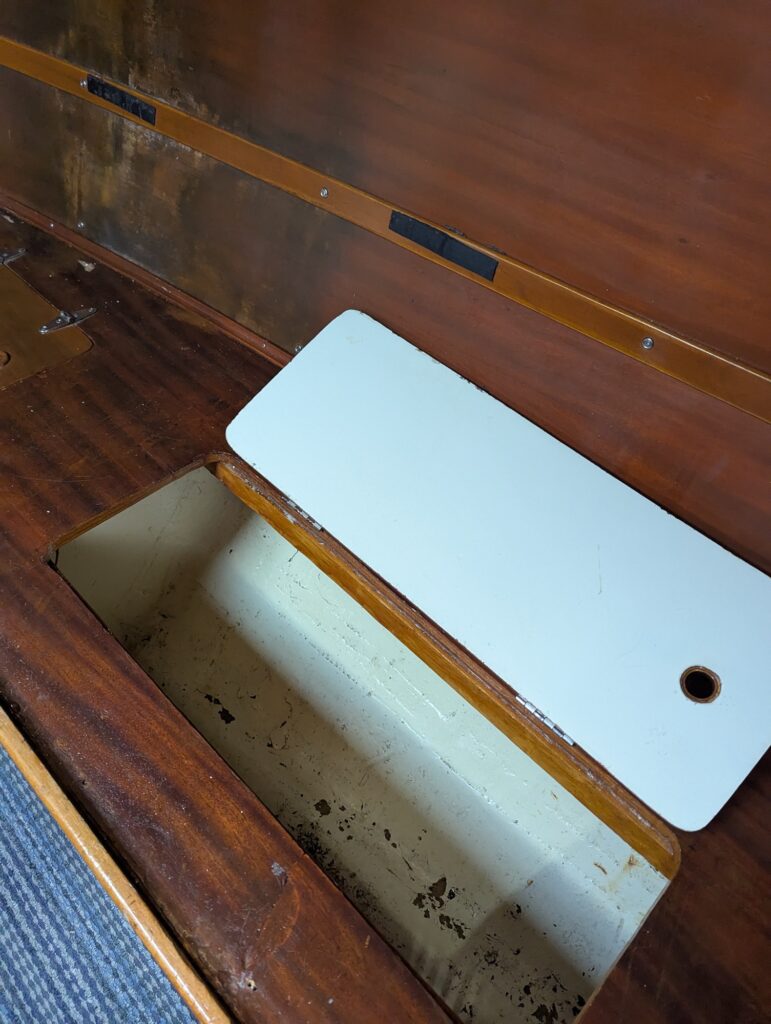
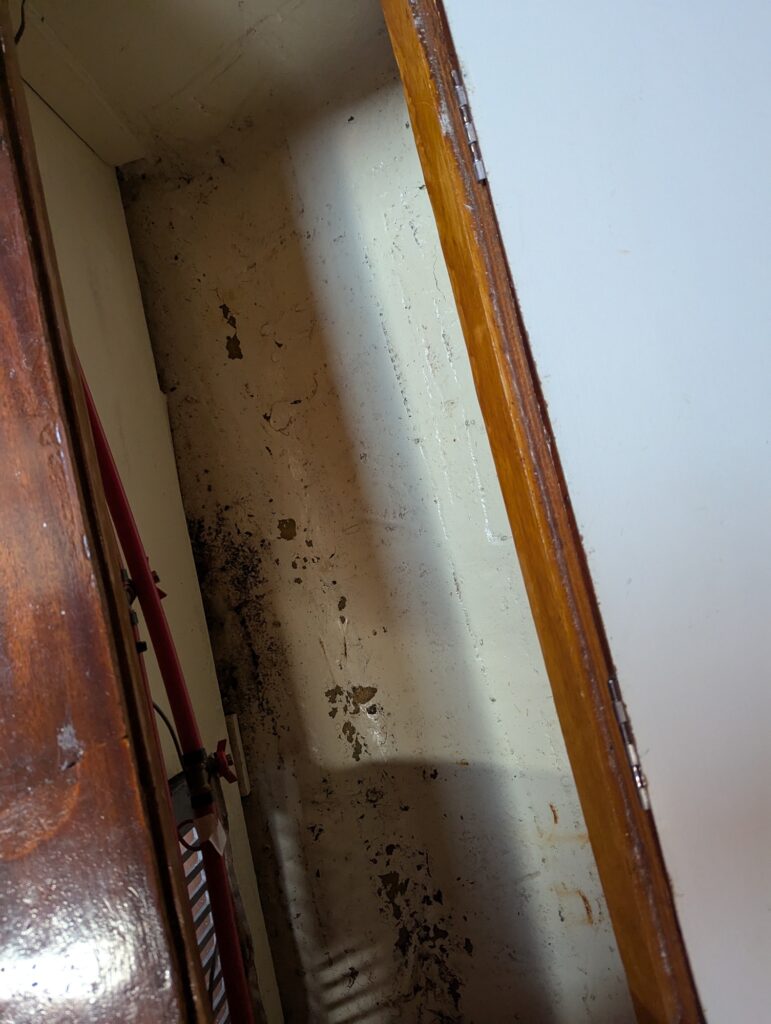
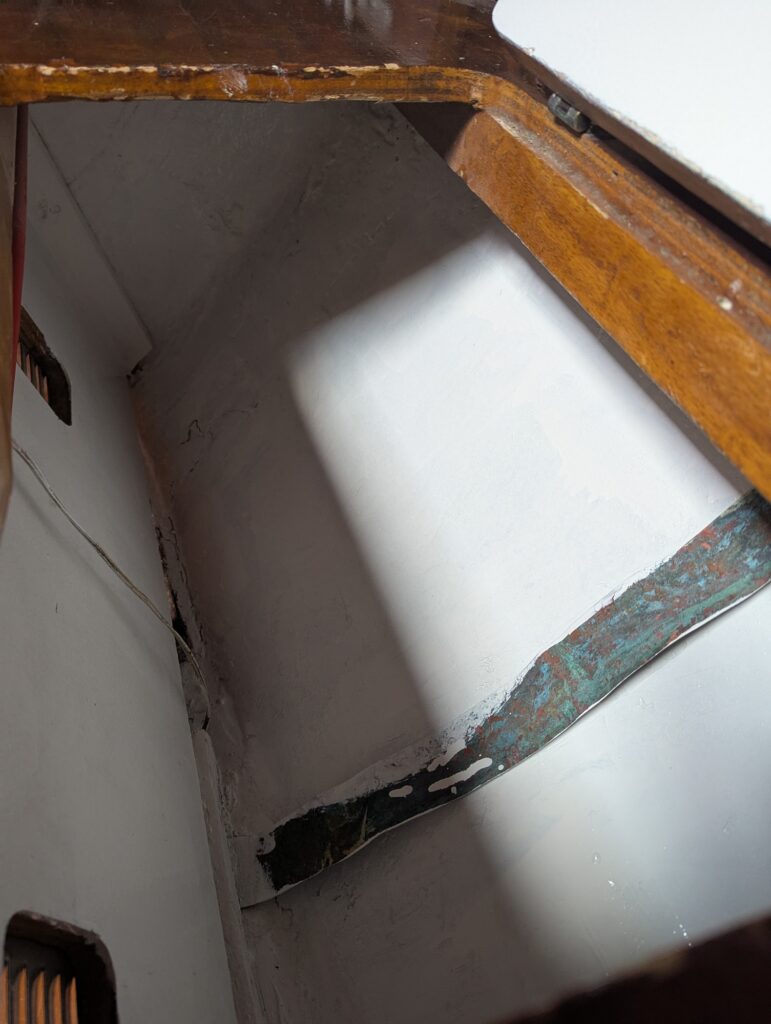
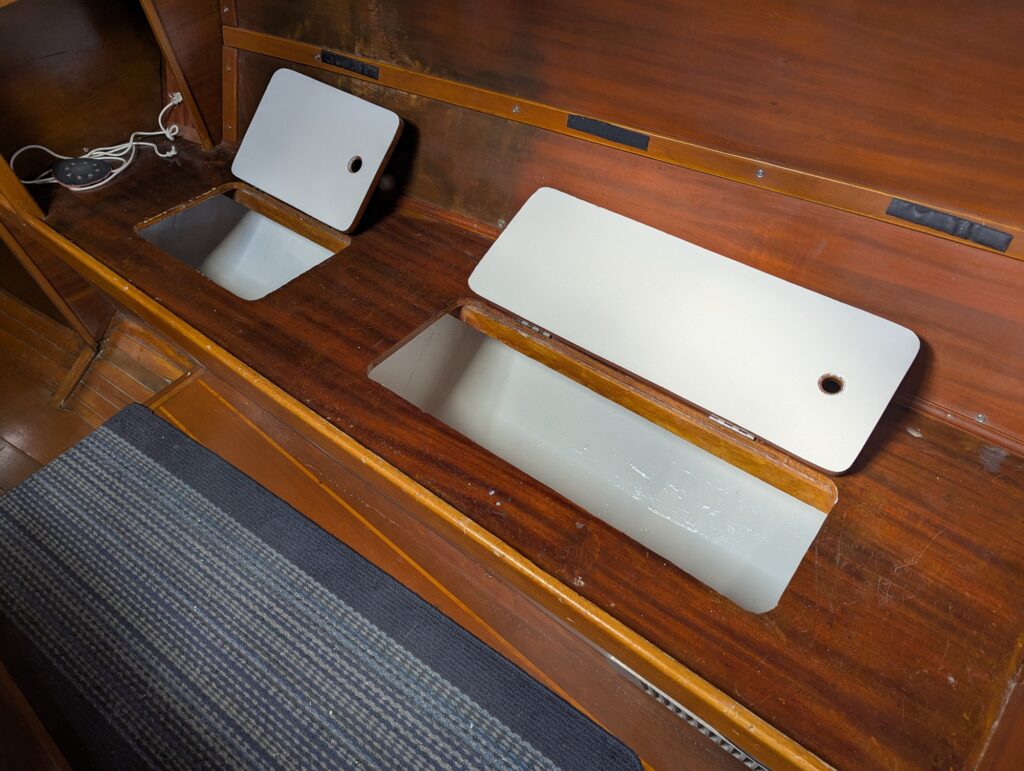
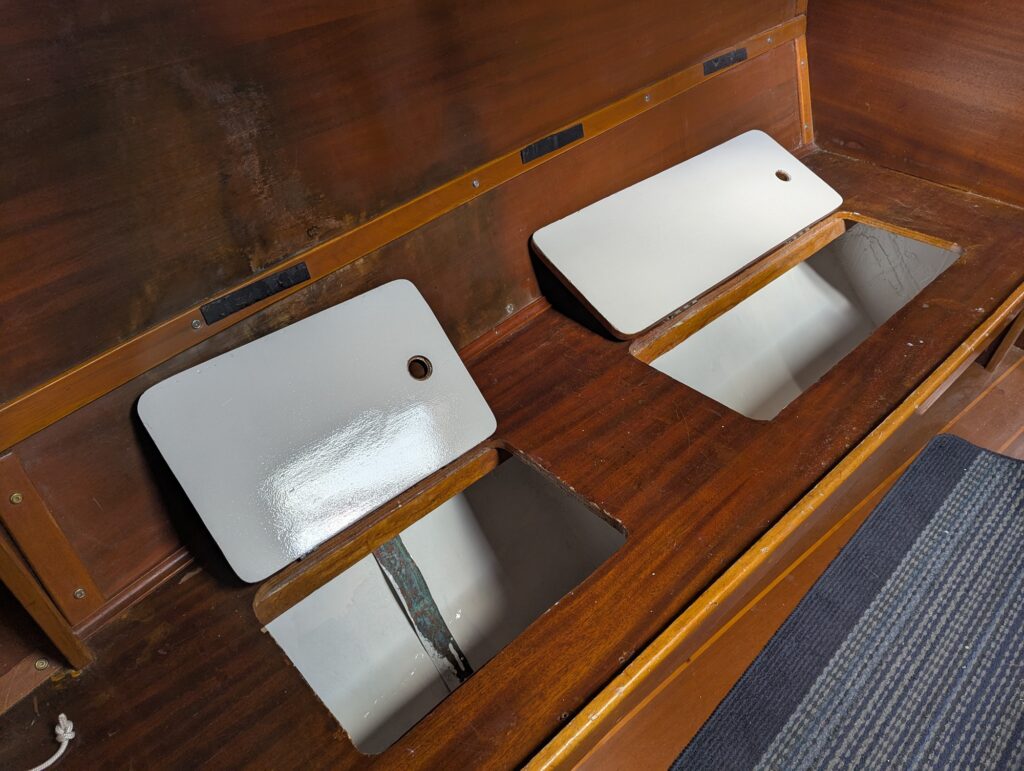
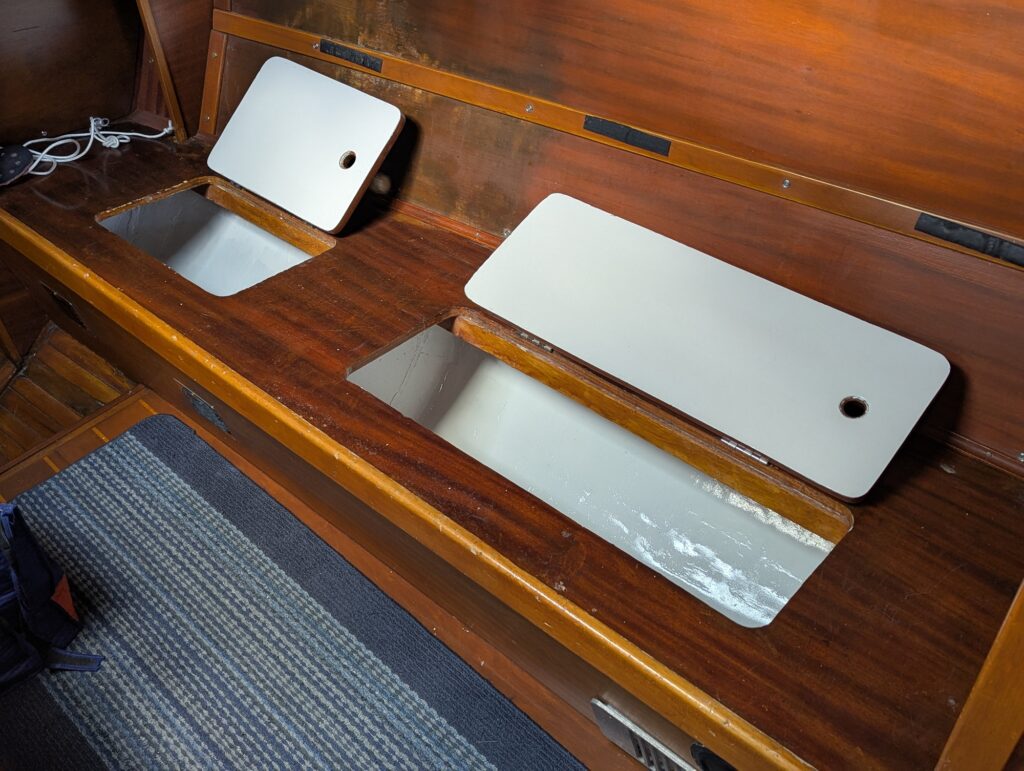
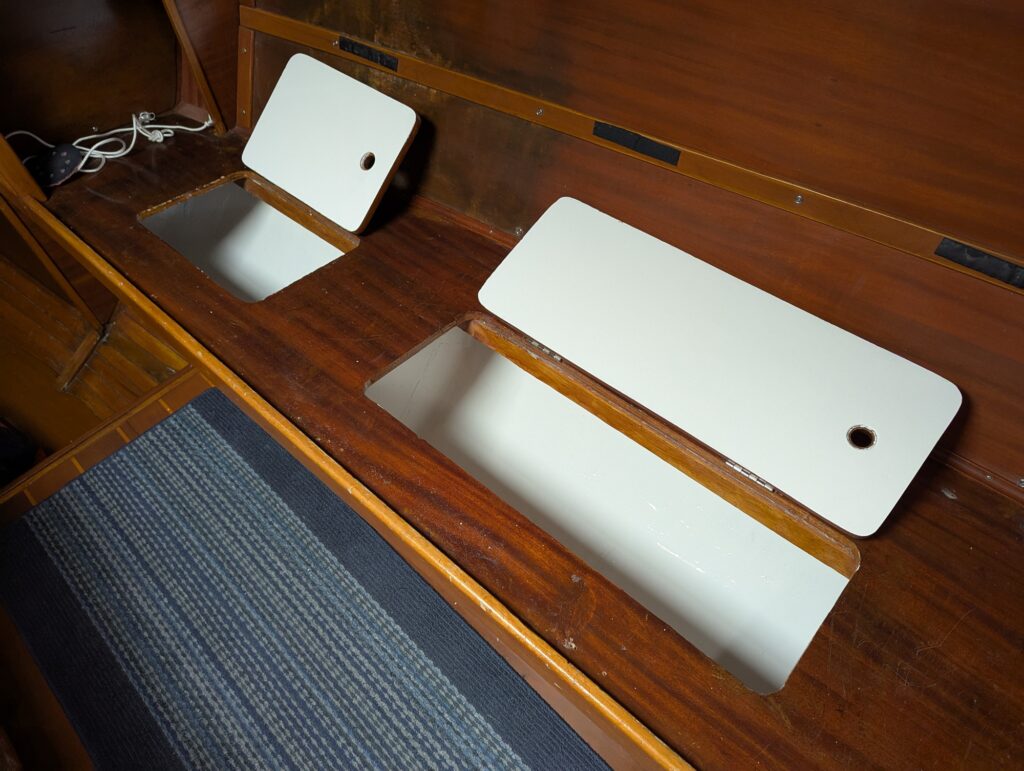
    When we first saw Isola Naida, we were quite content with the finishes and workmanship onboard. Is she the most beautiful boat in the world? No, but she was in good shape that and just needed to be maintained. We’ve had Isola Naida for a few months now and just like owning a home, we’ve found some things that we would like to improve upon to make her our own. The first project on our list of boat work cleaning and refinishing under the salon settee. This is the Starboard Settee Storage Project.

    Before

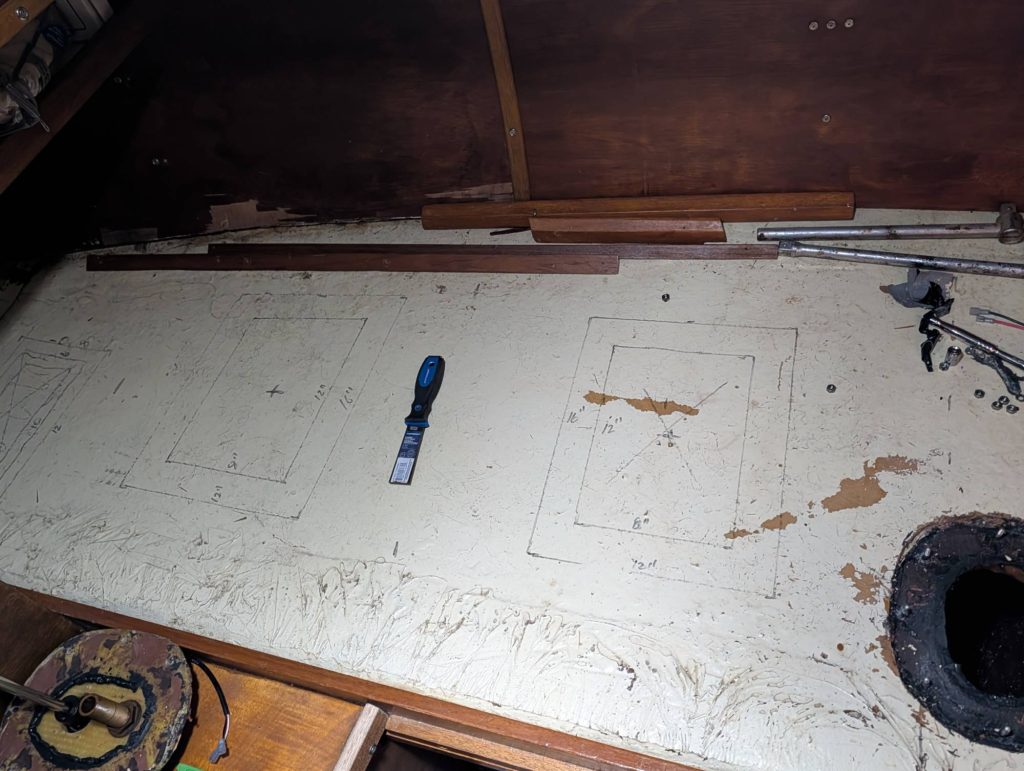
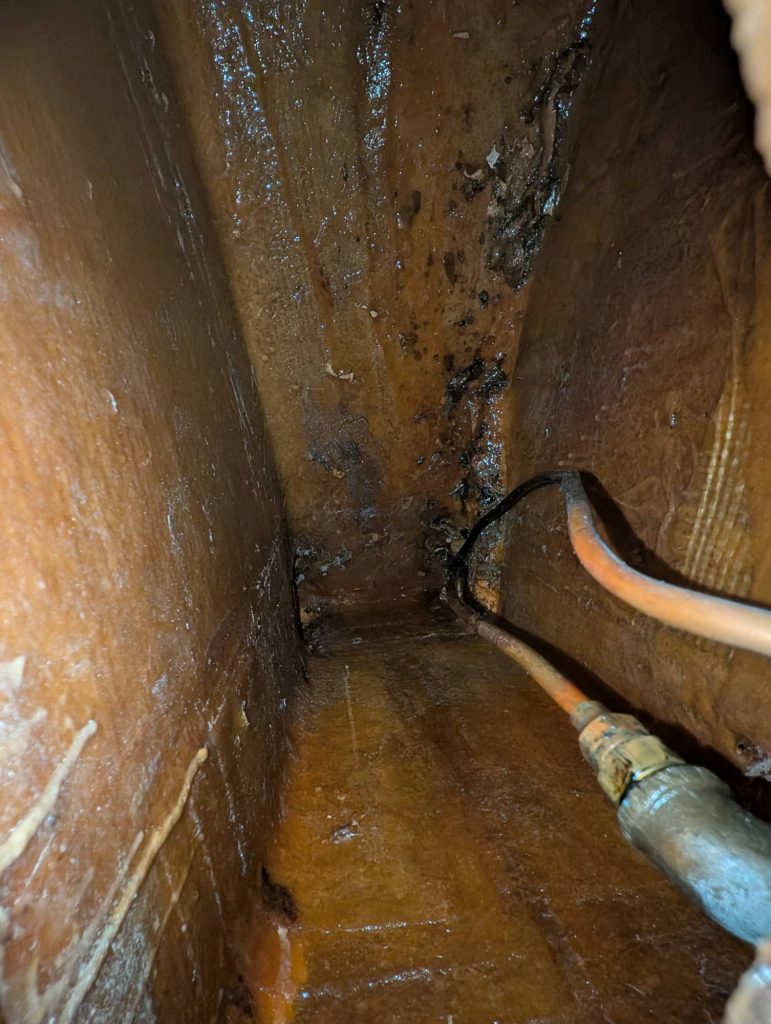
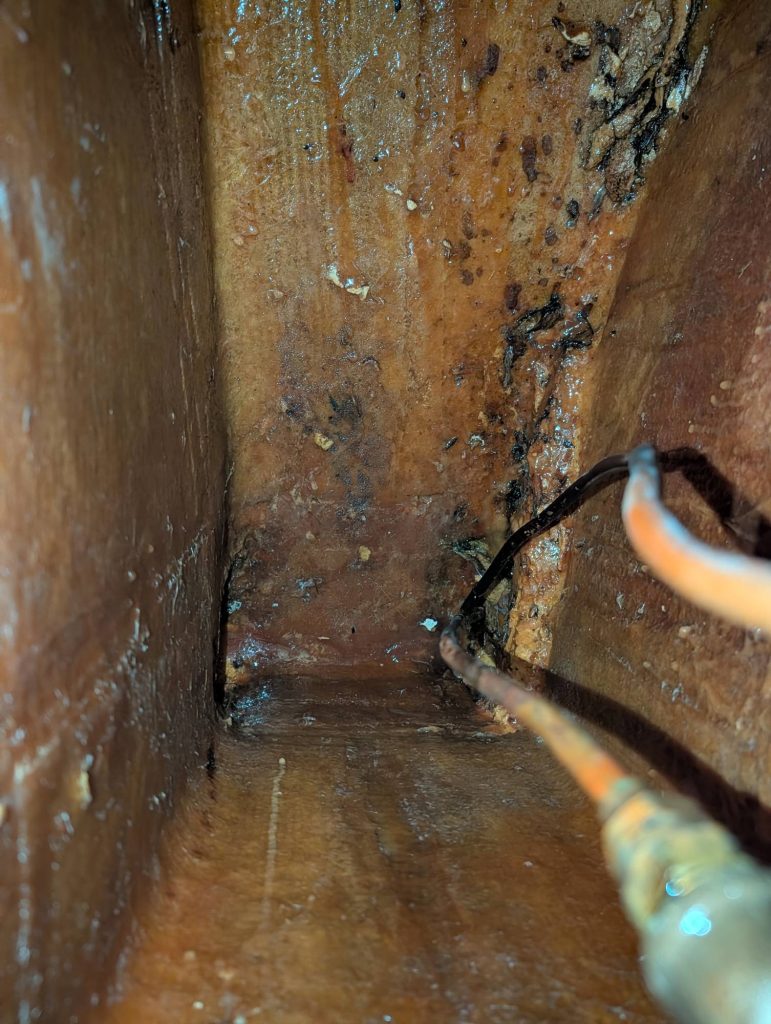
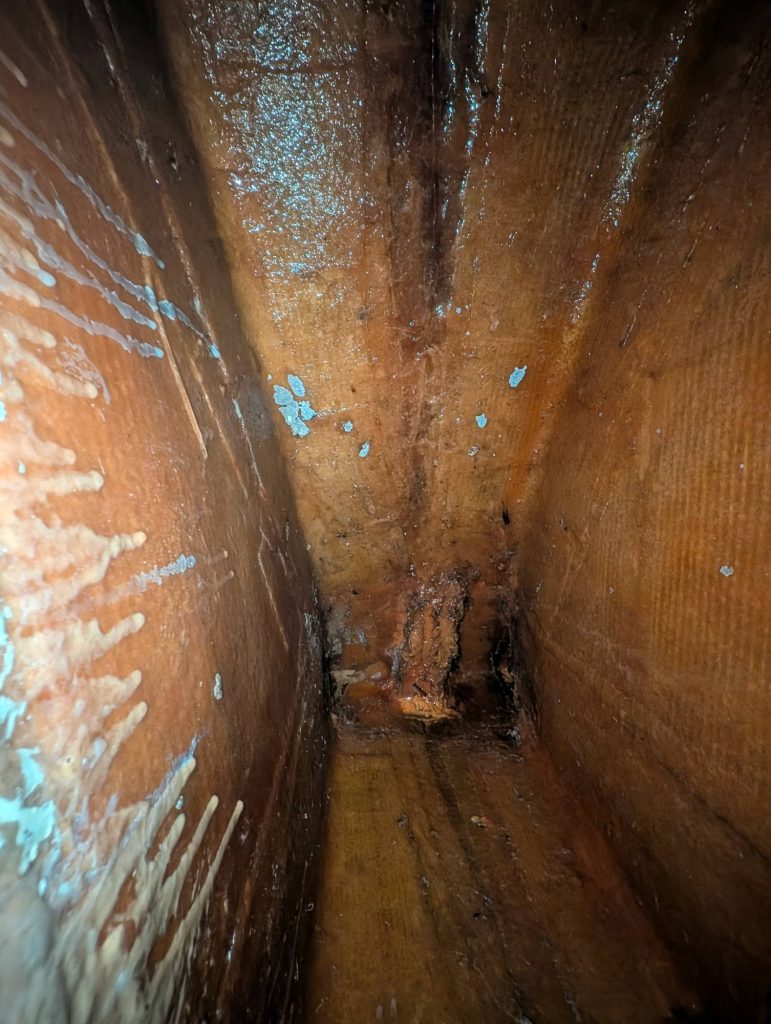
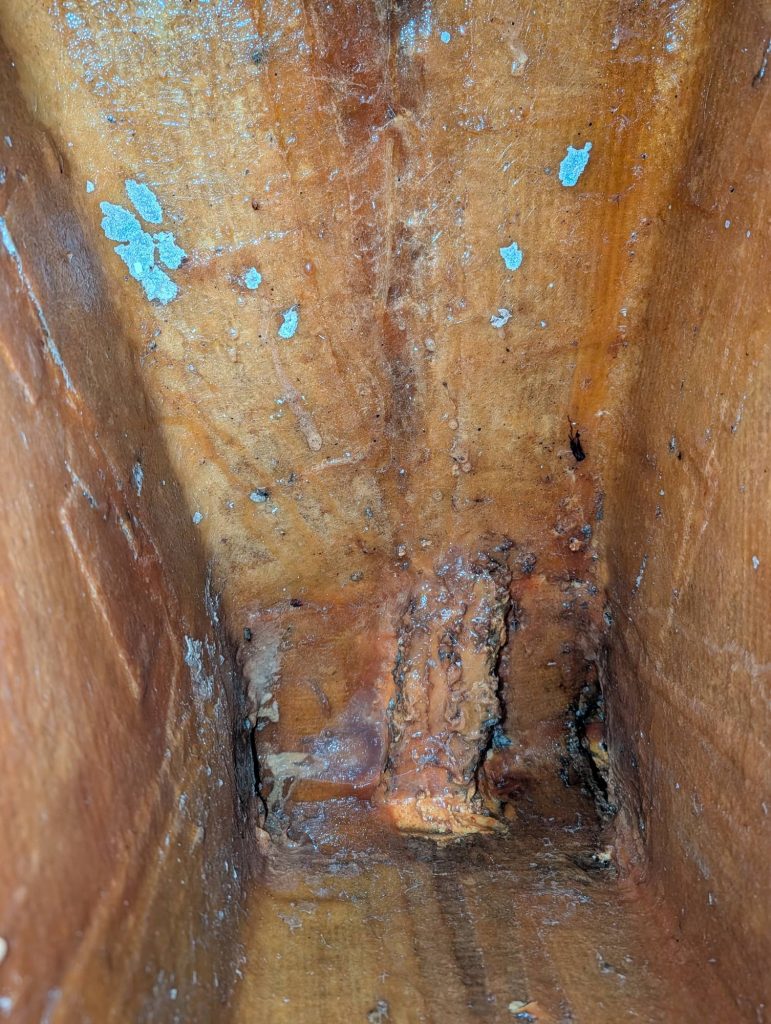
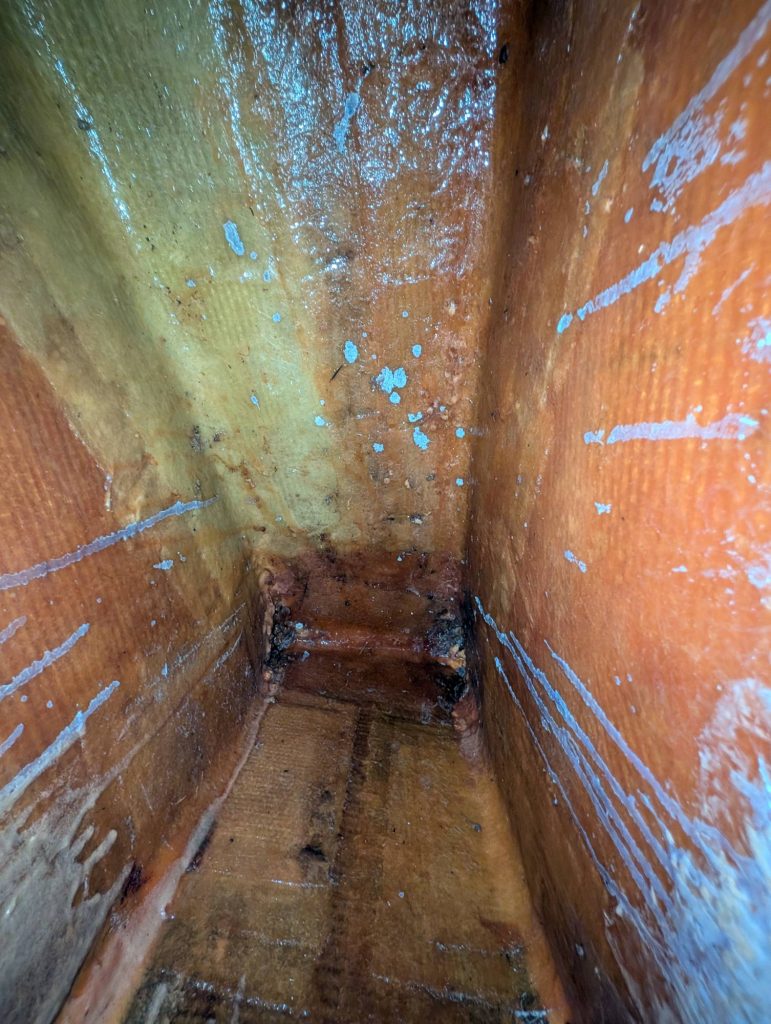
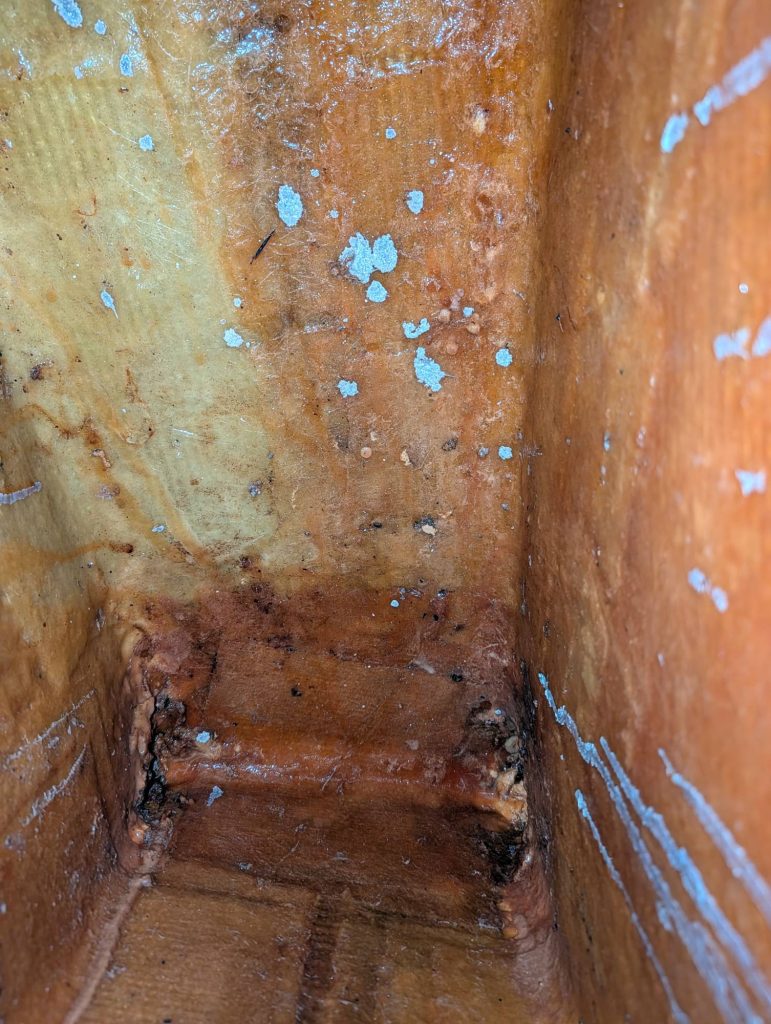
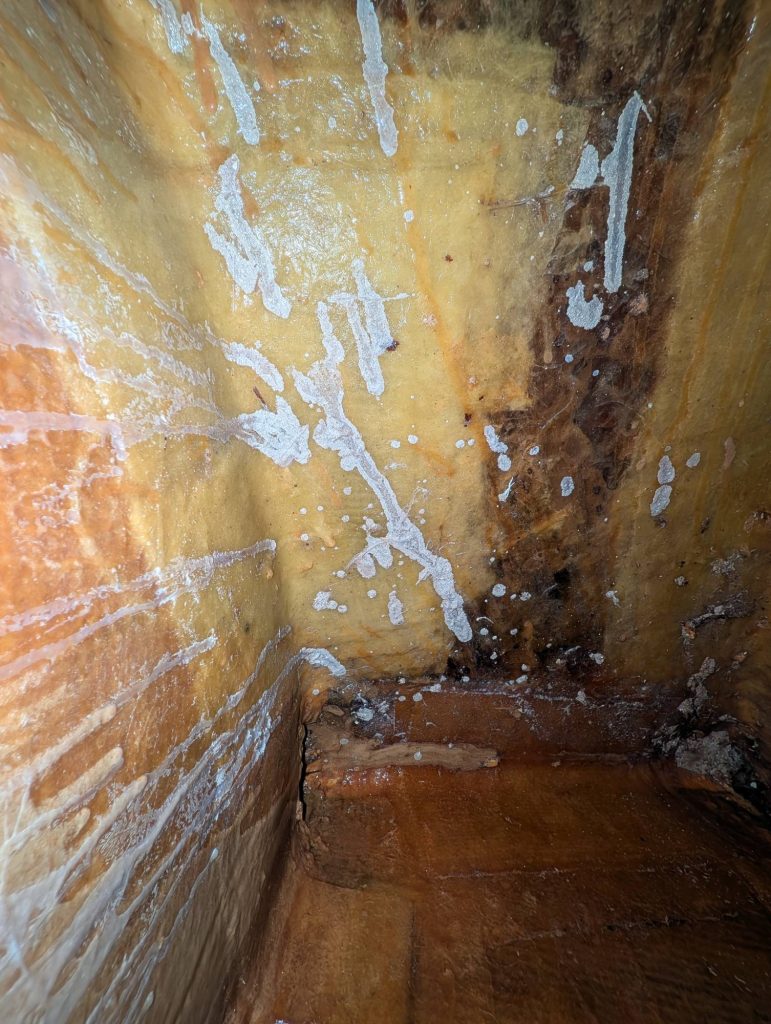
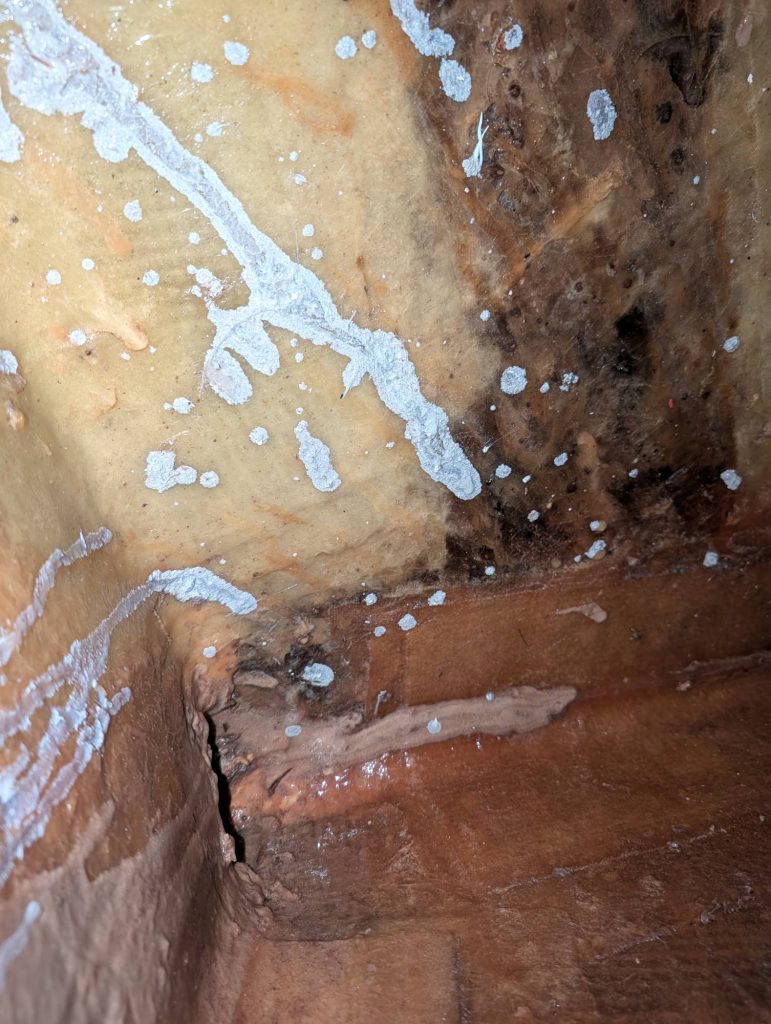
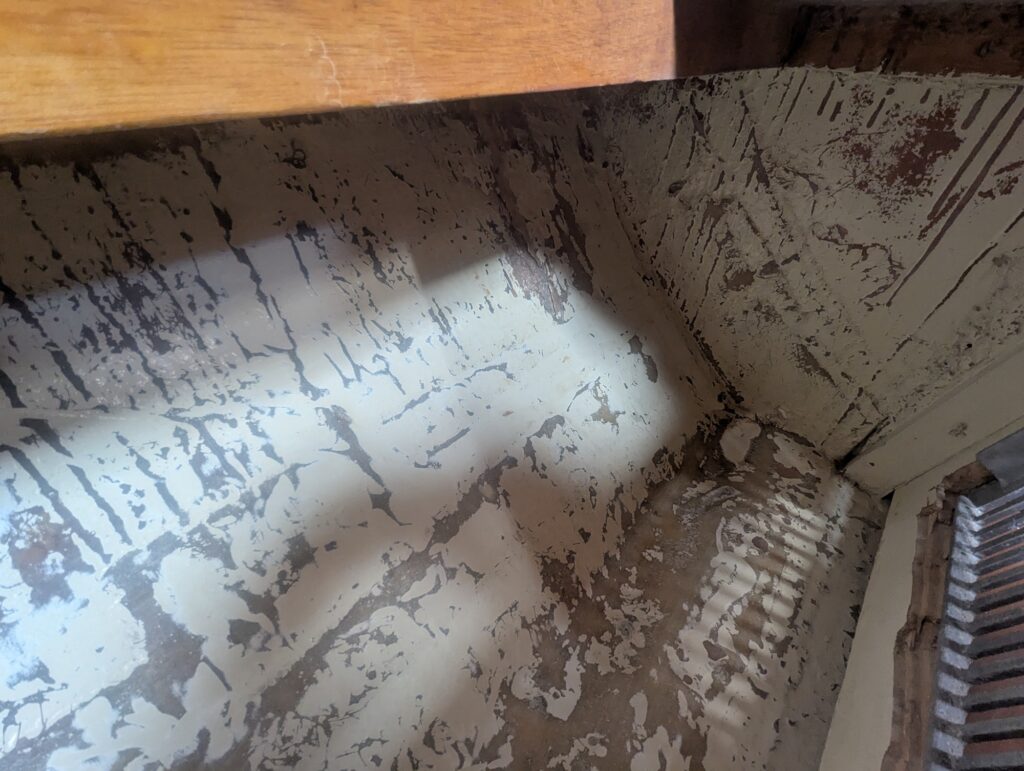
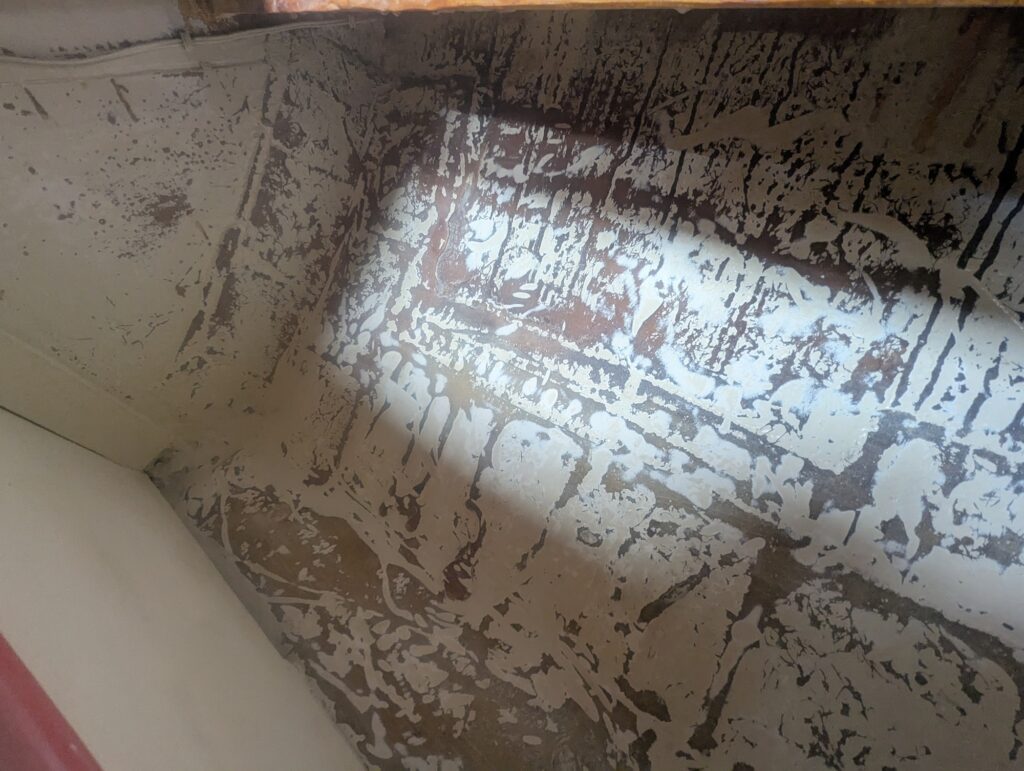
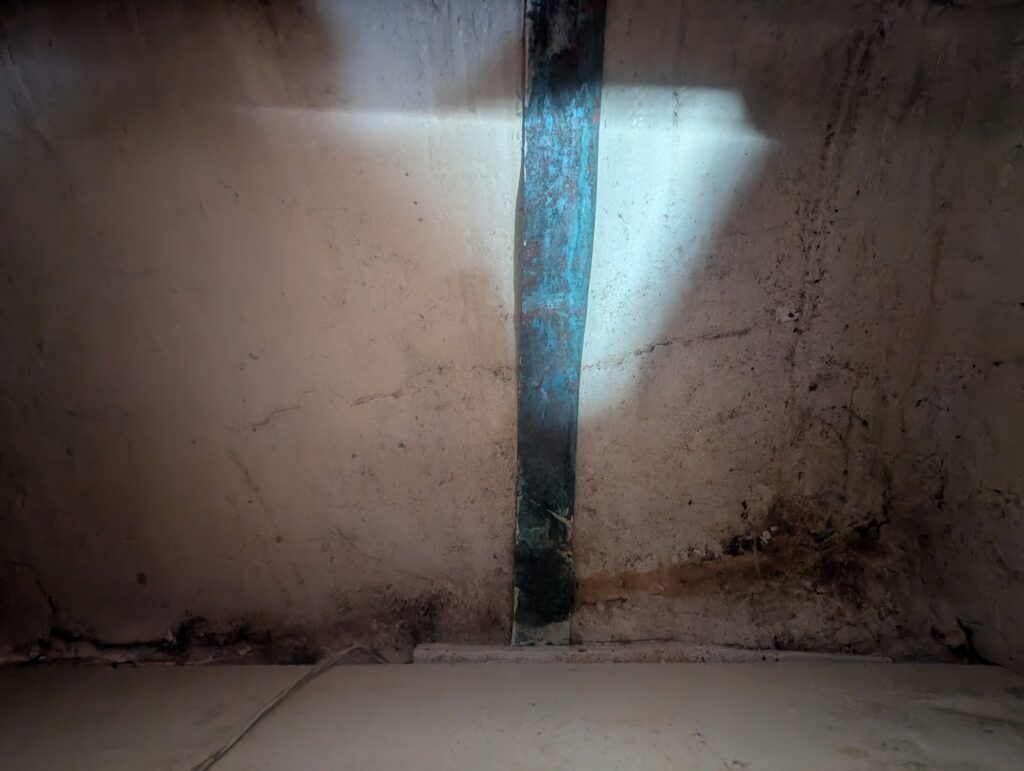
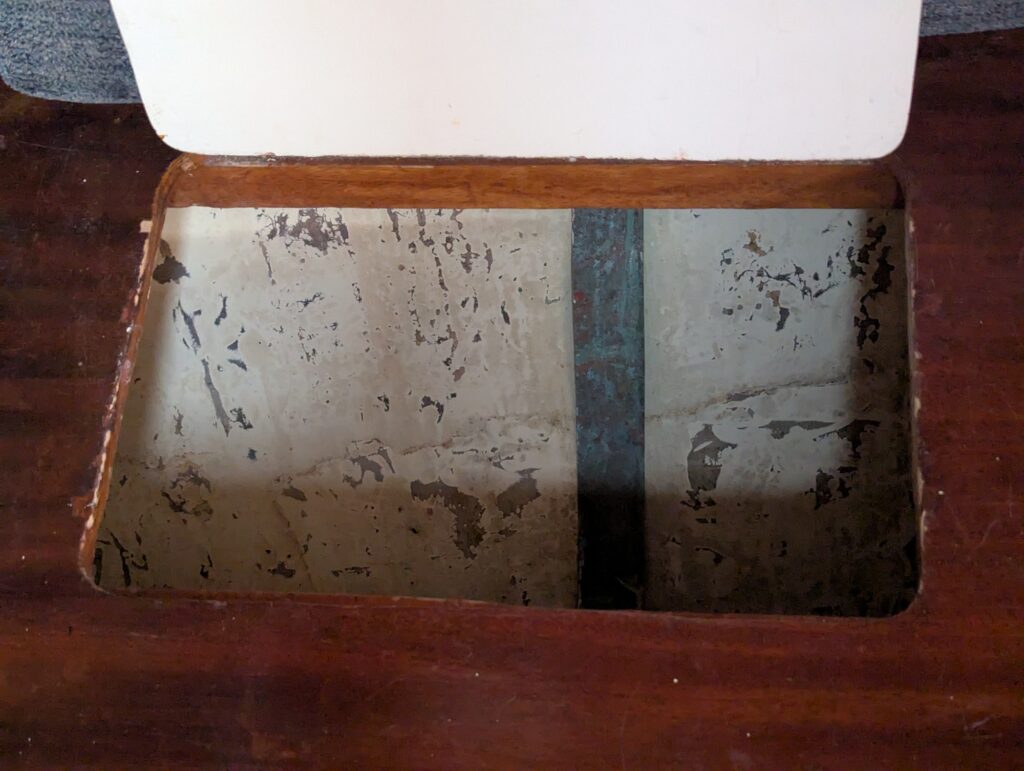
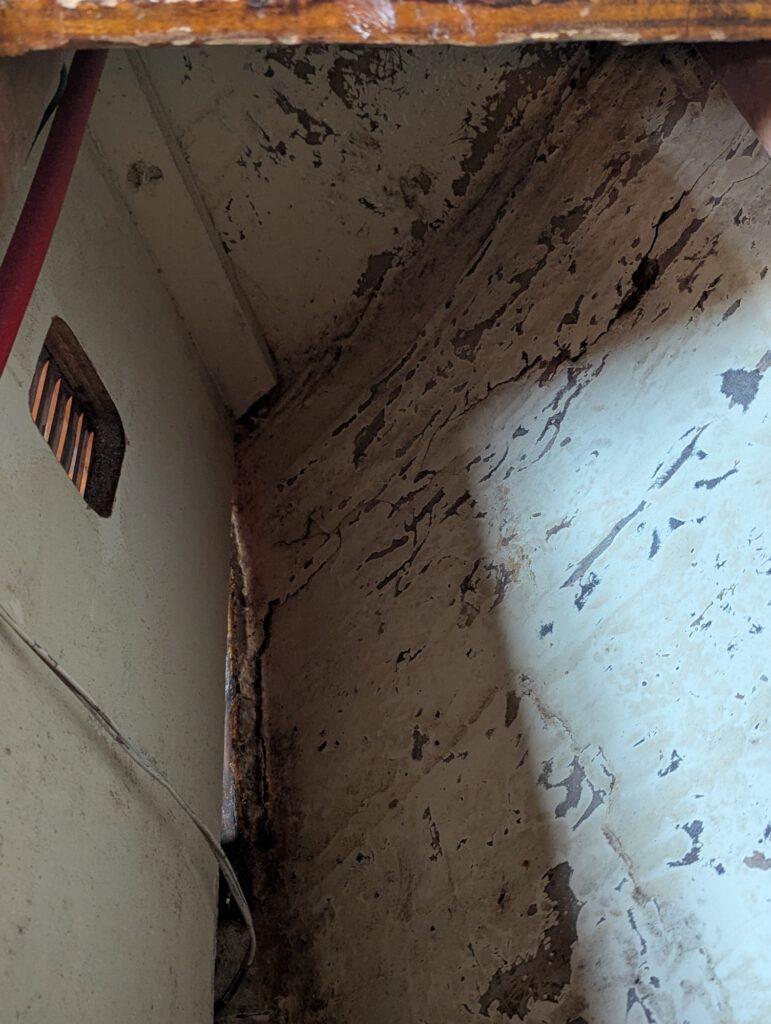
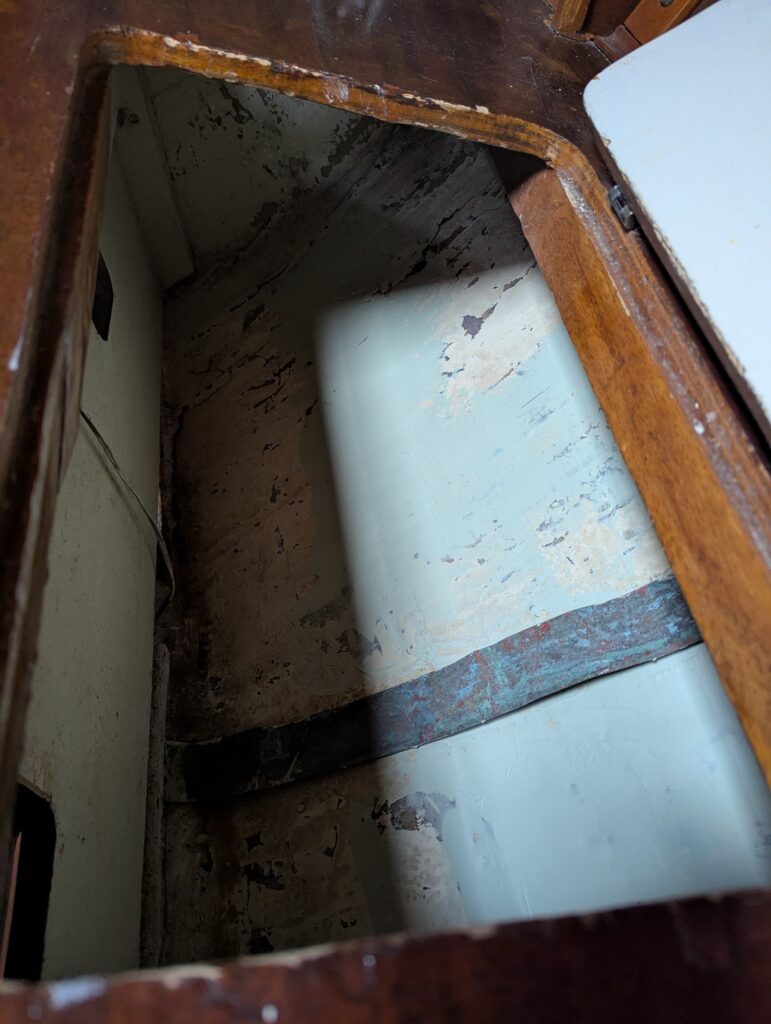
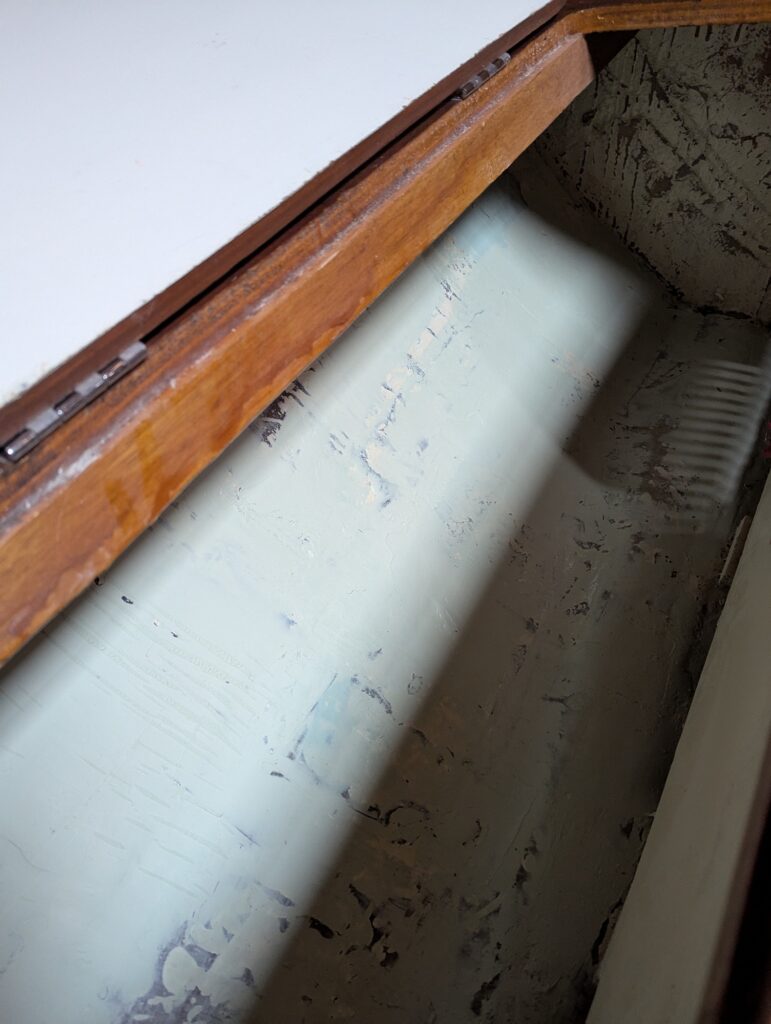
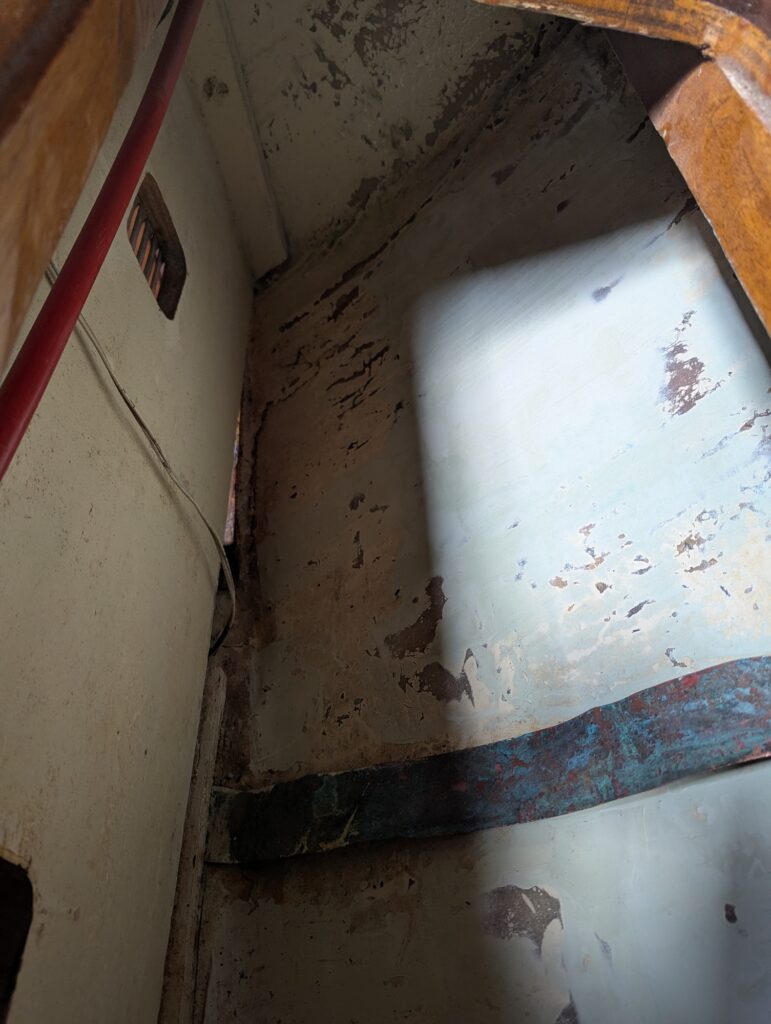
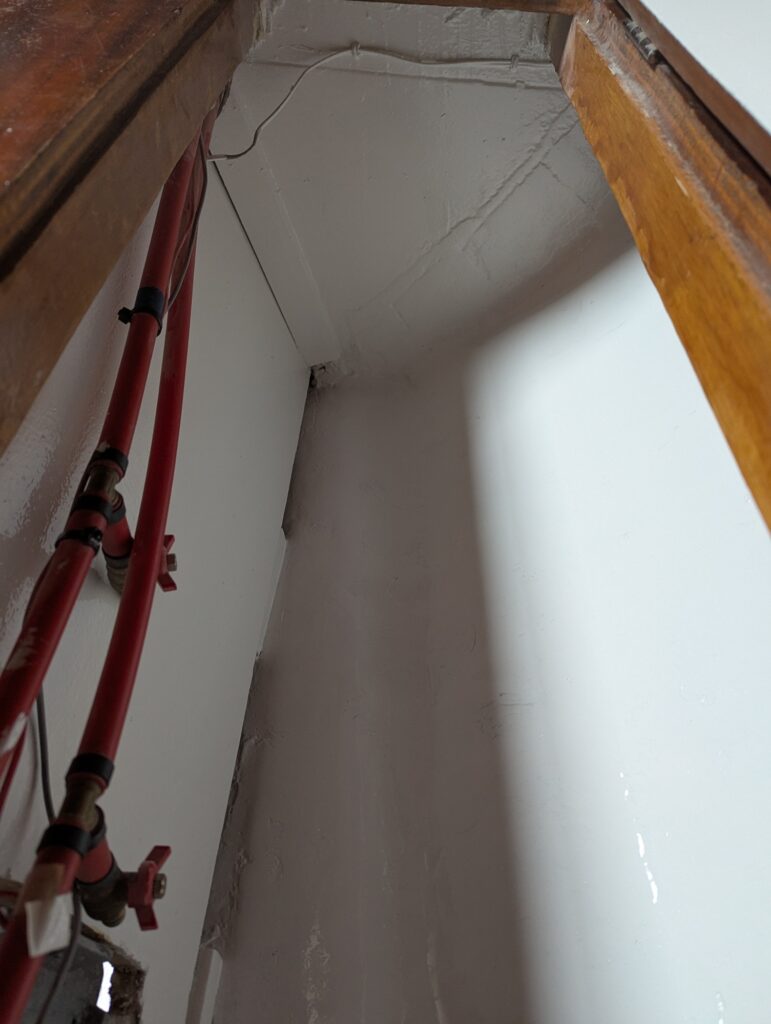
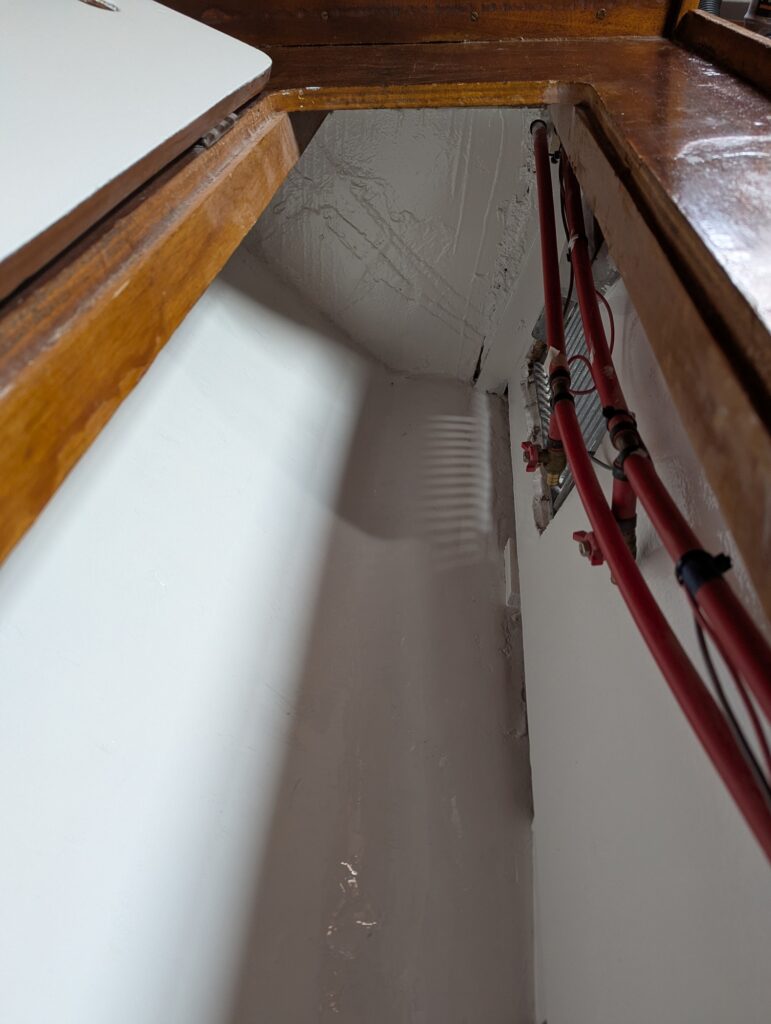
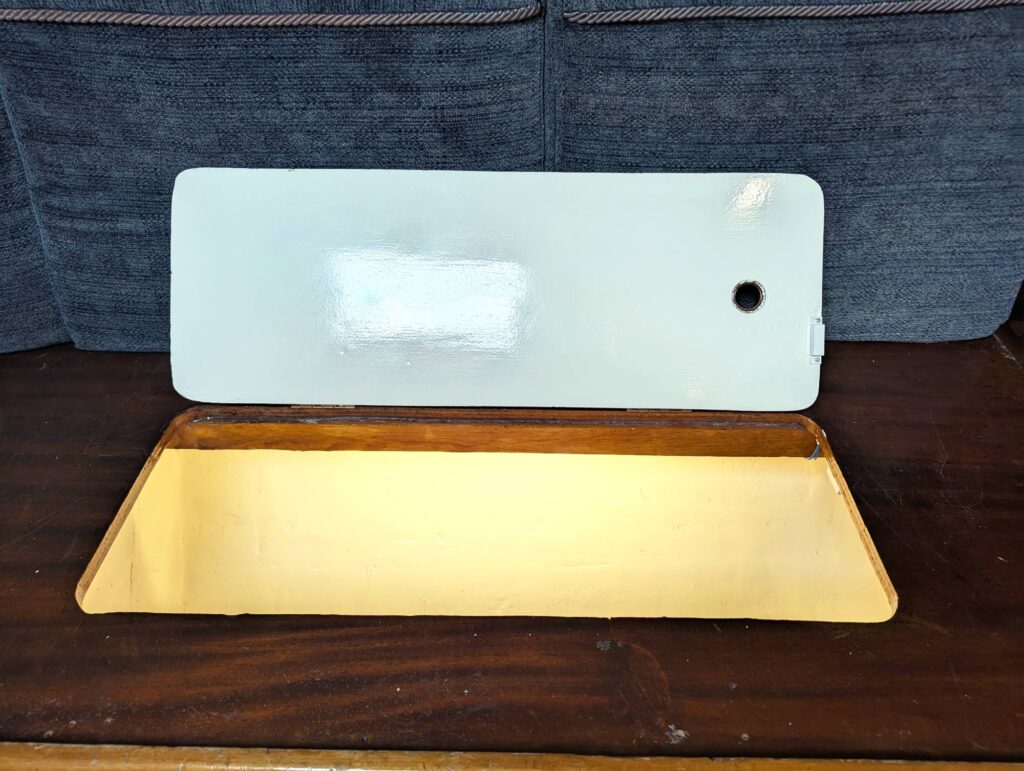
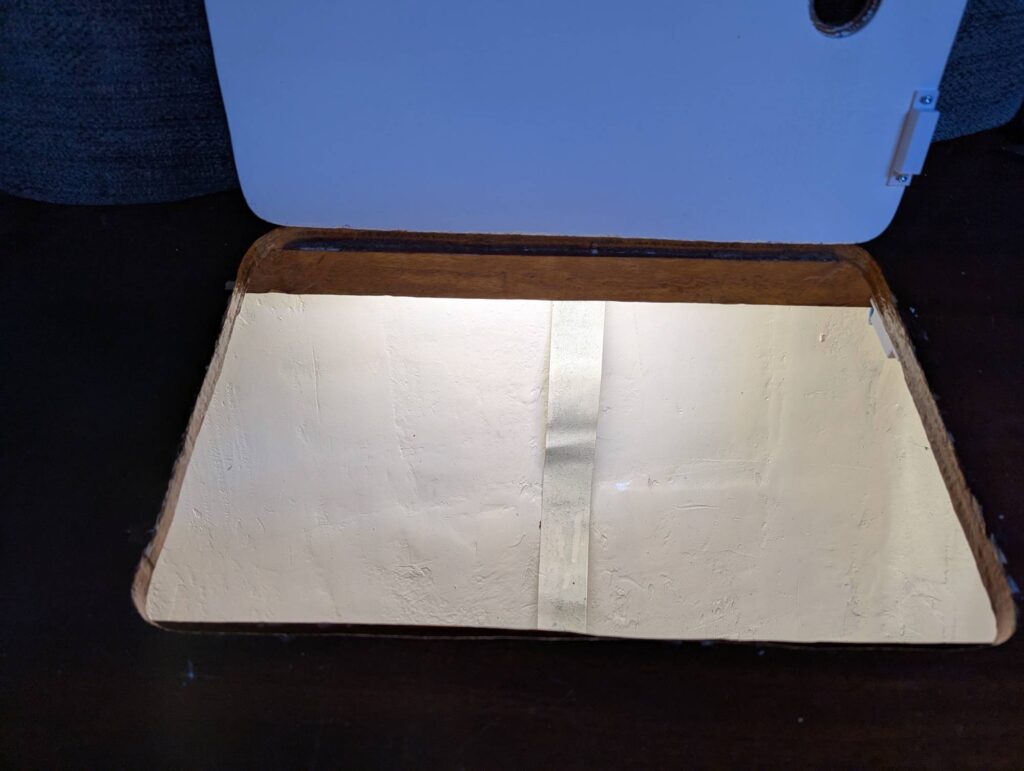
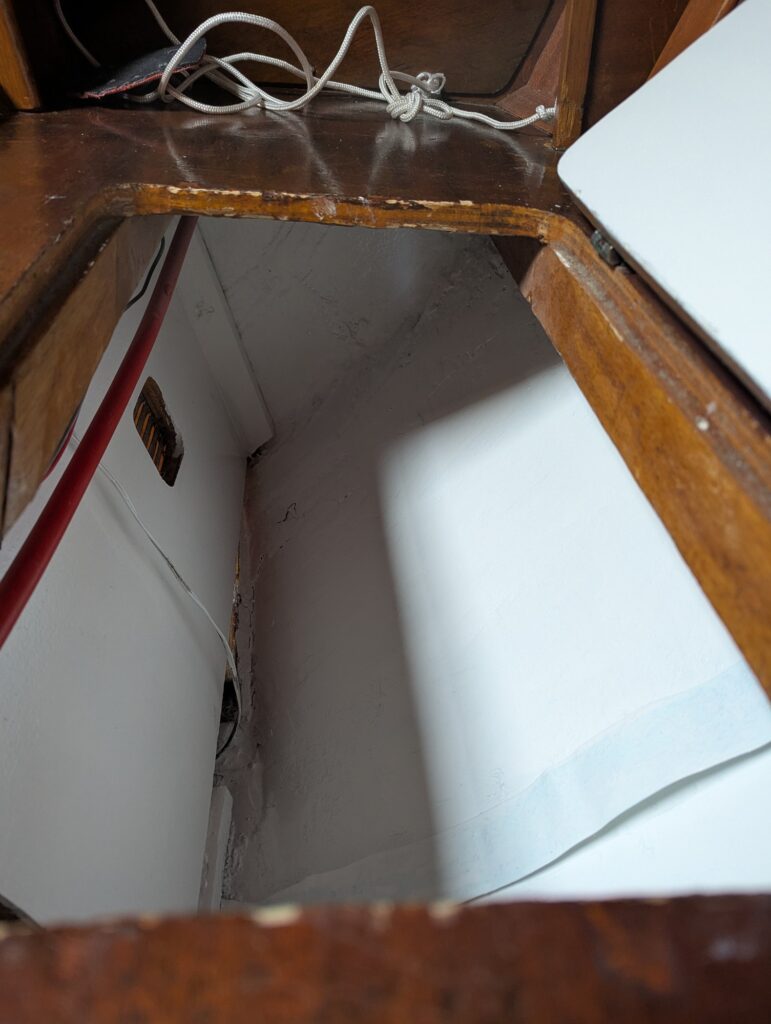
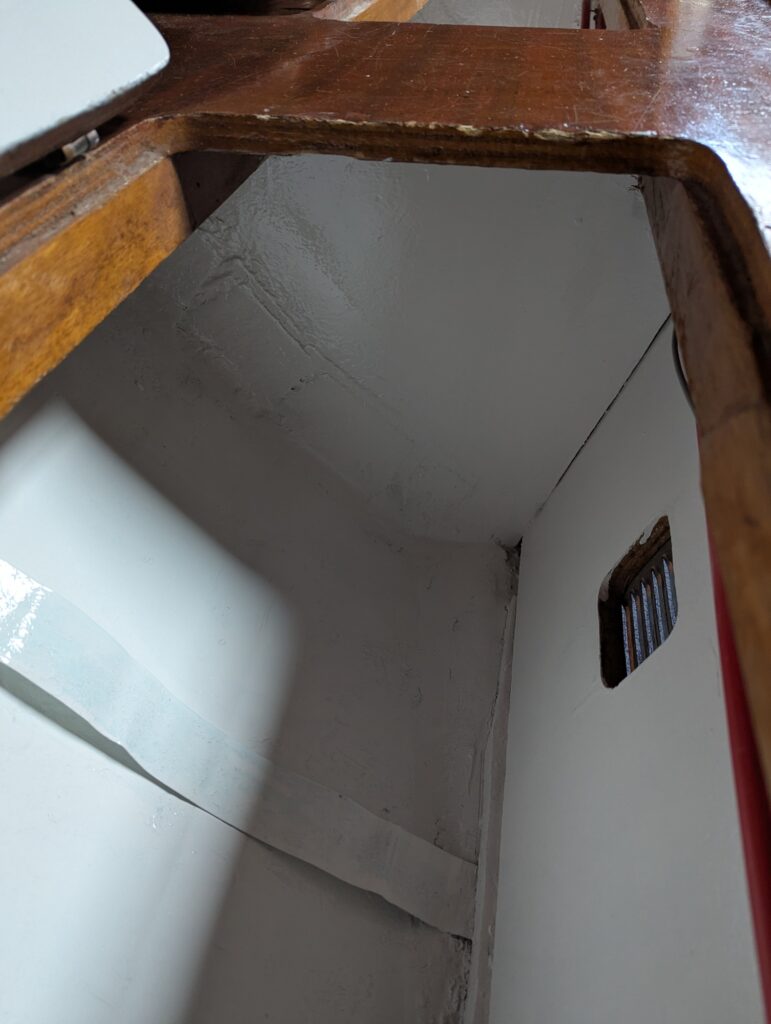
    Under Isola Naida’s salon settee, like many boats, is a storage space directly on top of the interior of the hull. Hull interiors are often left in a state of finish that is livable but not refined. The inner layer of fiberglass cloth tends to cure with dimples. The builder may have spilled resin that cured in globs and were never sanded smooth. None of this is an actual concern – it’s not meant to be seen, so who cares, right?

    Step 1: Sanding

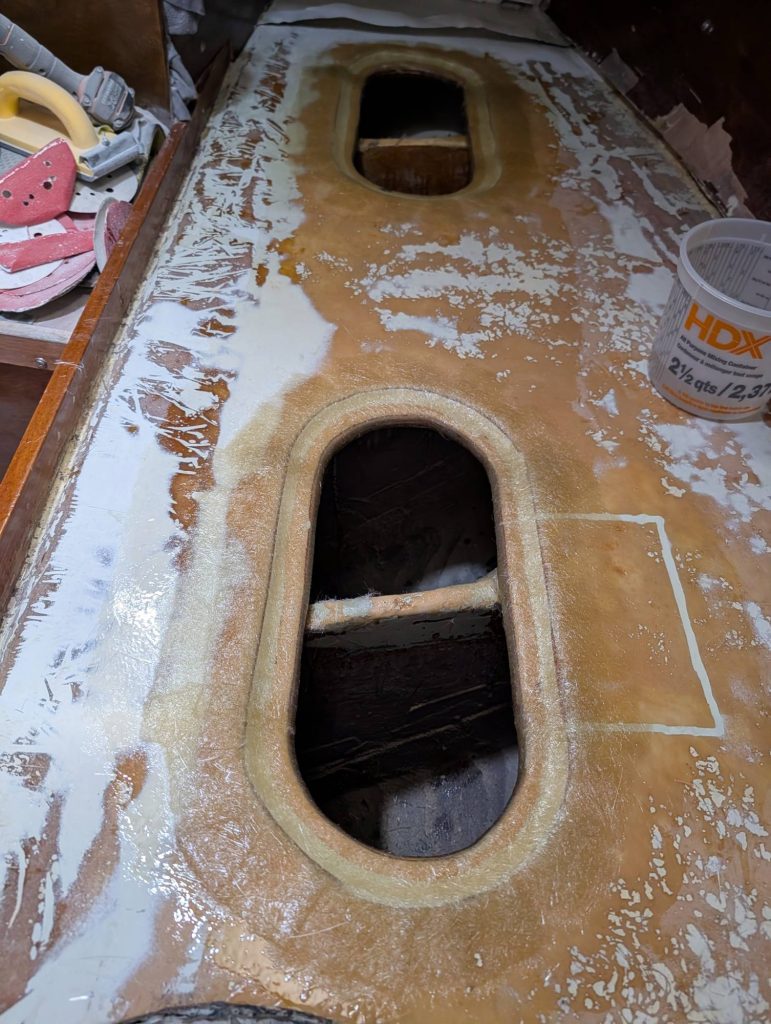
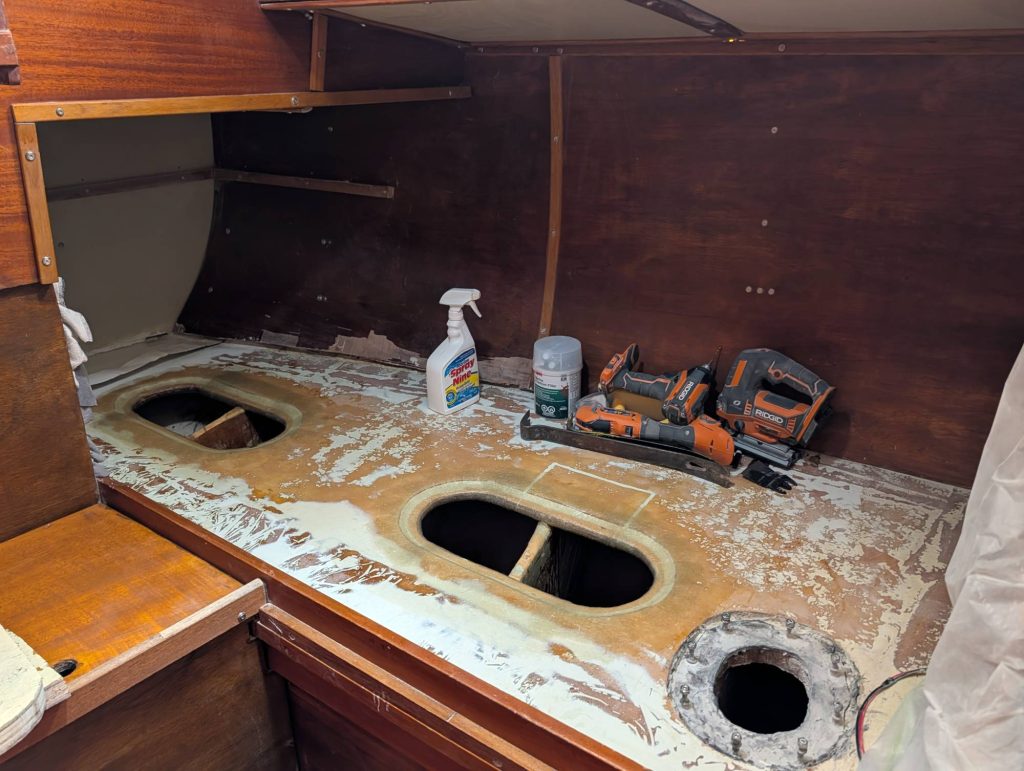
    On 15 August, D’Arcy was aboard Isola Naida to being the process of sanding. Being on the mooring ball and having to rely on the house batteries and solar system, we hoped that we would be able to avoid needing power sanders to complete this project. Hand sanding did surprisingly well, but the process would have taken multiple days to get anywhere near the finish we would like. To make matters worse, the small Shop-Vac was onboard didn’t contain a filter – something we should have checked for before using it – causing the vacuum to blast sanding dust throughout Isola Naida.

    D’Arcy returned a few days later with with a random orbital sander and a his personal shop vacuum. We weren’t sure how much the vacuum or the sander would draw on the electrical system, all we could do was monitor the use and stop if required.

    We quickly discovered that the shop vacuum and the orbital sander combined caused too much draw causing the breaker to the inverter to trip. So began the process of running the sander then quickly switching to the vacuum to collect as much dust out of the air as possible.

    Step 2: Fairing

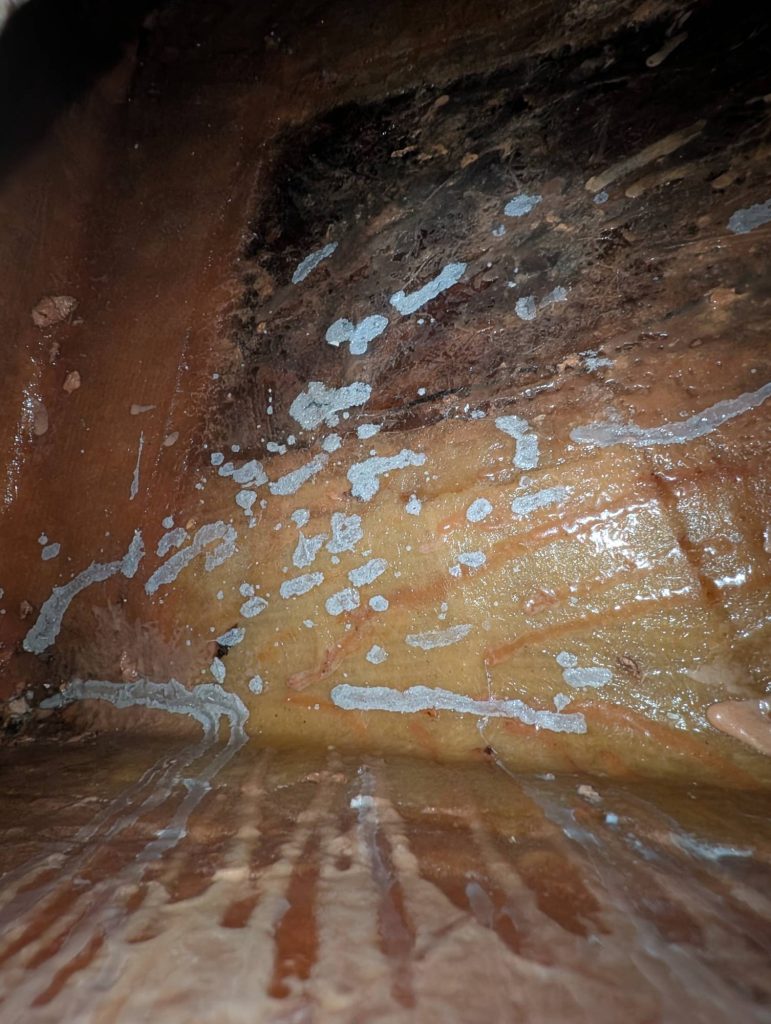
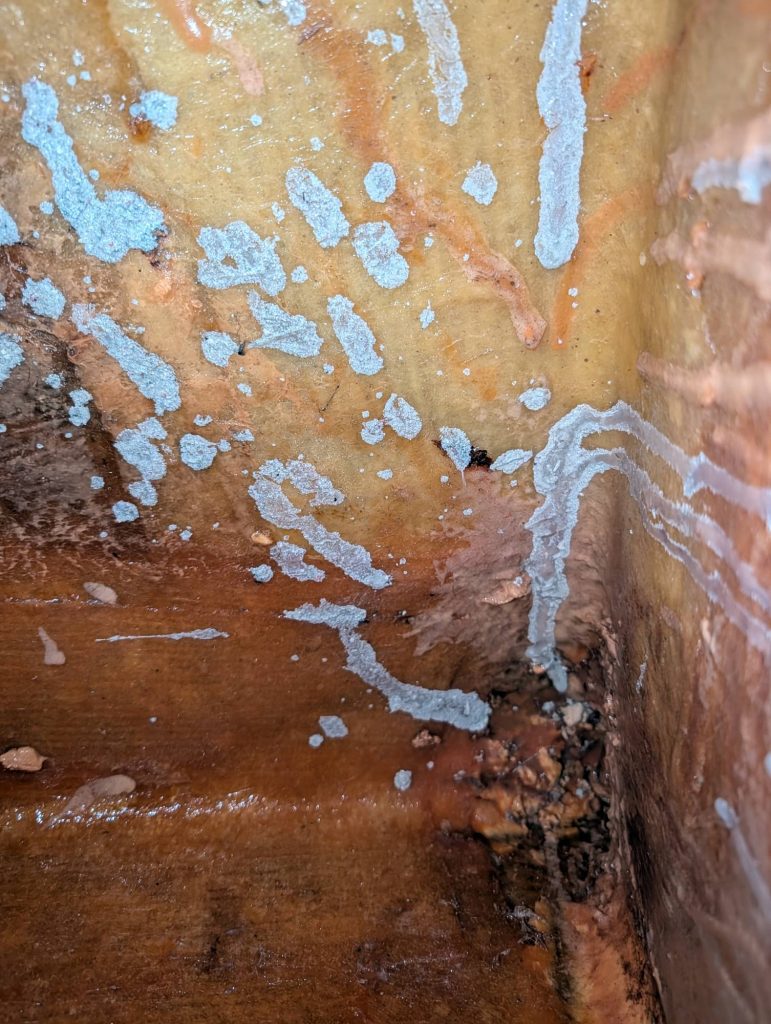
    It took a few days to get back to the project between working, racing, and other responsibilities. On 29 August, D’Arcy returned to Isola Naida to apply fairing compound to the inside of the hull in the storage lockers. We decided to use 3M Marine Premium Filler, both due to its availability locally and based on the recommendations from professionals.

    The filler is a two part mixture consisting of the filler product and a hardener cream, mixed in a roughly 50:1 ratio. Working time is less than 10 minutes, so it is important to only mix as much as you can apply quickly. We found that 200ml was pushing the limits for our application. The filler mixes up green hardens to a lighter shade of green when applied. We applied the filler with a hand spreader. This filler is ready to sand within 30 minutes, but it would be a few days before we could get back aboard to continue working.

    Steps 3 & 4: Sand, Rinse, Repeat

    D’Arcy was aboard again on 31 August to sand, touchup fairing and paint the storage lockers. After sanding the fairing with 60 grit sandpaper to knock down imperfections and high spots, the whole surface was sanded with 120 grit sandpaper to give the surface a tooth for the paint to grip onto. The surface was vacuumed and given wipe down with acetone. Sanding exposed a few spots that needed more attention, so new fairing was applied in these spots. The 3M Marine Premium Filler has a 30 minute set up time, which was perfect for a lunch break before sanding once more.

    Step 5: Painting

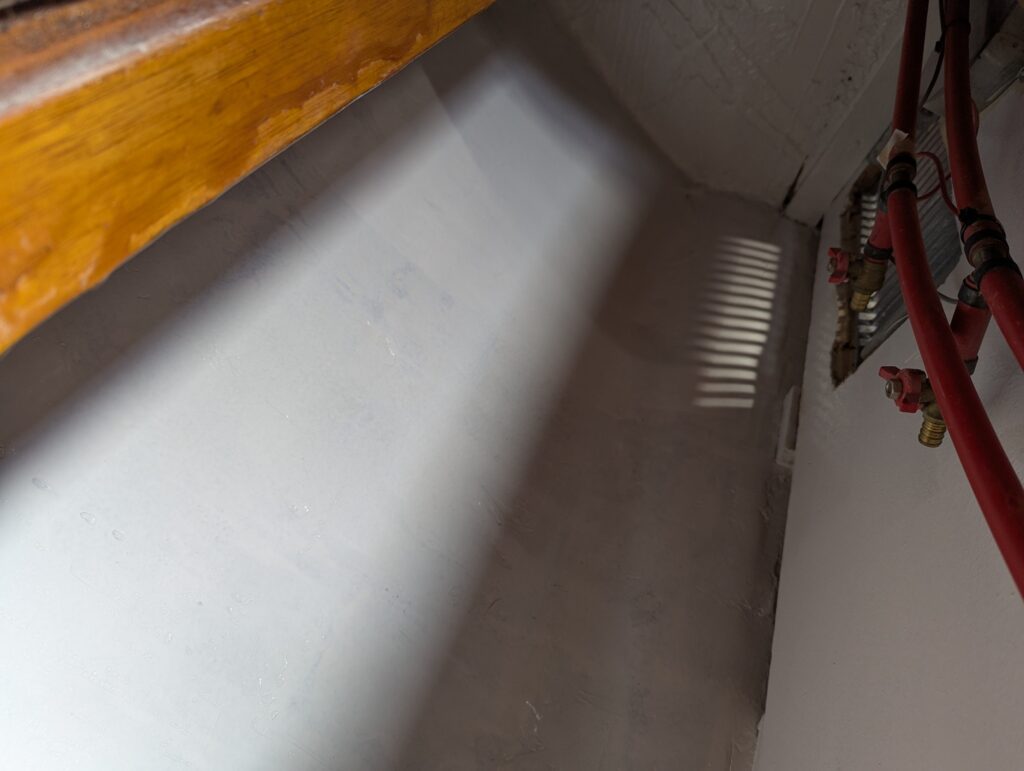
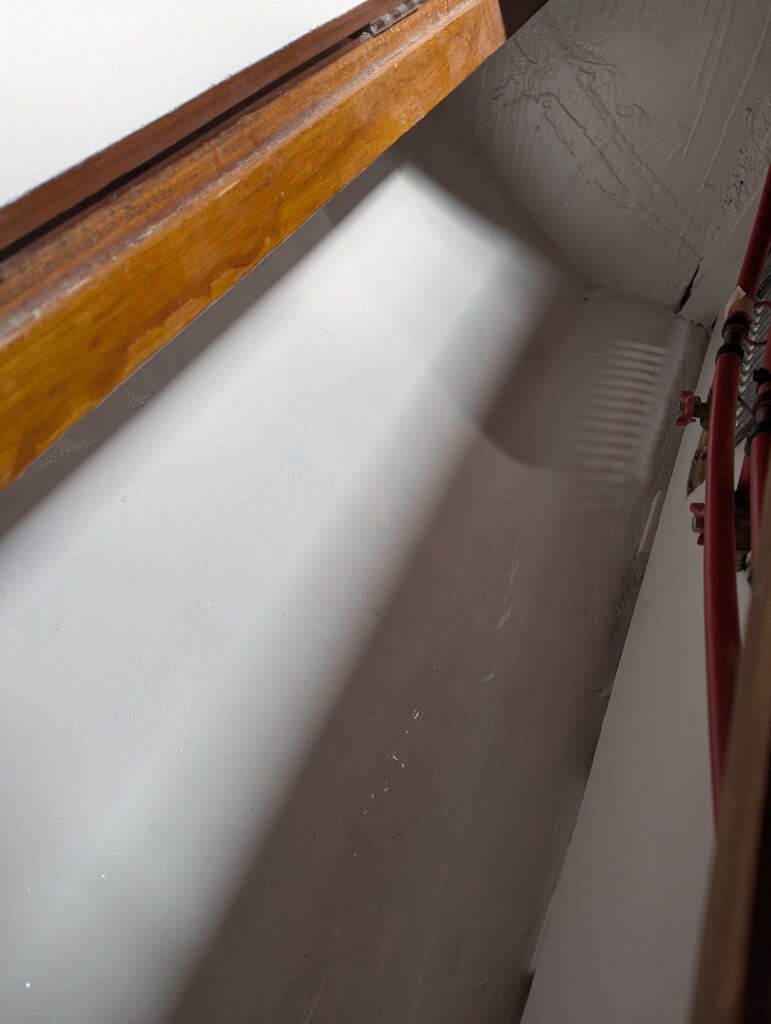
    After vacuuming as much of the dust as possible, and wiping down all surfaces with a acetone, a coat of white Interlux Bilgekote was applied. Bilgekote is an enamel paint designed to protect against water, oil and other contaminates from damaging the wood or fiberglass. The paint was applied using a wool roller wherever possible to achieve a consistent finish. In some of the nooks and crannies, it was necessary to use a brush. In these locations care was taken to apply the paint as smoothly as possible.

    It wasn’t possible to get coverage on every surface due to space restrictions, so we’ll need to revisit painting to touch-up those surfaces.

    Steps 5 Continued

    A quick stop aboard Isola Naida on 8 September provided the perfect opportunity to do some touch-up painting and apply a second coat of Bilgekote to the inside of the storage lockers. The previous coat didn’t provide great coverage in all areas, and some of the upper corners needed to be painted by hand.

    Step 6: Mounting & Wiring

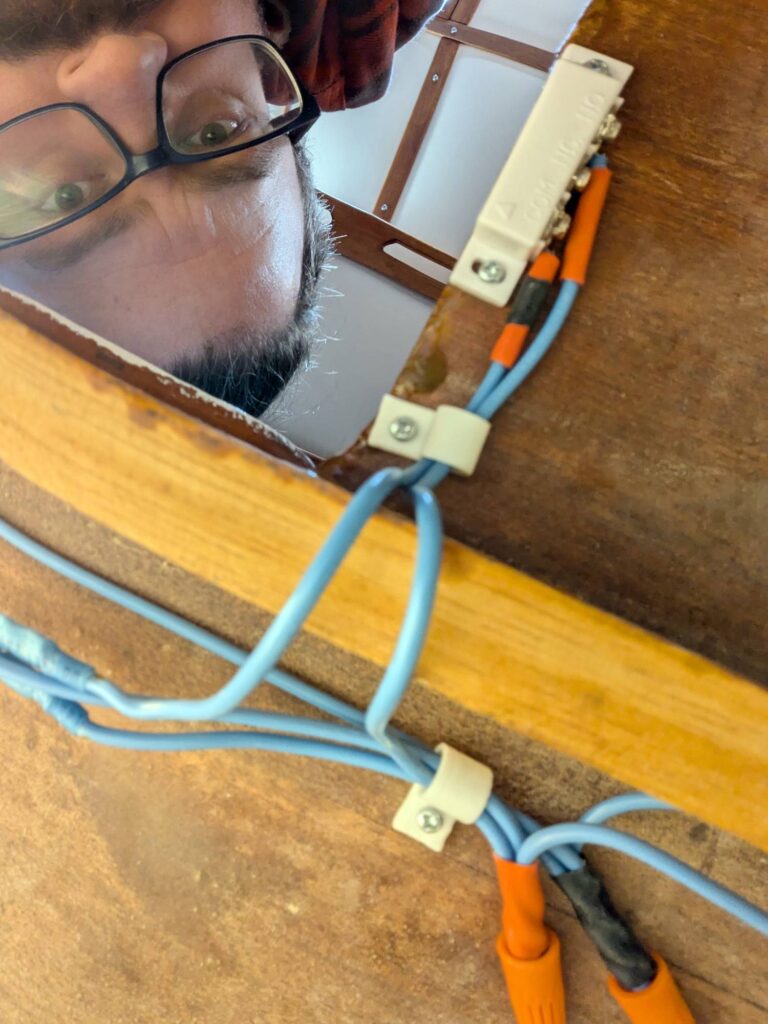
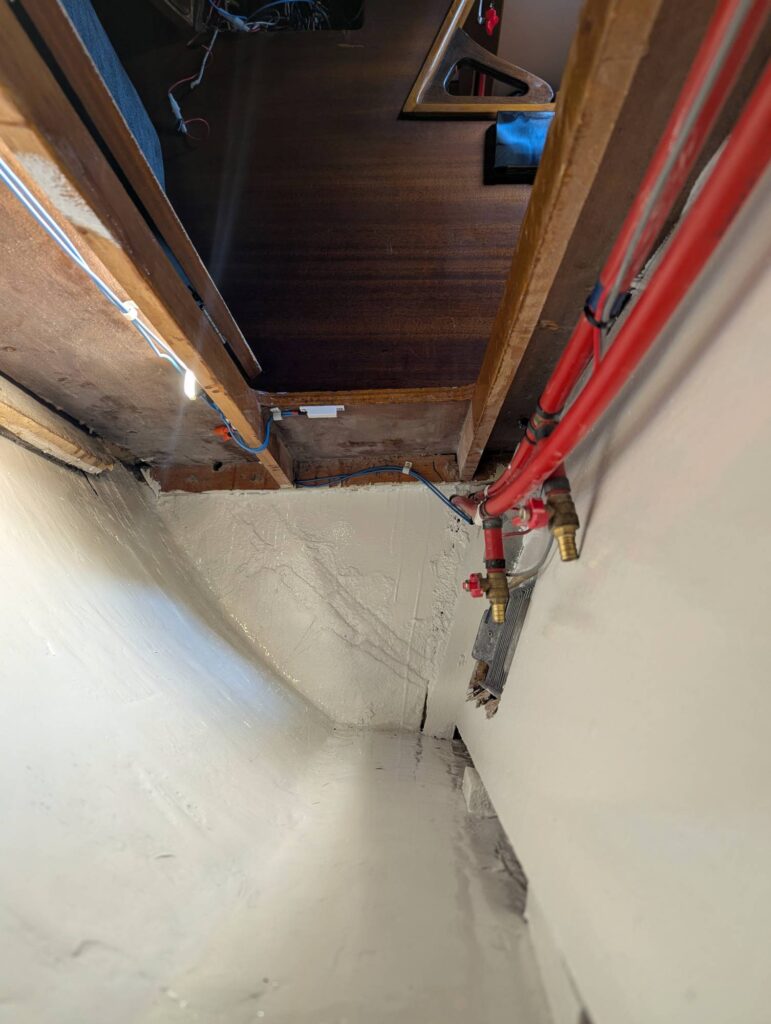
    It’s been a busy few weeks since we were last able to focus on this project. We were able to run the wiring from the electrical panel to the settee on a previous visit. We made as many wiring connections as we could during that visit. On 2 November, D’Arcy was back on Isola Naida to finish off the installation of the lights, magnetic reed switches, and do some cable management.

    The LED strip arrived with a connector wired to the leading end of the strip which made the first length of lights an easy installation. Heat-shrink wire connectors were used to connect the positive and negative leads to the magnetic read switch and the negative wire heading back to the panel.

    The smaller locker proved to be a bit more of an undertaking. We opted to solder directly to the LED strip instead of ordering strip connectors. It took more attempts that D’Arcy would like to admit, but eventually we had a working circuit. To help ensure that everything stays in place, we applied a spot of hot glue over the soldered connections and between the wires to both strengthen the connection and prevent leverage being applied to the soldered points. Finally, a piece of heat-shrink tubing was applied over everything; really solidifying the connection.

    The final step was to install everything to the underside of the settee. Small screws were used to hold the switches in place. The LED strip was stuck on using the 3M Adhesive backing (which we are expecting to fail in the future, at which point we will explore other solutions). For cable management, D’Arcy 3D printed cable clips to hold the wires in place. These were screwed in as necessary to tidy everything up.


    With that, the Starboard Settee Storage Project is complete! In the future, we’re hoping to add the same lighting feature to the Port Settee. Thanks for following along with this project. The next big project will be to patch our Caribe RHIB.